
🔑 Quick Answer: Italy is an excellent destination for families, with a mix of culture, food, and outdoor experiences that appeal to all ages. Focus on 2 to 3 regions, like Rome, Tuscany, or Florence, and plan a slower itinerary with hands-on activities, kid-friendly food, and plenty of downtime. Aim for 7 to 10 days and travel in spring or fall for the best balance of weather and crowds.
Key Takeaways
- Focus on fewer destinations for a smoother trip: Choose 2–3 regions—like Rome, Tuscany, or Florence—to minimize travel time and keep kids engaged.
- Build in hands-on, flexible experiences: Mix major sights with cooking classes, gelato stops, parks, and downtime so the trip feels fun rather than exhausting..
- Time your visit strategically: Travel in spring or fall for milder weather, fewer crowds, and a more relaxed experience across Italy.
Traveling to Italy with kids creates cognitive dissonance. As in, it sounds magical yet feels overwhelming. But, with planning and expert guidance, it can be magical. Italy is an ideal family travel destination because it offers history, culture, and food. It helps, too, that Italians love children, so families feel super welcome.
Whether you’re planning your first trip to Italy with kids or mapping out a multi-generational family vacation, this guide will help you decide the best place to visit based on age and interests. From Northern Italy’s lakes to Southern Italy’s Mediterranean coast, Italy offers dramatically different experiences.
At Salt & Wind Travel, we’ve spent over a decade designing custom family trips to Italy. Our team has lived in Italy and traveled extensively across the country with babies, small children, tweens, teens, and college-aged kids.
We don’t just know the postcard version of Italy, but the practical realities (ahem, cobblestone streets, long travel days, crowded high-season sites, late dinners, and logistical hiccups). Because we’ve experienced the good and the bad firsthand, we design family trips that are realistic and deeply rewarding for the entire family.
As a mom of two young kiddos and as someone who lived in Italy for 12 years (and now lives there part-time), I’ve experienced Italy with kids firsthand. I’ve traveled internationally with babies, navigated strollers on cobblestones, managed jet lag, and more.
Today, as an expert Italy travel planner, I’m often asked about traveling in Italy with kids. Parents want to know where to go, which destinations are best for specific ages, and whether Italy is truly as “kid-friendly” as everyone says. The short answer is yes, Italy is great for kids! But Italy looks very different depending on whether you’re traveling with toddlers, tweens, or teens.
The Best Places In Italy With Kids (By Age)
Each stage of childhood comes with unique needs, interests, and limitations. So, rather than suggesting a one-size-fits-all itinerary for traveling to Italy with kids, we’re sharing destinations that shine for toddlers, young kids, tweens, teens, and college-aged travelers. For each age group, I’m sharing recommended locations and key considerations.
| Age Group | Best Regions & Towns | Why It Works | Suggested Pace |
|---|---|---|---|
| Toddlers (1–3) | Lake Garda, Tuscany countryside, Umbria | Slow, green, and built for naps. Agriturismi with pools and lakeside towns mean short distances, flexible days, and no big-city logistics. | 7–10 days, 2 regions max, slow |
| Young Kids (4–7) | Florence, Venice, Emilia-Romagna (Parma or Modena) | Old enough for gelato-fueled sightseeing in walkable cities. Venice's boats and Emilia-Romagna's food and car museums turn "culture" into play. | 7–10 days, 2–3 regions |
| Tweens (8–12) | Rome, Pompeii & the Amalfi Coast, Bologna | Ready for the big-hitters. Gladiators and a buried city make history land; pair a marquee city with coastline for downtime. | 8–10 days, 2–3 regions, mix city + coast |
| Teens (13–17) | Milan, Amalfi Coast, Florence | Design, fashion, football, and beach clubs. Give them a little independence and scenery worth posting. | 8–12 days, 2–3 regions |
| College-Aged (18–22) | Bologna, Puglia, Sicily | Food, aperitivo, and off-the-postcard regions. Nightlife and beaches over blockbuster museums. | 10–14 days, up to 3 regions, faster pace OK |
Where To Travel In Italy With Toddlers (Ages 1–3)
In my experience, traveling in Italy with toddlers is all about simplicity and predictability. I lived in Italy full-time until my daughter was almost three, and I learned a great deal about raising a toddler there.
At this age, children won’t remember iconic landmarks, but they will remember whether they felt comfortable and well-rested. The best destinations for toddlers in Italy minimize long transit days, offer outdoor space, and allow families to settle into a routine. Our best trips with our daughter were those that moved at a slow pace and let her stick to her usual routine while still having fun.
Lake Garda
Lake Garda is one of the most toddler-friendly destinations in all of Italy. Many of the towns along the southern and eastern shores, such as Bardolino, Lazise, Sirmione, and Desenzano, are flat, stroller-friendly, and built around lakeside promenades where toddlers can walk safely without traffic. Ferry rides across the lake double as entertainment, giving little ones something to watch while parents enjoy the scenery.
Hotels around Lake Garda are exceptionally well set up for families, often offering large family rooms, pools with shallow areas, green lawns, and onsite restaurants. This allows parents to structure days around naps and early bedtimes without sacrificing comfort or convenience.
Additionally, Lake Garda has Gardaland, which is an amusement park. While not geared towards toddlers per se, there are tons to do there for little ones and older siblings. There is also a Gardaland Hotel, which is similar to staying at a Disney resort. While Italy isn’t known for large-scale theme parks like the U.S., options such as Gardaland (near Lake Garda) and smaller regional parks offer a fun, full-day break from museums — especially on a longer family vacation.
Tuscany Countryside
Staying at an agriturismo (farm stay) in the Tuscan countryside is ideal for families with toddlers. Rather than moving between cities, you can choose one countryside base and take short, low-pressure day trips when energy allows. Many agriturismi offer animals, gardens, and enclosed outdoor areas where toddlers can roam safely, as well as onsite dining that eliminates the need to go out every evening.
This accommodation also allows you to experience Italy’s slower rhythm, which aligns naturally with toddler travel. One of our favorites is Fattoria Poggio Alloro, which has a working farm, tons of animals, wine tastings, and dining, all just 3 miles from the charming Tuscan town of San Gimignano.
Umbria
Umbria offers a quieter alternative to Tuscany, but with the same rolling hills and charming towns. With fewer crowds and a slower pace, destinations like Perugia or the Umbrian countryside make it easier to manage daily routines. Renting a car and staying in one location allows families to avoid frequent transitions, which can be especially challenging at this age.
Umbria is called the green heart of Italy, so it’s great for nature-loving families who want to enjoy the great outdoors. We love this large accommodation outside of Spello. It’s perfect for big groups and just a quick drive from so many wonderful towns, sites, and more to explore. Central Italy, especially Tuscany and Umbria, offers the ideal balance of space, scenery, and manageable travel time for families with small children.
Things to Consider
Cobblestones, stairs, and a lack of elevators are commonplace, which can make traveling with a toddler challenging.
- Lightweight strollers or carriers are essential, and know that high chairs are not always available in all dining establishments. Planning downtime each day is critical to avoid overstimulation and not to feel rushed.
- Staying outside a city center can work well; for these reasons, only visiting the cities at times that are convenient, not spending all your time there.
- Also, it’s important to consider the weather since babies and toddlers are sensitive to heat and cold. Avoiding the hottest or coldest times of day (perfect time to take a nap) will help you enjoy a stress-free trip.
Where To Travel In Italy With Young Kids (Ages 4–7)
Young kids are curious, imaginative, and energetic, but still benefit from structure and shorter activity blocks. At this stage, Italy becomes more interactive. Kids can walk longer distances, follow simple historical stories, and delight in the visuals. The best destinations feel compact, engaging, and not overly rushed.
This is my current age group, and I love how my kids experience Italy at this age. I feel like they can handle activities like castle tours, finally, but aren’t so big that they’d complain if I take them to my favorite places.
Florence
Florence is an excellent choice for young kids because of its manageable size, walkability, and the various things to do. Major sights are close together, reducing long transit times, and the city’s wide piazzas offer natural breaks between cultural stops. Interactive museums like the Leonardo da Vinci Museum allow children to touch and experiment rather than just observe, which keeps them engaged.
For a first-time family trip, Florence offers access to major UNESCO World Heritage Sites in a compact footprint, making it possible to see the top things without exhausting the entire family.
Florence is also ideal for balancing culture with treats; gelato shops are plentiful, and a single museum visit can easily be paired with time outdoors or floating along the Arno River. Additionally, there is a merry-go-round right in the center of Piazza della Repubblica, which is fun for kids of all ages, especially this age group. My kids would have spent all day just in that piazza if it had let them. We like apartment stays in Florence so we can rest, cook, etc., as needed.
Bonus: Just an hour from Florence is the Tuscan beach town of Viareggio. It’s where our summer home is, it’s one of the most kid-friendly places in Italy, and fabulous for a day trip or a week-long stay.
It has long sandy beaches, miles and miles of boardwalk perfect for renting bikes, walking, or scootering, plus a pine forest that is full of kids’ carnival-like games, including bumper cars, bounce houses, trampolines, pony rides, trains, mini golf, and more. It’s genuinely a great place for all ages, from babies to teens to adults.
Venice
For young kids, Venice feels like stepping into a storybook. The absence of cars makes it safer and more peaceful than many cities, and getting around by boat feels like an adventure. Crossing bridges, watching gondolas, and riding the vaporetto (water taxi) provide constant stimulation without requiring formal activities.
Visiting Piazza San Marco early in the morning is the best way to enjoy it without long lines or heavy crowds. The city’s narrow streets and bridges require patience with small children, but the car-free environment is a great safety benefit. Staying in quieter neighborhoods such as Cannaregio helps families avoid the heaviest crowds while still enjoying easy access to major sights. The Grand Canal is great for hanging out and watching the boats go by, and it is easy to get to right out of the train station.
One thing to consider in Venice, though, for those with young children, is that there aren’t many railings. If your kid is prone to wandering or likes to dart off, maybe wait until they are older. It can be stressful to track your kiddo at the edge of a canal, especially if they can’t swim. Venice might be best for ages 5+, but it still makes the list because there are so many great places to visit. The Hilton Molino Stucky is particularly great for families because of its pool, children’s experience option, and on-site childcare.
Bonus: If you’re nervous about the canals but still want recommendations for places near water, consider the Cinque Terre. It’s in Liguria, relatively easy to reach by train, and it still offers much of the boat fun you get in Venice. You can move between towns by water, and visit other locations like Pisa and Lucca (in Tuscany, not Liguria) fairly easily by train as well.
Emilia-Romagna (Parma or Modena)
This region is especially well-suited to young kids thanks to its mostly flat terrain, walkable historic centers, and strong food culture. Visiting a Parmesan cheese producer or seeing how traditional balsamic vinegar is made offers hands-on learning that feels fun rather than educational. Meals tend to be relaxed and family-friendly, making dining out with children easier.
Things to Consider
Crowds can be overwhelming in peak season, particularly in Venice. Plus, the canals can be dangerous for more rambunctious kids. Museums may still feel long, so limiting sightseeing to one main activity per day helps prevent burnout. Keep in mind hotels that have pools or green space so you can let the kids play without structure for a bit.
Traveling in Italy with Tweens (Ages 8–12)
Tweens are the perfect age for Italy! They’re old enough to appreciate history yet still excited by discovery and adventure. They enjoy destinations where stories feel dramatic, experiences feel immersive, and days offer variety. They can also handle longer days and longer, leisurely dinners.
Rome
Rome is a standout destination for tweens because history feels tangible and exciting. Gladiators, emperors, underground ruins, and massive monuments spark curiosity in ways textbooks never can. Sites like the Colosseum, the Vatican, the Sistine Chapel, the Forum, and the catacombs feel like real-life adventures, especially when paired with kid-friendly guided tours. Rome also offers frequent breaks from sightseeing, with piazzas, fountains, and gelato stops built naturally into the city’s layout.
If you stay in an apartment rental in the city center, you can experience the best of Rome, while having the conveniences of a home base that feels more like a home as well. Exploring Ancient Rome through the Colosseum, Palatine Hill, and Roman Forum makes history feel alive. A kid-focused guided tour is a great way to keep tweens engaged while minimizing long lines. Don’t miss tossing a coin into the Trevi Fountain or visiting Vatican City; both are unforgettable highlights of a family trip to Italy.
Pompeii and the Amalfi Coast
Pompeii is often one of the most memorable experiences for tweens. Walking through preserved streets, homes, and public buildings makes ancient life feel real and relatable. I highly recommend hiring a guide in Pompeii as it makes the whole experience that much richer and more exciting. Pairing Pompeii with time on the Amalfi Coast adds balance, beach days, boat rides, and swimming provide physical outlets after cultural exploration.
Bologna
Bologna is an ideal city for tweens who enjoy food, independence, and exploration. Its portico-lined streets make walking comfortable in any weather, and the city’s strong culinary identity offers engaging experiences such as cooking classes and market visits. Bologna also feels youthful and approachable, which helps tweens feel confident navigating the city. It’s a university city, so the crowd tends to lean towards late teens and early twenties, giving it a youthful vibe.
Things to Consider
Summer heat can be intense, particularly in Rome and Pompeii. Planning early starts and midday breaks is essential. It’s a good idea to still plan for family-friendly hotels that offer some places to spend downtime, because even kids this age need time to relax and replenish.
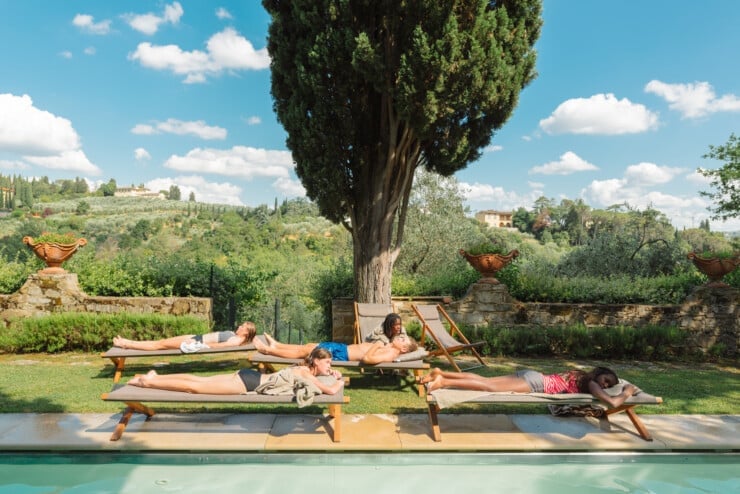
Traveling to Italy with Teens (Ages 13–17)
Teens want destinations that feel authentic, visually interesting, and flexible enough to allow independence. At this stage, Italy works best when parents shift from “tour guide” to “facilitator,” allowing teens space to explore while still sharing meaningful experiences together. Some cities lend themselves more to this type of approach than others.
Milan
Milan is especially appealing to teens interested in fashion, design, sports, or modern culture. The city feels fast-paced and contemporary, offering a contrast to Italy’s historic centers. Teens enjoy exploring shopping districts, visiting San Siro Stadium, and experiencing a more cosmopolitan side of Italy. Bonus: Consider day trips to the Ferrari museum, FIAT, or Maserati factories for the car lover!
Amalfi Coast
The Amalfi Coast delivers the dramatic scenery teens love, along with beaches, boat trips, and a relaxed but lively atmosphere. Towns like Positano and Amalfi offer opportunities for independence while still feeling safe and small. The combination of natural beauty and social energy makes this region particularly appealing at this age.
Florence
Florence works well for teens when approached through their interests, such as art, photography, fashion, or food. Experiences like climbing the Duomo, taking a street food tour, or exploring artisan workshops help teens connect more personally with the city rather than viewing it as a classroom.
Things to Consider
Crowds and high costs in popular destinations can be challenging.
- Building in free time is key to keeping teens engaged rather than overwhelmed.
- Italy is generally safe, but keep in mind where you are before letting teens explore on their own, especially if they don’t speak Italian.
- Milan has some areas that are less than ideal for exploration, so structured independence is preferable to unregulated free time.
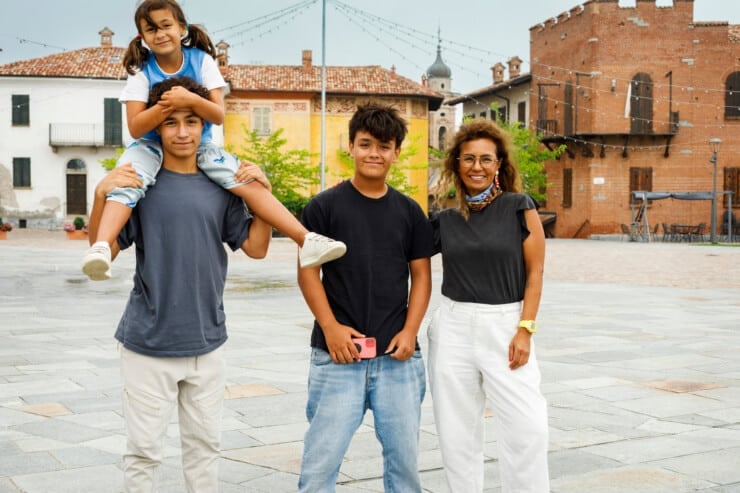
Traveling to Italy with College-Aged Kids (Ages 18–22)
College-aged travelers are ready for deeper cultural immersion and faster-paced travel. Italy becomes less about logistics and more about experiencing food, nightlife, history, and local culture.
Bologna
Bologna is one of the best cities in Italy for young adults. Its vibrant student population creates an energetic social scene, while its food culture offers endless opportunities for exploration. Cooking classes, wine tastings, and late-night dinners feel natural here, and the city remains compact and walkable.
The drinking age in Italy is 18, so your 18-year-old can get a real taste (literally and figuratively) for the rich wine culture around Bologna, even enjoying wine tastings. We love Leonardi for the balsamic and their Lambrusco wine tasting. It is a perfect place to take college-aged kids.
Puglia
Puglia appeals to college-aged travelers with its mix of beaches, charming towns, and lively nightlife. Places like Polignano a Mare and Monopoli combine beautiful scenery with a fun bar scene, making them ideal for travelers who want both relaxation and social experiences. Since Puglia can be harder to get to and requires longer travel days, this is a great age to explore this region, since older teens can handle the extra time for arrival.
Sicily
Sicily offers an unmatched variety for young adults: ancient ruins, bustling markets, beaches, hiking, and vibrant nightlife. Cities like Palermo and Catania feel raw and authentic, rewarding travelers who want to dig deeper into Italy’s cultural complexity. This can also be more challenging to arrive at, depending on where you come from. Since the 18-22 age is very resilient, why not travel farther and longer to explore some places you haven’t considered before?
Things to Consider
Later nights and packed schedules can lead to fatigue.
- Balancing independence with shared family experiences ensures the trip remains meaningful for everyone.
- If your kids want to experience nightlife, consider setting clear rules and expectations about drinking, driving, etc., before they head out. Some 18-year-olds are responsible, and some get a little too carried away with the newfound alcohol freedom, so it’s a good idea to talk about it before your trip.

8 Additional Things to Consider When Traveling in Italy with Kids
Traveling in Italy with kids can be extraordinary, but it helps to go in with realistic expectations and an understanding of how Italy works day to day. These are some of the most important things families should keep in mind.
Best Time to Visit Italy with Kids
We’re often asked when to visit Italy with kids. Of course, school schedules have to be accomodatated but here are our thoughts:
- The best time for a family holiday in Italy is typically late April–June and September–October.
- The summer months (especially July and August) are considered high season, with heat, crowds, and long lines at major historical sites.
- Winter can work well in Northern Italy, especially for ski trips in the Dolomites and Italian Alps, where outdoor activities and fresh air balance sightseeing.
Jet Lag and Arrival Days
Jet lag often hits children harder than adults, especially younger kids who may wake extremely early or struggle with late afternoons. Planning a very light arrival day or even two can make a huge difference. Parks, casual walks, and early dinners are far better than trying to “push through” major sightseeing on day one.
Traveling with little ones? Learn how to help kids with jet lag with practical, parent-tested tips that make adjusting to a new time zone easier for the whole family.
Italy Runs on a Different Schedule
Italian daily rhythms are later and slower than many families are used to. Lunch often starts after 1:00 pm, and dinner rarely begins before 7:30 or 8:00 pm.
Shops may close for several hours midday, especially outside major cities. Families who adapt by having larger breakfasts, extra snacks, gelato breaks, or early-evening aperitivo-style meals tend to feel far less stressed.
Public Transportation with Kids
The Italian trains are excellent, but stations aren’t always intuitive. Elevators may be small or nonexistent; platforms can be crowded; and boarding can be quick.
Traveling light is one of the most important gifts you can give yourself. On local buses and metros, strollers may need to be folded, and seating isn’t guaranteed during busy hours.
Walking Distances Add Up
Italy is very walkable, but that can be deceptive. Days often involve far more walking than families expect, especially in cities like Rome or Florence.
Comfortable shoes, frequent breaks, and realistic daily plans are essential. Scheduling one main activity per day instead of three often leads to happier kids and better memories.
Accommodations Matter More Than You Think
Where you stay has an outsized impact when traveling to Italy with kids. Central locations reduce transit fatigue, while apartments or family rooms provide space to decompress.
Properties with elevators, air conditioning, and soundproofing are especially valuable. For countryside stays, having on-site dining, outdoor space, and a pool can transform the experience from just OK to downright dreamy.
Museums and Sightseeing Need to Be Curated
Italy’s cultural density is unmatched, but kids don’t need to see everything. Choosing a few meaningful sites and spending time with them is far better than rushing through multiple museums. Guided tours tailored to families’ or kids’ interests often make the difference between boredom and fascination. Picking your guide wisely is crucial here!
Flexibility Is the Secret Ingredient
No matter how well you plan, something will go differently than expected. Things like weather, energy levels, crowds, and moods can change at any time. Building flexibility into your itinerary allows you to pivot without frustration.
Often, the most memorable moments come from unplanned experiences such as finding a neighborhood festival, a spontaneous swim, or a long lunch that turns into an afternoon.
When families understand these realities and plan accordingly, traveling Italy with kids becomes not just manageable but deeply rewarding. With thoughtful pacing, the right destinations, and a willingness to embrace Italy as it is, families often find that Italy isn’t just a great trip; it’s a place their kids love and dream of returning to.
Planning the right pacing, building in rest days, and choosing destinations that align with your children’s developmental stage are the best ways to ensure a great time. Whether it’s your first trip or your fifth family holiday to Italy, thoughtful planning makes all the difference.
If you’re mapping out a bigger adventure, our guide to planning a family trip to Europe breaks down the best countries for kids, when to go, and how to pace it.
Where to Stay and Eat With Kids, Region by Region
A trip is only as good as where you sleep and where you eat, and with kids, the bar is higher. Working our way from north to south down the country, here’s one family-tested stay and one easy, welcoming table in each region, chosen for space, pools, walkability, or a menu even a picky eater will approve of.
Milan
- Stay: Hotel Principe di Savoia, the penthouse pool is the real draw in a dense city short on family hotels with space.
- Eat: Ratanà, traditional Milanese cooking in a relaxed setting with a garden beside the park.
Venice
- Stay: Hilton Molino Stucky, a converted flour mill on Giudecca with the rare Venetian luxury of a rooftop pool, roomy family accommodations, and a free shuttle boat to San Marco.
- Eat: Al Covo, a warm, family-run classic near San Marco known for pristine Venetian seafood and famously welcoming hosts.
Bologna
- Stay: Art Hotel Orologio, right by Piazza Maggiore and set up to handle the practicalities of arriving by car in a restricted-traffic city.
- Eat: Trattoria Da Serghei, an old-school family-run trattoria for the tagliatelle al ragù and tortellini Bologna does best.
Liguria
- Stay: Grand Hotel Miramare in Santa Margherita Ligure, with large seafront grounds, standout service, and Portofino a short boat ride away.
- Eat: Trattoria da Pezzi, a casual, canteen-style spot for pesto trofie, farinata, and fried fish, cheap and easy with kids.
Florence
- Stay: Il Salviatino, a hillside villa in Fiesole that is not central, but with the space and calm that make a city trip with kids survivable.
- Eat: Trattoria Garga, a beloved, art-filled Florentine institution where the handmade pastas, including the famous lemon-cream tagliolini, win over adults and kids alike.
Rome
- Stay: Villa Agrippina Gran Meliá, set just outside the historic core with a big garden pool to burn off energy after a morning of ruins.
- Eat: Emma Pizzeria, proper Roman-style pizza near the Jewish Ghetto.
Amalfi Coast
- Stay: Anantara Convento di Amalfi, a former 13th-century monastery with cloister gardens, real space, and a pool.
- Eat: O’Parrucchiano La Favorita in Sorrento, serving classic Neapolitan pasta since 1868, in a lush lemon grove garden kids love to wander through.
Puglia
- Stay: Masseria Torre Coccaro, a traditional masseria with beach-club access, a spa, and gardens.
- Eat: 20m² in Monopoli, a family favorite built for exactly this crowd: pizza, burgers, and pasta with plenty of customizable options.
Frequently Asked Questions About Traveling To Italy With Kids
Italy is genuinely one of the most kid-friendly countries in Europe, but in a cultural way rather than a convenience-driven way. Italians love children and expect them to be part of daily life.
Kids are welcomed in restaurants, cafés, and public spaces, even late in the evening. That said, “kid-friendly” doesn’t always mean changing infrastructure to suit families.
For example, playgrounds may be sparse in city centers, and restaurants won’t necessarily offer kids’ menus. Families who embrace Italian rhythms rather than expecting American-style accommodations tend to have the best experiences.
I love how Italy treats my kids when we’re there, but I usually can’t wait to get home to our playgrounds and overall conveniences as well. If you keep in mind that Italy won’t necessarily be convenient, but it will be welcoming, it will help with expectations.
Italy can be challenging for strollers, especially in historic cities. Cobblestones, stairs, narrow sidewalks, and a lack of elevators are common. That doesn’t mean strollers are impossible, but they need to be chosen carefully.
Lightweight, compact strollers or baby carriers are far more practical than full-size travel systems. Trains are manageable with strollers, but stations often require carrying them up or down stairs, so keep that in mind, especially if you’re solo with kids or have multiple children.
Italy’s train system is excellent and generally the best option for families. High-speed trains are comfortable, efficient, and much less stressful than driving between major cities. Kids also often travel for free with a paid adult, making it more economical.
However, travel days can still be tiring for kids, especially when combined with hotel changes. In my experience as a travel planner and as a mom, fewer bases and longer stays tend to work far better than hopping from city to city every night.
Often yes. While many museums offer free or discounted entry for children (especially under 18), tickets still need to be reserved in advance for popular sites such as the Colosseum, the Vatican Museums, and the Uffizi Gallery. Skip-the-line tickets or guided tours are especially valuable with kids, as long waits can quickly derail the day. Consider hiring a guide who specializes in kids tours as well. They can make your experience fun instead of boring and can engage the little ones in ways you never imagined.
Generally, yes. Plain pasta (called pasta in bianco, which is served with just oil and Parmesan), pizza, risotto, grilled meats, and potatoes are widely available, and restaurants are usually happy to accommodate simple requests.
That said, Italian menus don’t revolve around children, so flexibility helps. Ordering half portions, sharing dishes, or sticking with familiar staples early in the trip can make mealtimes smoother.
I will also add that food allergies can be tricky in Italy, so if you have those as well, consider working with an expert. My son has food allergies, and truthfully, it can be a challenge, but it is also doable with the right knowledge.
There’s no single “best” age; Italy works beautifully at different stages for different reasons. Toddlers benefit from the slower pace and outdoor lifestyle, while tweens and teens connect deeply with the history and culture. The key is choosing destinations and pacing that align with your children’s developmental stage and their interests. Your fashion-loving 16-year-old, for example, may think Milan is the best place ever, while a 2-year-old would do much better in a countryside setting outside of Florence.

Tips for Visiting Italian Beach Clubs Like a Local
If you’re traveling to Italy with kids in the summertime, you should add a visit to an Italian beach club to your bucket list. Here are tips for doing it like a local!
Kid-Friendly Recipes Inspired By Italy
Not heading to Italy quite yet? Here are a few of our favorite classic Italian recipes to make at home to stoke your wanderlust:

Italy Travel Guide
Are you considering traveling to Italy in real life? Check out our complimentary Italy Travel Guide for our best travel tips, recipes, and articles.
Have Us Plan Your Italy Trip
Did you know we’re also a boutique travel agency specializing in Italy travel planning? If you’re looking to plan one of the best trips to Italy, our Italy vacation planner services are here to help you plan your perfect itinerary.


