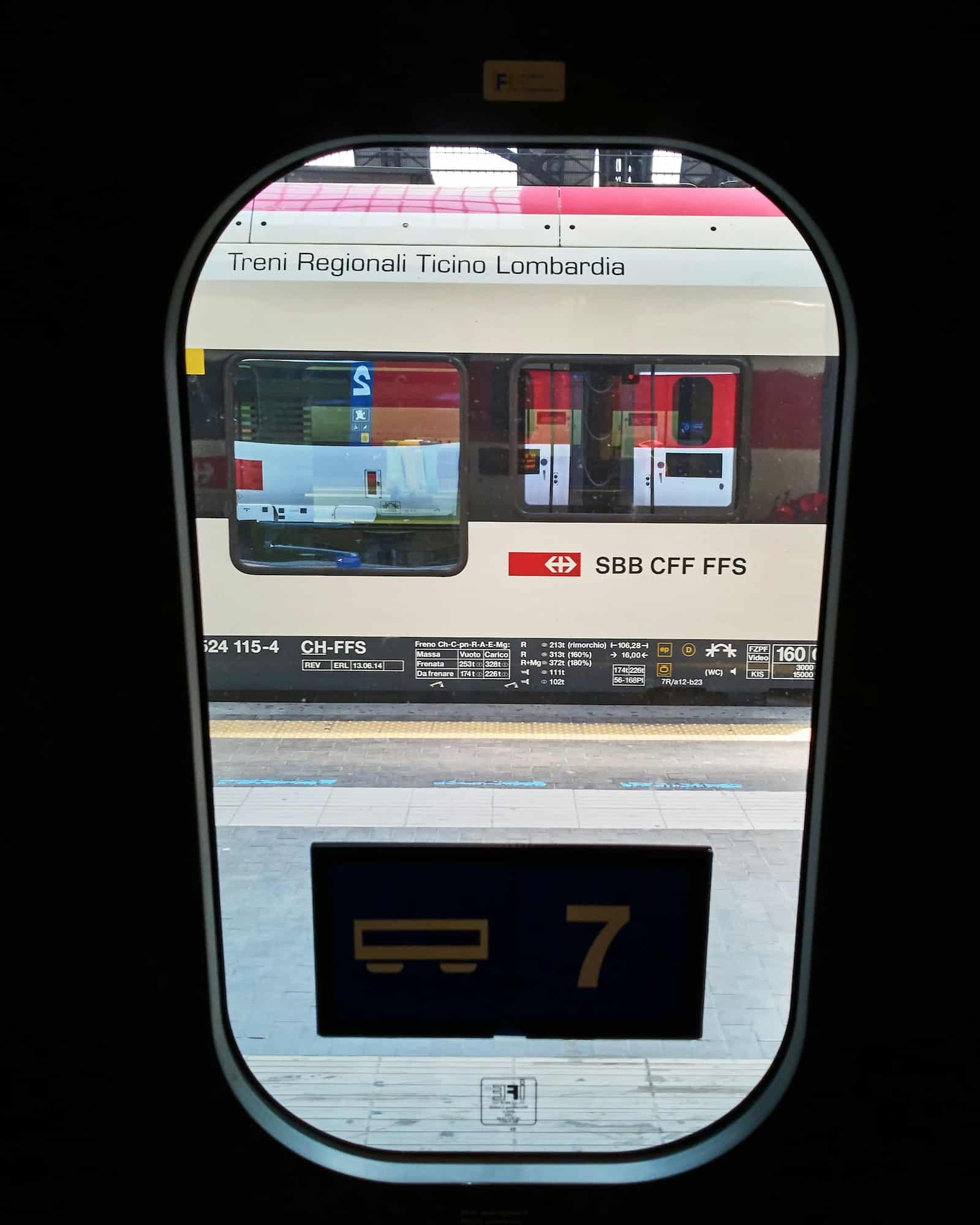
Every traveler should experience traveling on trains in Italy at least once. During the more than 12 years I have lived in Italy, train travel was my favorite mode of transport. And what’s not to love?
Key Takeaways
- Train travel is the best way to see Italy — It’s fast, safe, scenic, and often cheaper than driving or flying between major cities. Plus, some destinations like Venice and Cinque Terre are only accessible by train.
- There are two main train operators: the national Trenitalia and the private Italo Treno. Both offer high-speed options that connect major cities, while Trenitalia also runs Intercity and regional lines for slower, local travel.
- Book tickets in advance — Prices rise with demand, and high-speed routes can sell out. It’s best to compare schedules on Trainline but book directly through Trenitalia or Italo’s official sites to avoid extra fees or complications during strikes or changes
You can nap, eat, read, and watch TV while passing through jaw-dropping landscapes. There is also no traffic; it’s less stressful than driving in Italy, and generally a safe way to travel. Oh, and it’s often the fastest and most economical form of transport.
However, traveling by train in a foreign country can intimidate many Americans. Luckily, trains in Italy are easy to navigate. From kids heading to school to nonni (grandparents) visiting relatives, all Italians take trains, and you can too with this simple guide.
From which type of train to take and the difference between Italo and Trenitalia to when you need Italian train reservations, we’ve got you covered.
Here at Salt & Wind Travel, we’ve specialized in Italy vacation planning for over a decade, so we’ve helped clients with how to get around in Italy, including via train.
Top Reasons To Take Trains in Italy
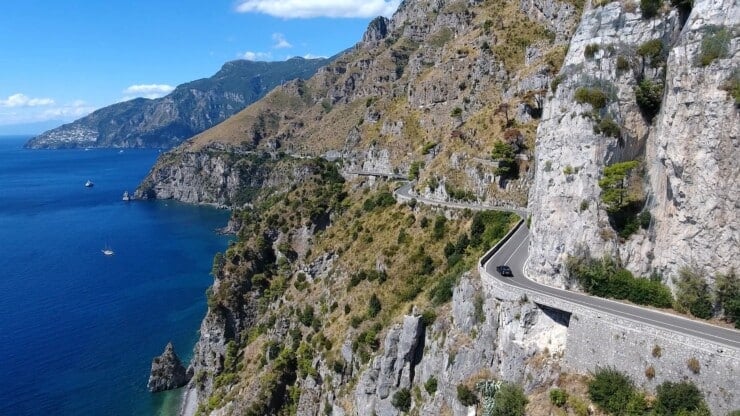
If train travel gives you anxiety, you may be tempted to skip it when traveling to Italy. But that would be a mistake. First, some places, like Cinque Terre and Venice, can’t be accessed by car.
Second, traveling by train through the country is scenic and relaxing. In fact, between major Italian cities, train travel can be quicker than driving. For example, it’s at least 3 hours to drive from Florence to Rome, while it’s only 90 minutes via high-speed train.
Types of Trains In Italy
Begin by familiarizing yourself with the various types of trains in Italy.
Trenitalia vs. Italo
Most trains are run by the national train operator known as Trenitalia. However, the privately owned Italo also runs high-speed trains between Turin, Milan, Verona, Venice, Bologna, Rome, Naples, and Sorrento.
Alta Velocità (AV)
Translating to “high speed,” the Alta Velocità (“al-tah, veh-loh-chee-tah”) trains travel up to 300 km/h and connect the major cities. The high-speed trains run by Trenitalia are known as (Le Frecce), while all Italo trains are high-speed.
Intercity (IC)
These regional trains, operated by Trenitalia, are typically used for travel between cities within the same region. They are slower than the high-speed trains but not as slow as regional trains.
They don’t always have AC, so remember that during the summer. While seat reservations are available, they usually have bathrooms, but often do not have a food and beverage car.
Regionale
Regional trains stop at every station and go by the following names: Interregionale (Interregional) (IR), Diretto (Direct) (D), or Espresso (Express) (E).
What Is The Difference Between Italo and Trenitalia?
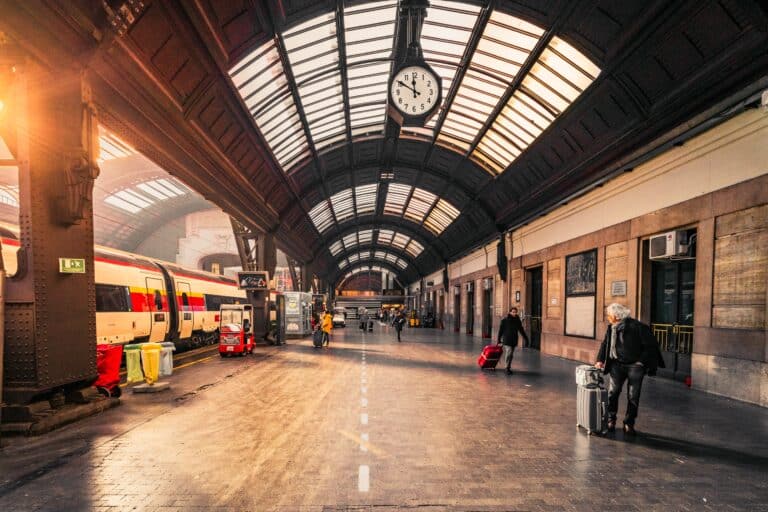
High-speed trains in Italy are a reliable means of transport and are the most frequently used by our travel clients. Operated by Trenitalia and Italo Treno, they connect the country’s major cities.
Le Frecce
The high-speed Trenitalia trains are called “Le Frecce” (lay, fre-chay) and come in different models, indicated by their color. There is frecciarossa (red), frecciargento (silver), and frecciabianca (white) but unless you’re interested in train engineering, don’t mind the colors. All you need to know is that if you want a high-speed train, look for “Freccia” in the description.
The website to book a Trenitalia Freccia train provides options for slower trains for your selected trip, so you can browse all viable options. The slower trains usually cost less, so they are a good choice for those who aren’t in a rush and want to save.
Italo Treno
Unlike Trenitalia, Italo Treno only runs high-speed trains. Service and quality are very similar between them, so the choice usually comes down to convenience. Trenitalia and Italo offer different hours, stops, etc., so it is usually worth checking both before deciding on one. You can book Italo trains here.
What Is Included On High-Speed Trains In Italy?
All high-speed trains in Italy come with the same basic features. These include reserved seating, luggage racks, climate control, complimentary WiFi, food and beverage services with snacks and meals, and a variety of classes (from economy to business to first class).
High-Speed Train Levels of Service and Ticket Options
Let’s explore your ticket options if you’re ready to book a train.
Trenitalia Ticket Options
On the Trenitalia website, you will find many train ticket options. While most people will buy according to their budget, let’s review the major types of tickets you will see. Trenitlia trains have three classes they are:
- Standard: This is where you will find the base fares.
- Premium: Aside from standard, it includes larger chairs, more leg room, and usually free snacks and beverages.
- Executive: This option offers the highest level of comfort, features extra space, reclining chairs, and usually includes a complimentary wine or Prosecco selection brought to your seat.
In the base (basic) fares on Trenitalia, you will find:
- Economy
- Super Economy
- Offerta senior (for people 60 and older and ALSO holders of FrecciaCard)
- Famiglia (Family)
- Bimbi gratis (Kids travel free – for children up to 14 years of age)
- Insieme (Together fares for small groups between 3-5 people)
- Andata e ritorno in giornata (Return trip on the same day, these are sometimes sold with steep discounts)
- Weekend fare (Going on Saturday, Returning on Sunday)
You can read more about them and their terms and conditions directly on the Trenitalia site. Pro tip: If all the details and options are stressful for you, don’t worry. The train will take you to where you want to be, so select the fare that makes the most sense for you based on your timing and budget.
Italo Treno Fare Options
Italo offers the following different levels of travel:
- Ambiance Smart: (Second class) Entry level, coach, very basic
- Ambiance Prima: A step up from coach and includes snack options and more leg room
- Club Executive: (First-class ticket) The highest comfort level includes pre-boarding and lounge access while waiting for the train, plus seats feature built-in monitors.
You will find options similar to Trenitalia within each service level. As such, we suggest booking your travel based on the available promotions or the level of service you prefer when traveling.
So Which Train Company Should I Book With?
Trenitalia and Italo are competitors, so they have different offerings. To compare the two, head to the third-party website The Trainline. Enter your travel details, and it will pull up all options across both companies.
We don’t recommend booking through their service as it may incur a service fee. Plus, if you need to change your tickets or miss a train, it will make matters more complicated. Instead, use this site to choose you best train option and then once you’ve identified it, head directly to that train’s website to book.
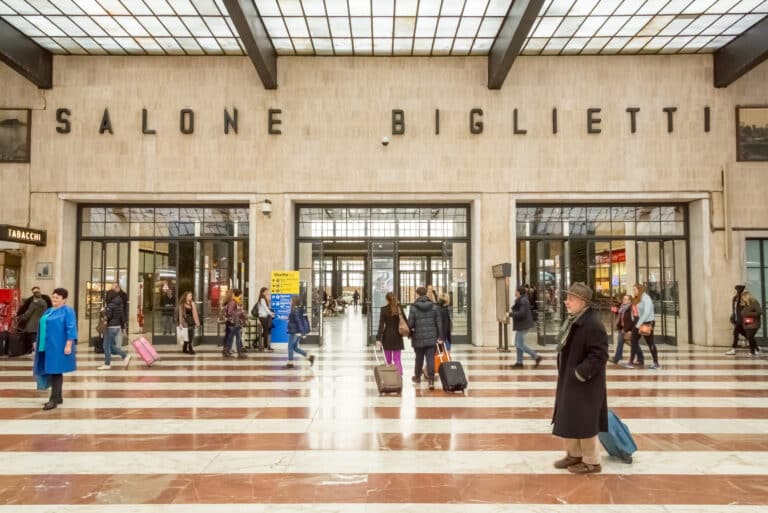
When You Need Italian Train Reservations
A common question from our Italy travel clients is, “Is it cheaper to buy train tickets in advance or on the day in Italy?” We strongly recommend buying tickets in advance for the following reasons:
Ticket Prices Are Based On Demand
Train ticket prices are based on demand, so waiting until the last minute will often result in a more expensive fare. Also, seating is limited, so high-speed trains can sell out quickly.
Booking Ahead Is More Flexible
If you want to change your ticket, you can book ahead and select a ticket that allows for refunds and changes. Much like when booking a plane ticket, if you pay a little more, you can opt for a ticket with more flexibility. The one exception is inner-city trains and other commuter lines. These train lines usually don’t sell out (although they may be full when you board), so they have more flexibility.
What if I want to buy my ticket at the station?
We highly recommend booking train tickets online as the process is easy. Everything is digital, including your check-in on the train, so it’s contactless.
Also, it eliminates the risk of lost or stolen tickets. However, if you really want to buy tickets in person, know the following:
- Tickets sell out fast, so book your later travel dates when you arrive in Italy.
- The lines at the counters can be long, so avoid arriving at the last minute.
- There are self-service machines where you can purchase your tickets without waiting for an agent; however, these are also hotspots for pickpockets. People distracted by buying tickets are an easy target, so it’s where most petty theft in the train station happens. Mind your belongings and keep everything directly in front of you while using the machines.
- And do not accept help from anyone who isn’t wearing official Trenitalia or Italo Treno badges.
How Do I Book A Trenitalia Ticket Online?
Here are a few tips for booking a train ticket for Italy online:
Book Directly Through Trenitalia.com
We recommend booking your train ticket directly through the Trenitalia website, but know that tickets are not for sale more than 60 days in advance.
To find the route for your trip before then, use a site like Rome2Rio; however, book directly through Trenitalia or Italo Treno for the best experience. The reason is the same as for air travel: if there is a cancellation or a strike (which happens!), it will be easier to deal with ticket changes if you booked it directly.
Choose Your Travel Details
At this point, it’s similar to booking a flight, as you’ll choose your departure and destination, date and time, and the number of passengers. The destinations will be the Italian names of the city, so look for Roma instead of Rome.
Additionally, larger cities often have multiple train stations, so double-check the station before booking. After you click “search,” you will see all the available trains, and you can select the fare option that best suits you.
Pro Tip: If you’re looking for a particular fare and it’s not showing up, it’s no longer available. You can try changing dates or times to see if it is available at another time.
Purchase Your Ticket
Once you’ve selected your fare, you will proceed to seat selection and, ultimately, payment. If you don’t want to create an account, you can check out as a guest.
Once you’ve purchased, you will receive an email with a PDF of your train ticket. Show this PDF at the train station (if necessary) and again on board the train. These types of tickets do not require validation, as they are limited to the specific journey you selected.
How Do I Book An Italo Ticket Online?
You should use their official website to book a ticket with Italo Treno. The steps for booking are the same as booking with Trenitalia, and they will also send a PDF with your ticket via email.
Before you book, check the arrival and departure stations, make sure the fare is the one you need (refundable, etc.), and then proceed to checkout!
Reservations For Other Types Of Trains
Suppose you’re booking a smaller and slower train, like a commuter train, an express train, an inner city train, or specialized trains (like the Circumvesuviana that takes you from Naples to the Amalfi Coast). In that case, these tickets can easily be purchased at the station.
Since these trains are usually short rides, with standing room available, they rarely sell out. Usually, they will jam in as many people as possible, and if you miss the first train, you wait on the platform for the next one.
How To Buy A Regional Train Ticket
These types of tickets can be bought at the counter with an agent or via the station machines; occasionally, you can book them online when booking the rest of your travel. These tickets, which lack assigned seats or a set departure time, also often require validation.

List Of Main Italian Train Stations
Some cities in Italy have more than one train station, so it’s key to know where to book your arrival and departure (we’re here if you need help!). Furthermore, each train station has a distinct name, so it’s not as simple as entering “Rome” and arriving at the central station.
Even if the ticket website is in English, it only recognizes the names of Italian cities when you enter your destination city. So, we created this handy list of the main (aka centrale) train stations in these big cities.
The central train stations are:
- Rome: Roma Termini
- Florence: Firenze Santa Maria Novella
- Venice: Venezia Santa Lucia
- Milan: Milano Centrale
- Bologna: Bologna Centrale
- Verona: Verona Porta Nuova
- Salerno: Salerno Centrale
- Turin: Torino Porta Nuova
- Naples: Napoli Centrale
- La Spezia: La Spezia Centrale
What To Do At The Train Station
Once you arrive, look for the large board with “Partenze/Departures” to find your train. The Easiest way to do this is to go by your train number (which can be found on your ticket) rather than your destination city, as some trains make multiple stops, and your stop might not be the final destination.
Find Your Train Track
Once you’ve identified your train, look for the “binario” number, which is your platform number. Keep in mind, sometimes “binari” are added just 15 minutes or less before the train is set to depart.
This is normal and not a reason for alarm. Just wait near the sign and check periodically to see when the binario is listed. Once listed, make your way to the train platform.
Find Your Carriage Number
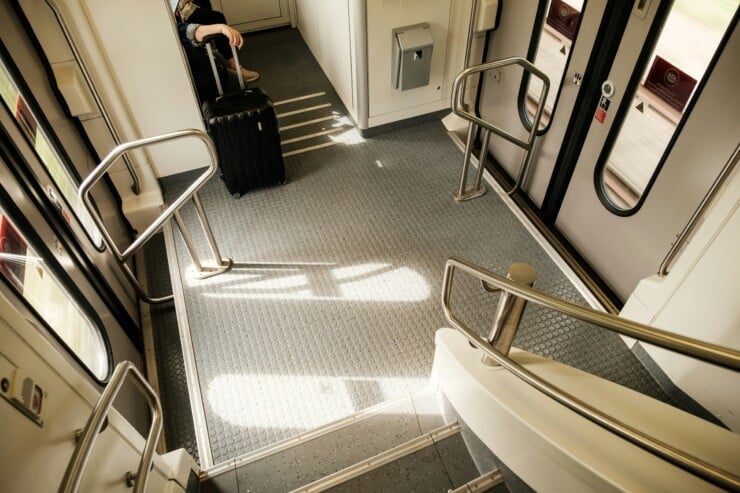
If you’re taking a high-speed train, and you’ve identified your binario, look again at your ticket now and identify your “carrozza” as this is your train carriage number. You must board the train at the door for your carriage and seat number.
Each carriage has two doors, and you must enter the one closest to your seat. It’s clearly labeled at the station, so as you walk down the train track, you’ll see the carriages and seat ranges marked.
Two Last Things To Keep In Mind
Here are some common-sense tips to remember when traveling by train in Italy.
Beware of The Baggage Helper Scam
A familiar racket to watch out for is the “baggage helper” scam. In this situation, you’re approached by someone who does not work for the train company but offers to help you with your bags.
Once they take the bags from you, they won’t give them back without payment. Avoid this by denying help from anyone who offers to carry your bags.
Prepare For Train Strikes
Another problem you may encounter is the famous “sciopero dei treni,” or train strikes. These are usually organized ahead of time and printed in the paper, and then broadcast on the news, so keep an eye out. Since they are organized, you can likely re-book your ticket ahead of time without too much of a headache.
The bad news is that sometimes the alternate trains are booked up, which can complicate your travel plans. The best thing you can do if you find yourself in Italy during a train strike is to be flexible.
Some trains may still run during the strike, so you can check at the station before rebooking. Alternatively, if you have more flexibility, consider rebooking to avoid the strike days.
Pro Tip: Prepare for your next trip to Italy by reviewing these 105 basic Italian expressions for travel!
Frequently Asked Questions About Trains In Italy
This largely depends on the type of train you're taking. If you plan on traveling on a high-speed train, 40 minutes should give you ample time.
If you're traveling on a regional or intercity train, you don't need to arrive much before the departure time. Just account for how slow or fast you walk and if you'll want to grab food before departure.
Traveling by train in Italy is generally safe; however, petty crime and scams can happen since it gets busy and tourists abound. Keep your luggage before you, and never leave a wallet or phone unattended. We recommend turning your backpack or purse around so it sits at your front, never putting a wallet or phone in your pocket, and keeping valuables deep inside your luggage where fast hands can't easily reach.
Be mindful of moments when you're distracted (ie, paying, eating, etc.), and be wary of people who seem too friendly to be true.
Validating involves putting your ticket into a small machine in the train station, usually found at the front of each platform, that will stamp the date and time. Failure to do so will result in a hefty fine. High-speed trains do not require this, so it’s just for certain trains with certain fares. If you’re unsure, ask a train station agent for help.
Driving In Italy
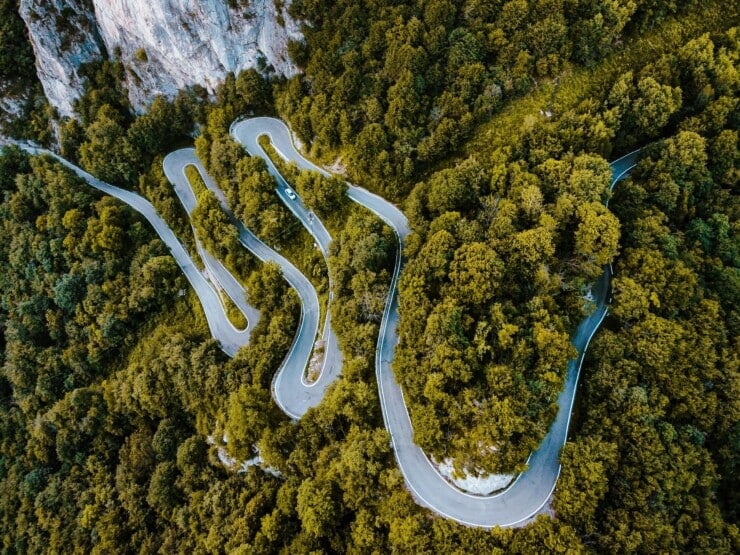
While trains in Italy are perfect for city-to-city travel, some of Italy’s most scenic countryside and hidden gems are best explored by car. If you’re planning to rent a car, check out our tips for driving in Italy for everything you need to know about road rules, tolls, and the best routes.

Classic Italian Pasta Recipes
Not heading abroad and ready to take trains in Italy quite yet? Here are a few of our readers’ favorite pasta recipes to help you get a taste of Italy at home:
Italy Travel Guide
Now that you’re an expert on trains in Italy, perhaps you’re considering traveling there in person. Check out our free Italy Travel Guide for our best travel tips, recipes, and articles.
Have Us Plan Your Italy Trip
Did you know we’re also a boutique travel agency specializing in Italy travel planning? If you’re looking to plan one of the best trips to Italy, our Italy trip planner services are here to help you plan your perfect itinerary.
Photo Credit: Cinque Terre Train photo by Julia Lav; Pisa train in sunflower field photo by frank andiver on Unsplash; Milano Centrale Train Track Photo by Jeton Bajrami on Unsplash; Salone Biglietti photo by MACH Photos; Train departure info by egd