Why Travel To Italy?
Welcome to the Salt & Wind Italy Travel Guide. Italy rewards travelers who come hungry. Across twenty regions, you’ll find distinct cuisines, dialects, and landscapes, from the truffle hills of Piedmont to the lemon terraces of the Amalfi Coast. No two regions eat the same way, and that’s the whole reason to slow down and go deep.
This guide covers where to go region by region, when to visit, and how to build a trip around the food, wine, and culture that make the Bel Paese worth the trip. We’ve spent more than ten years living in Italy and planning travel here, so every recommendation comes from time at the table, not a guidebook.
Why Trust Us
Italy isn’t a place we researched; it’s a place we’ve lived. Our Italy expert, Rachel, has lived in Florence since 2014 and keeps a summer home on the Tuscan coast. Meanwhile, our founder, Aida, lived in Florence, has family in Umbria, and has been traveling there since she was a teenager.
Together we’ve spent more than a decade designing custom Italy trips, including multigenerational family travel with everyone from toddlers to college-age kids. We travel for the food first and hold WSET Level 2 wine credentials, so the guidance here comes from real meals and real cellars, from Piedmont’s Barolo country to the tables of the south.
We also plan trips for a living. Every hotel, restaurant, and experience we point you toward is one we’ve vetted in person or booked for clients, not one we pulled off a list. We design fully custom itineraries rather than resell packages, which means our advice is honest about what’s worth your time and what isn’t.
One note: Italy changes season to season, and openings, hours, and prices shift. Use this guide to shape your thinking, then confirm the details close to your trip, or let us do it for you.
Italy Region-By-Region
Italy’s character shifts every few hours of driving. We plan around regions because that’s how you actually experience the country: one table, one town, one landscape at a time. Here’s where each region shines and who it suits.
Northern Italy
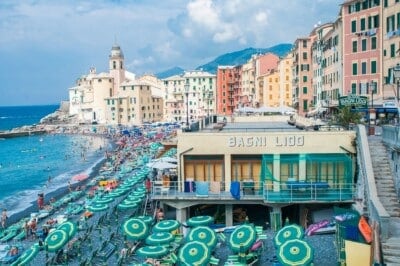
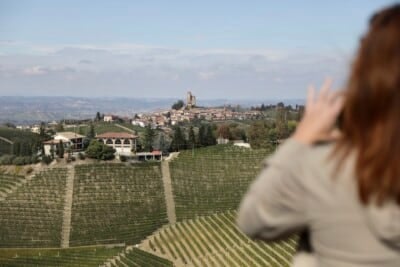
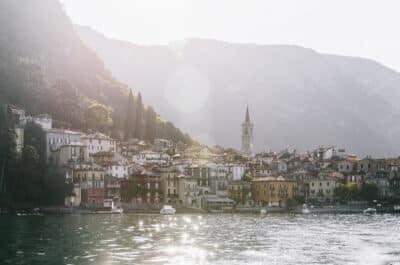
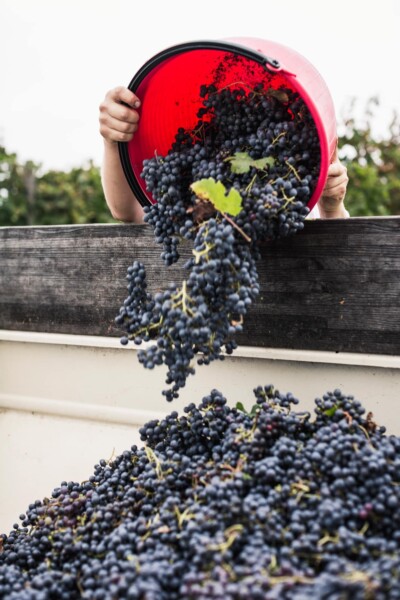
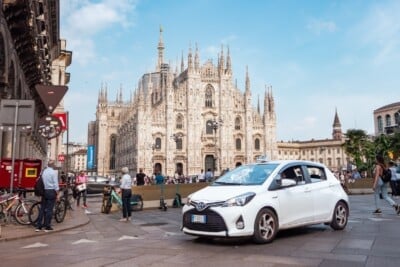
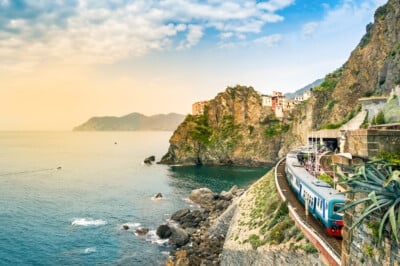
Northern Italy runs from the Alps to the Ligurian coast, and it’s the country’s powerhouse for food, wine, and design. On the coast, Liguria brings the Italian Riviera, Cinque Terre, and the birthplace of pesto. Inland, Piedmont is all Barolo, white truffles, and Slow Food, while Lombardy pairs Milan and Lake Como with Franciacorta sparkling wine. To the east, the Veneto stretches from Venice and Verona up into the Dolomites, with Prosecco and Amarone in between. Come here to ski, drive the wine roads, or eat your way along the Riviera.
Central Italy
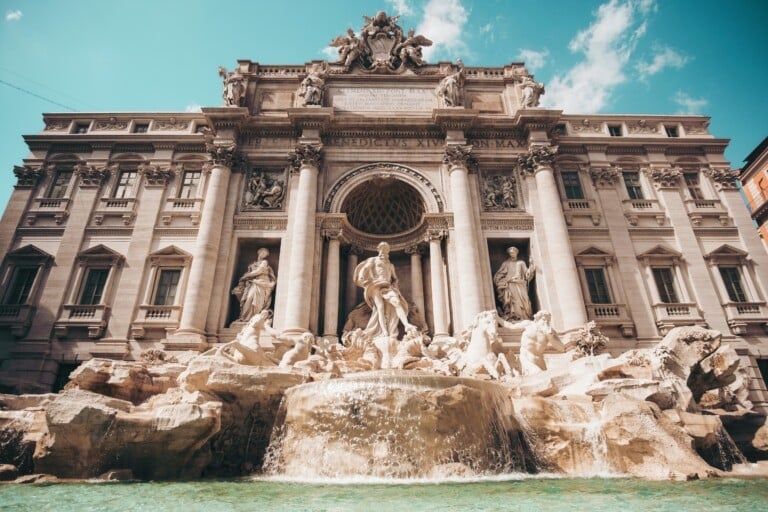
Central Italy holds some of the country’s most beloved destinations and its deepest food traditions. Emilia-Romagna is the land of Parmigiano, prosciutto, and handmade pasta, anchored by Bologna. Tuscany delivers Florence, Chianti, and the rolling Val d’Orcia, while Lazio centers on Rome, its Roman cooking, and the hill towns just beyond the city. Come for the famous cities, then stay for the countryside most travelers rush past.
Southern Italy & The Islands
Southern Italy delivers ancient history, dramatic coastlines, and bold, sun-driven flavors. Campania gave the world pizza in Naples, plus the postcard views of the Amalfi Coast and Capri. Puglia is the heel of the boot, all whitewashed towns and orecchiette, while Sicily stands almost on its own with Greek ruins, Mount Etna, and a cuisine shaped by centuries of trade. This is the Italy of long lunches and slower days.
Sample Italy Itineraries
The best Italy trips pick a lane rather than sprint across the whole country. Our food-first travelers tend to love ten- to twenty-day routes that mix farm visits, wine tasting, a couple of cities, and a few small towns. A handful of classics we plan again and again:
- Northern Italy: Piedmont wine country, Milan, and the Italian Lakes.
- The Veneto: Venice, Verona, and the Dolomites.
- Central Italy: Bologna, Florence, and the Val d’Orcia.
- Southern Italy: Rome, Naples, and the Amalfi Coast.
- Sicily: Palermo, Taormina, Catania, and the Val di Noto.
Each of these works as a standalone trip or a building block for something longer. We tailor the pace, the lodging, and the table reservations to how you actually like to travel.
Italian Food & Wine Travel
Italy is one of the world’s great wine countries, so we always build in time to sip. Get to know Chianti in Tuscany, the under-appreciated sparkling wines of the north, and the volcanic bottles of Sicily. On the plate, the fun is in how much the food changes from region to region, from Bologna’s ragù to Naples’ pizza to Sicily’s street food.
Planning Your Italy Trip
A good Italy trip starts with matching the destination to your style, then getting the logistics right. These guides cover the practical side, from trains and driving to traveling with kids or eating gluten-free.
Italy Travel Frequently Asked Questions
When is the best time to visit Italy?
Late spring (May to June) and early fall (September to October) hit the sweet spot: warm weather, harvest and festival season, and fewer crowds than the July and August peak. Coastal spots like the Amalfi Coast and Sicily stay lovely into October, while the northern cities and wine regions are at their best in the shoulder seasons.
How many days do you need in Italy?
Plan on at least ten days to see one or two regions without rushing. Two to three weeks lets you combine a city, a wine region, and the coast at a pace that leaves room for long lunches. We steer travelers away from trying to see Rome, Florence, Venice, and the Amalfi Coast in a single week.
Which region of Italy is best for food?
Every region eats well, but Emilia-Romagna (Parmigiano, prosciutto, tortellini) and Piedmont (truffles and Barolo) are the two most food-obsessed. Naples and Sicily win for street food, and Tuscany is the classic for wine plus countryside.
Do you need a car to travel in Italy?
It depends on the region. Trains connect the major cities well, so you rarely want a car for Rome, Florence, Milan, or Venice. For wine country, Tuscany’s hill towns, Piedmont, and Puglia, a car opens up far more. We often mix the two on a single trip.
Is Italy expensive to visit?
Italy spans every budget. The cost drivers are your lodging, your region, and your season. High summer on the Amalfi Coast runs steep, while a spring week in Puglia or Emilia-Romagna can be surprisingly good value. We build trips to match the experience you want at the budget you have.
Italy Travel Planning Resources
You’ve been inspired. Now let us do the heavy lifting. Book a complimentary Discovery Call and a Salt & Wind travel planner will map out a trip worth taking, plus a quote to make it happen. No cookie-cutter itineraries, no tourist traps.
Starting to plan your Italy travel? Check out these helpful links:
- Apartments: Use code SaltandWindTravel/AM when booking apartment stays with Plum Guide
- Hotels: Book High-Quality Hotels at Booking.com
- Italy Trip Calculator: Get our new budget calculator to estimate your Italy trip cost accurately.
- Italy Trip Planner: Planning a trip to Italy yourself? You’ll want our Italy itinerary planner so you can access our expert travel insights from more than ten years of travel planning in Italy!

- Tours: Book in-depth tours with Context Travel
- Shop: See our favorite travel essentials in our Amazon store