
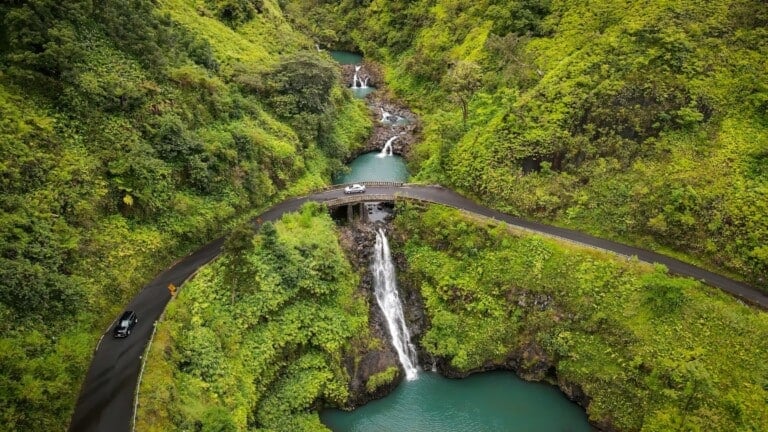
Our Maui travel guide is written for travelers weighing where to stay and what to do on the island our clients request most. The Valley Isle is the classic Hawai’i dream: swaying palms, black-sand beaches, waterfall drives, and a mix of family-friendly and romantic resorts.
This guide covers where to stay area by area, the best things to do, where to eat, and how to plan a trip built around Maui’s beaches, food, and dramatic scenery.
Why Trust Us
We’ve spent over a decade planning custom Hawai’i trips, and Maui is the island our travelers ask for most. Our guidance comes from real time on the island, not a guidebook, and we work with island-based experts who know it intimately. We also treat these islands with care, building trips that support local businesses and respect the culture.
Every hotel and restaurant here is one Team Salt & Wind has visited in person. At many of our favorite resorts, from the Four Seasons in Wailea to the Montage in Kapalua, we can add booking perks like daily breakfast, resort credits, room upgrades, and early check-in. We design fully custom itineraries rather than resell packages, so our advice stays honest about which areas fit your trip and which don’t.
Where to Stay in Maui
Maui’s geography drives where you should stay. The leeward side (West and South Maui) is sunny, calm, and resort-focused, ideal for honeymoons and family trips. The windward side is lush, wet, and dramatic, made for travelers who prioritize nature. The island breaks into five areas:
- West Maui (Kāʻanapali, Nāpili, Kapalua): classic sunny beaches and resorts. Kāʻanapali is great for families; Kapalua is quieter and more upscale.
- South Maui (Wailea, Kīhei): Wailea is the island’s luxury-resort row with calm beaches; Kīhei is more residential.
- East Maui (Hāna): remote, rainforest-lush, and off-grid, best for honeymooners and nature lovers.
- Central Maui (Pāʻia, Wailuku): historic towns near the airport and the start of the Road to Hāna.
- Upcountry (Makawao, Kula): ranch-and-farm country on Haleakalā’s slopes, cooler and slower, closest to the summit.
For the full area-by-area breakdown, including our favorite hotels, see our guide to where to stay in Maui. (Note: we don’t recommend renting condos or vacation homes on Maui, given the island’s housing shortage; see the where-to-stay guide for context.)
Best Things to Do in Maui
Maui rewards a mix of beach time and adventure. Drive the legendary Road to Hāna, watch the sunrise from the summit of Haleakalā, and hike the bamboo forests and waterfalls of the windward side. Snorkel the calm leeward beaches, visit a lavender farm or distillery Upcountry, and explore the sacred ‘Īao Valley. For more, see our roundup of the best things to do in Maui.
Where to Eat & Drink in Maui
Maui eats well, from food trucks and poke counters to farm-to-table restaurants using Upcountry produce. Pāʻia is a fun stop for a laid-back meal near the Road to Hāna, and the resort areas of Wailea and Kapalua deliver oceanfront fine dining. We bring the island’s best local tables to wherever you’re based.
Sample Maui Itinerary (6 Days)
- Days 1–2: Settle into Wailea or Kapalua for beach time and snorkeling.
- Day 3: Sunrise at Haleakalā, then explore Upcountry farms and towns.
- Day 4: The Road to Hāna, ideally with an overnight in Hāna.
- Day 5: ‘Īao Valley and Central Maui’s historic towns.
- Day 6: A final beach day and a sunset dinner.
We tailor the pace, the lodging, and the reservations to how you like to travel.
Best Time to Visit & Getting Around
Maui is a year-round destination, but the shoulder seasons (April to May and September to October) bring the best mix of weather, value, and lighter crowds. Winter is peak for whale watching and holiday travel; summer is busiest with families. You’ll want a rental car, the island’s best beaches, farms, and trails are spread out, and outside the resorts there’s little public transit.
Maui Travel FAQ
Where should you stay in Maui?
It depends on your trip. Wailea and Kapalua are best for luxury, honeymoons, and calm beaches; Kāʻanapali and Nāpili are the classic family picks; and Hāna or Upcountry suit adventurous, off-grid travelers. We help match the area to your style.
How many days do you need in Maui?
Plan at least five to seven days so you’re not spending the trip in the car. That’s enough for beach time, the Road to Hāna, and a Haleakalā sunrise without rushing.
Is the Road to Hāna worth it?
Yes, for the waterfalls, rainforest, and black-sand beaches, but it’s a long, winding day. We often recommend an overnight in Hāna so it feels like a journey rather than a race.
Do you need a car in Maui?
Yes. The island’s highlights are spread out and public transit is limited, so a rental car is essential for all but the most resort-bound trips.
When is the best time to visit Maui?
The shoulder seasons of spring and fall offer the best balance of weather, price, and crowds. Winter brings whales and higher rates; summer is peak family season.
Plan Your Maui Trip With Us
You’ve been inspired. Now let us do the heavy lifting. Book a complimentary Discovery Call and a Salt & Wind travel planner will map out a trip worth taking, plus a quote to make it happen. No cookie-cutter itineraries, no tourist traps.
Maui Travel Resources
Starting to plan? A few links we trust:
- Hotels: Book high-quality stays at Booking.com, or ask us about perked rates at our partner resorts.
- Tours: Book in-depth tours with Context Travel.
- Travel Tips: Join our free Facebook group.
- Shop: See our favorite travel essentials.
Looking at other islands? Head back to our Hawaii Travel Guide.