
🔑 Quick Answer: The best Road to Hana stops include waterfalls, black sand beaches, tropical gardens, short hikes, and local food stands spread along Maui’s scenic northeastern coastline. Some of the most worthwhile stops include Twin Falls, Ke‘anae Peninsula, Waiʻānapanapa State Park, Hana Town, and the Pipiwai Trail in Haleakalā National Park. The biggest mistake travelers make is trying to stop at every place. At Salt & Wind Travel, we usually recommend choosing 5–8 meaningful stops based on your travel style, whether you’re traveling as a family, adventurous couple, or first-time Maui visitor.
Key Takeaways
- The Road to Hana is about the journey, not the destination, so slow down, be flexible, and prioritize quality over quantity.
- Respect the land and local communities by following road etiquette, supporting small businesses, and practicing Leave No Trace.
- For a deeper, more meaningful experience, consider staying overnight in Hana and letting a local expert help plan your ideal route.
Looking for tips on how to make the most of your Road to Hana stops? You’re in the right place. The Road to Hana is one of the best road trips in the United States and easily one of the top things to do on the island of Maui.
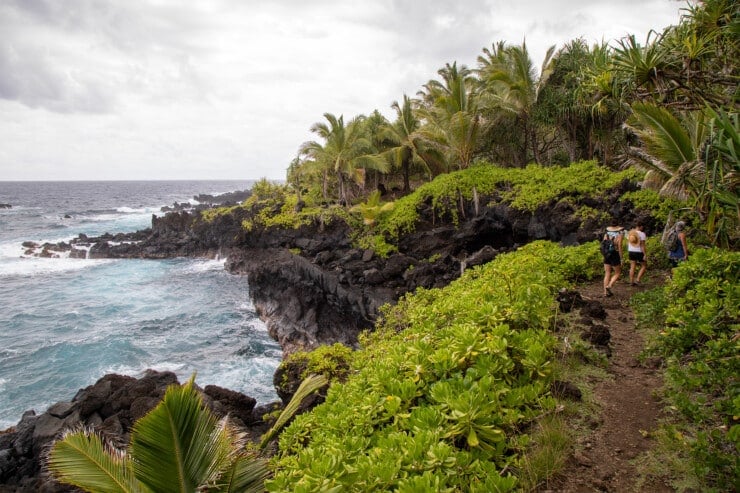
This winding road offers an unforgettable adventure. You will find hairpin turns, hidden waterfalls, black sand beaches, and lush rainforests.
Our team of Hawaii travel experts has thoughts on the best things to see along this legendary drive. In short, the road to Hana is not about making a beeline to Hana town. It’s very much about the journey and all the incredible road to Hana stops along the way.
Our ultimate guide will give you 30 essential tips for enjoying the road to Hana stops. You can plan your perfect day trip, stay safe, and explore carefully.
Why Drive the Road to Hana?
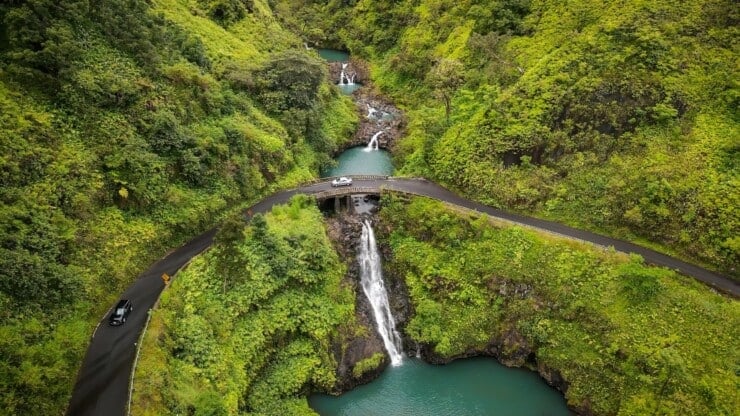
The “Road to Hana” refers to the scenic drive along Maui’s northeastern coastline between Paia and Hana, famous for waterfalls, rainforest scenery, beaches, and winding coastal roads. Hana is a remote town on East Maui known for lush landscapes, waterfalls, black sand beaches, and a slower, more rural side of Hawai‘i.
The Road to Hana is one of Hawaii’s most iconic drives. You’ll pass waterfalls, botanical gardens, black sand beaches, historic sites, and scenic coastal views. With over 600 curves, many one-lane bridges, and many reasons to stop, it is one of the hardest drives in the state.
Like the California Highway 1 drive, it’s worth doing at least once. However, equipping yourself with the best tips on the road to Hana stops will transform this experience from good to outstanding.
Why You Should Trust Us
At Salt & Wind Travel, we have spent over 10 years planning Hawaii vacations and helping many travelers craft their Maui travel itineraries. We’ve helped plan countless Maui itineraries for honeymooners, families, and adventurous travelers, including many custom Road to Hana experiences. Because we regularly visit Maui ourselves and work closely with local guides and activity partners, we know firsthand which stops are truly worth your time and which are better skipped depending on your travel style and timing.
We’ve personally scouted each curve, stand, and scenic overlook, so we can confidently help you separate the magical stops from the simply photogenic. Whether you want a guided tour or a DIY road trip, we can help. We have driven the Hana Highway countless times, so we know the best stops, hidden gems, and favorite places to take a break.
Essential Stops Along The Road To Hana
Please provide a valid CSV file.
30 Essential Tips For Road to Hana Stops
First, determine your top priorities for your road to Hana stops. Are they waterfalls? Roadside farm stands? Cultural landmarks? Black sand beaches? Or the bamboo forest? Those are just a few of the must-see road to Hana stops, but not all are reasonable to see in one day.
There is no one-size-fits-all Hana tour, and this drive should be personalized to the traveler. For example, a family with grandparents or small kids will have different needs and interests from a history buff or an adventurous couple.
A great place to get in touch with our Hawaii travel experts. We will review all the details and work it out in your best interest. Here are 30 tips to help you enjoy the Road to Hana stops.
How To Plan Your Road To Hana Stops
If there’s only one thing to take away from our tips for the road to Hana stops, it’s to give yourself lots of time! Most travelers do this as a day trip, but we think it’s too hectic.
There are countless interesting places, but trying to see them all in one day is too much. Doing so will only make you exhausted and overwhelmed, likely leading to crankiness or bickering among your travel mates.
We highly recommend spending at least one night (ideally two or three!) in Hana town. It’s a win-win because you’ll travel deeper and feel good about supporting the local economy.
Define The Road To Hana
The Hana Highway is technically known as State Route 360 or HI-360. This famous “Road to Hana” begins east of Pa’ia town and the legendary Jaws surf break along Maui’s north shore. The road stretches over 60 miles and is known for its numerous turns, one-lane bridges, and lush landscapes.
Zero In On Your Must-See List
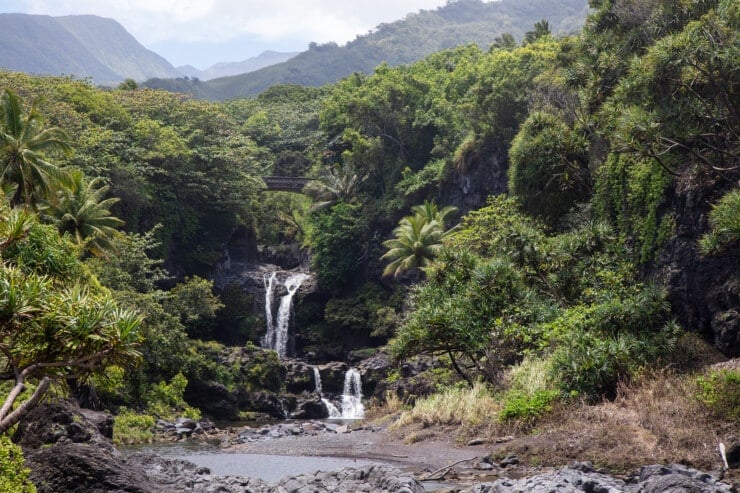
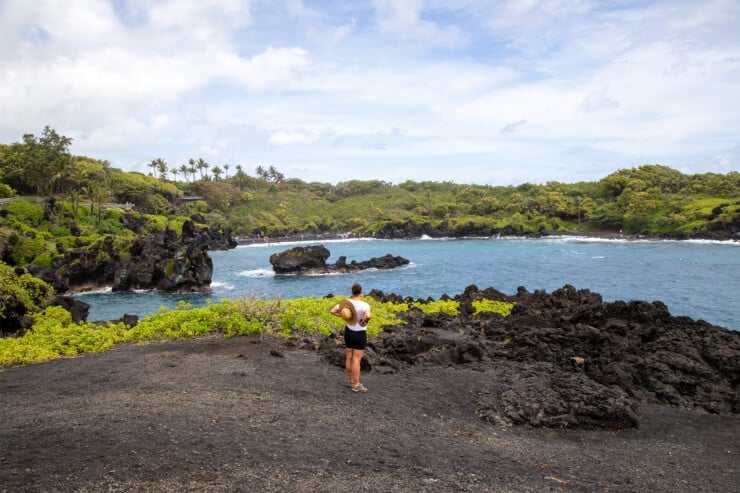
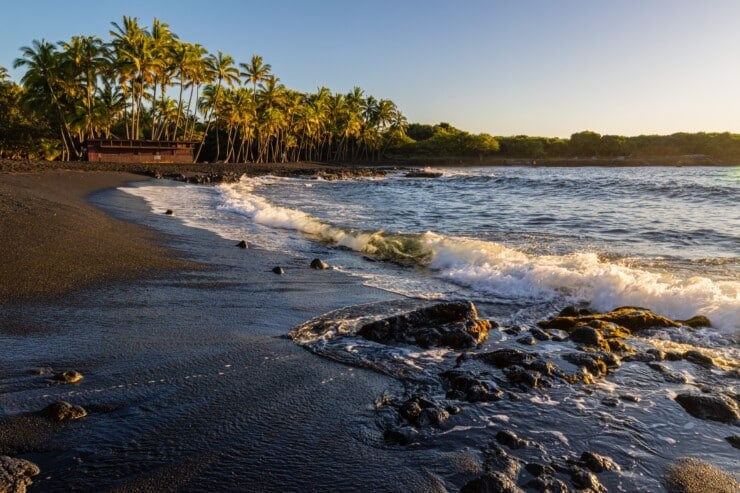
If this is your first time, we recommend the following road to Hana stops: one short hike, one waterfall, one roadside food truck or farm stand, the Hana Lava Tube, a black sand or red sand beach, and either Wai’napanapa Park (above) or seeing the seven sacred pools at Haleakala National Park. Waiʻānapanapa State Park is a protected coastal park near Hana, famous for its black sand beach, lava tubes, sea arches, and volcanic shoreline.
However, depending on your interests, you may want to add other sites, such as historic taro patches, beaches, historic churches, waterfall hikes, ancient temples, and more.
Budget Enough Time
Plan a full day (as in 12 hours!) for this day trip, especially if you want to see many of the major road to Hana stops. Since we are advocates of slow travel, we recommend splitting the experience over two or three days rather than trying to cram it all in one day.
Start Early
Morning people rejoice, as an early start is key. We suggest starting at sunrise and planning to return by sunset. Starting early helps you avoid crowds at the most popular stops and gives you extra time for unplanned discoveries.
We often help clients map out their departure timing based on their exact location and season of travel. A sunrise departure from Wailea hits differently in summer versus winter, and we plan accordingly.
Fill Up on Gas
Start with a full gas tank before leaving the main road in Paia because there aren’t many gas stations along the route. It’s a good idea to top off your tank even if it’s only half empty.
Download Maps
Cell service is spotty, so plan to be in SOS mode for most of the drive. Download your driving directions and a map beforehand to access your pick of road to Hana stops while offline. Keep track of the mile markers of stops you want to see, as that’s the easiest way to orient yourself.
Drive Respectfully
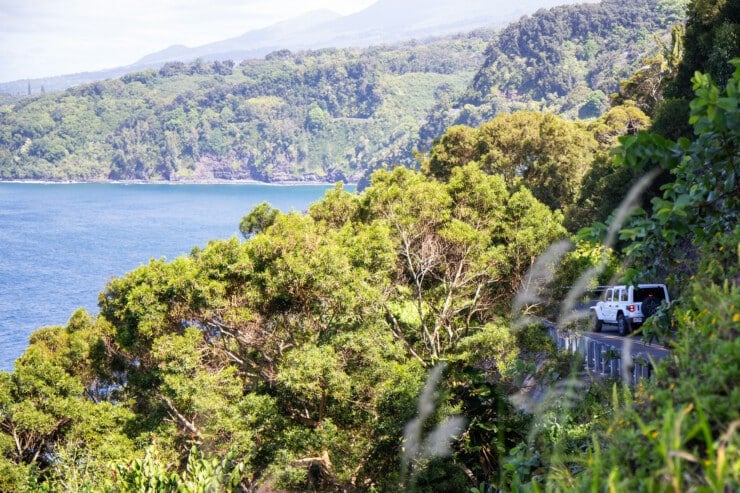
This isn’t just a tourist attraction, but a road that residents use daily. As such, kindness and aloha go a long way. Let locals pass, pull aside when safe, and avoid blocking the side of the road. Say thanks with a wave, nod, or throw a peace sign, or even a shaka their way.
Avoid Large Vehicles
Don’t book a massive SUV or a Jeep rental car. A midsize SUV like a Nissan Rogue or a Toyota RAV-4 is ideal. Smaller vehicles are easier to drive on narrow roads and one-lane bridges, and you might also find yourself in a small parking area.
We always guide our clients through selecting the right rental car based on comfort, road size, and local restrictions. Those little logistics make a significant difference when you’re driving hundreds of curves.
Know the Speed Limit
Most of the Hana Highway is slow-going, with a speed limit of 25 mph or less. Obey all signage and be cautious around hairpin turns (a few horn honks are always useful around blind corners). Going slow not only ensures you drive safely, but also that you don’t miss roadside waterfalls or pullouts.
Plan for One-Lane Bridges
Over 50 one-lane bridges exist along the road to Hana, so be patient and yield properly. Always let oncoming traffic finish crossing first. Follow posted etiquette and avoid rushing the crossing.
Don’t Park Illegally
Only pull over in designated areas with parking lots. Never stop on the side of the road or block driveways or private property. Illegal parking creates safety hazards and can result in fines.
Avoid Driving in the Dark
The road is narrow and full of turns. Driving it at night is risky, especially for first-timers unfamiliar with its curves. If you are on a day trip and want to return to the main resort areas (Wailea, Kapalua, Napili, etc), plan to leave Hana town no later than 2:30 PM in the winter or 4:00 PM in the summer.
Don’t Have a Rigid Plan
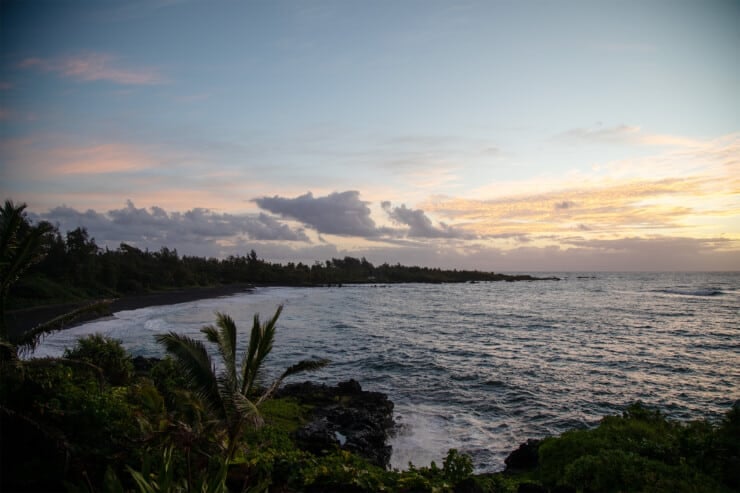
The best Road to Hana stops are often unplanned. Being flexible allows you to explore waterfalls, beaches, or scenic spots you didn’t anticipate.
Look Closer
Keep binoculars or a camera handy. Whether it’s whales, rare birds, butterflies, waterfalls, or rainbows, the Hana Highway offers countless surprises. Take your time to appreciate the details.
Pack Snacks and Water
You’ll find food stands, trucks, and historic general stores (hello, Hasegawa), but it’s smart to bring your own drinks and snacks.
Buy Local
Support the local economy by getting snacks at Jaws Country Store and buying fresh fruit at a roadside stand like Hana Farms. Don’t forget to grab lunch from one of the food trucks near Ke’anae or in Hana town, like Poke Bob’s. When you support local farms and stands, you’re also helping preserve East Maui’s agricultural traditions.
Bring Cash and Cards
Not all places accept cards, especially remote stands, and everyone will appreciate being paid in cash. Small bills are valid for park entrance fees or tips.
Pack In, Pack Out
Our travel philosophy is rooted in mālama ʻāina or caring for the land, so we always build in time to give back, go deeper, and engage with intention. Follow the number one rule of being in the outdoors and leaving no trace. Also, bring reef-safe sunscreen and minimize single-use plastics.
Be Prepared for Rain, Sun, And Mosquitoes
Rain brings out the beauty of waterfalls, but it can also make trails slippery and cause road washouts. Wear proper footwear (like Tevas with a good tread) and monitor road condition updates. Also, bring layers, hats, sunscreen, and bug repellent to ward off sunburn or mosquito bites.
Bring Your Camera
This road offers a photographer’s dream, so don’t forget your DSLR or drone should you so desire. However, many state parks and cultural sites prohibit drones. Always ask before flying, and don’t trespass for the perfect shot.
Traveling With Kids
Traveling with keiki (kids)? Bring motion sickness bands, snacks, toys, and be ready to stop often. Traveling with elders? Prioritize fewer, easy-to-access stops like Keʻanae Arboretum or Garden of Eden.
Pay Attention To the Surf
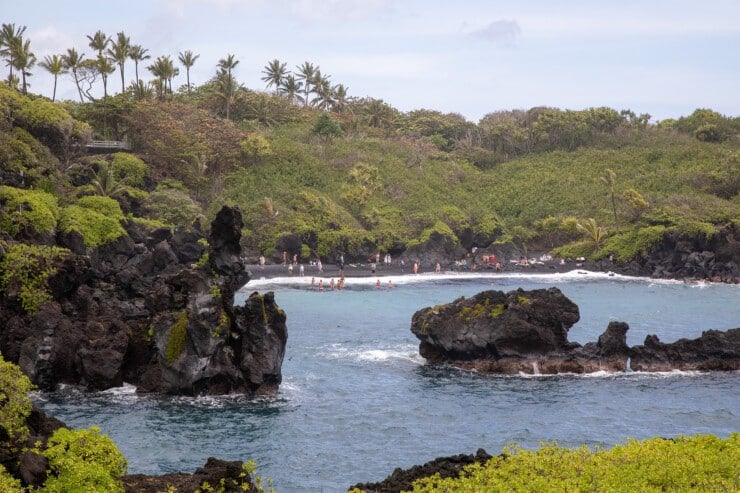
Things are wilder on this side of the island, including the ocean. As such, many beaches have strong currents and dangerous undertows. If signs say “no swimming,” believe them. As the saying goes, “If in doubt, don’t go out.”
Make Advanced Reservations
Some sites, like Waianapanapa State Park, require time-slot reservations for non-residents. Book in advance to guarantee entry, and check cancellation policies if plans change.
Bring Your National Parks Pass
The Pipiwai Trail is one of Maui’s most famous hikes, leading travelers through bamboo forests and waterfalls within the Kipahulu district of Haleakalā National Park. Access the Pipiwai Trail or Oheo Gulch in the Kīpahulu District of Haleakalā National Park. While you need a reservation to see sunrise at Haleakala National Park, you don’t need a reservation here. However, you’ll need a National Parks Pass, or you will pay an entrance fee.
Check the Best Road Conditions
Heavy rain can cause landslides and slippery trails. Always check the latest reports before your trip, especially if you travel in the winter when it rains more frequently. Following Maui Now or checking state websites can help.
Still planning your Maui trip? Check out our expert guide to where to stay in Maui.
Stay Overnight
Our travel clients usually do not do this as a day trip. Instead, they stay up to three nights in the small town of Hana. Booking a stay in Hana extends your adventure, supports local businesses, and gives you time to enjoy more stops.
This area of Hawaii is not very developed, and there is only one resort here. However, we have vetted recommendations for not just which hotel rooms our clients prefer but also for other local rental options.
While staying longer makes for a slower pace, our clients like that it is a more authentic experience and balances out the craziness of the back-to-back resorts in Wailea, Napili, and Kapalua.
Consider a Guided Tour
Not keen on driving? Let a trusted local navigate while you soak up the scenery. We work with hand-picked guides who know the road and can share the moʻolelo (Hawaiian stories) that bring the region to life.
Prefer something more elevated? We can also arrange scenic helicopter rides that combine luxury with jaw-dropping perspective. If you want a once-in-a-lifetime experience, consider a helicopter tour of Hana.
Don’t Drive The Back Road From Kipahulu To Ulupalakua
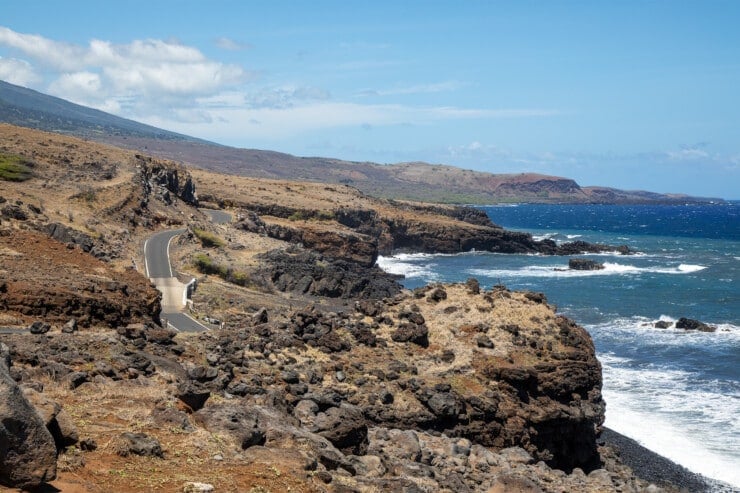
FYI, many rental car companies prohibit driving on the back side of the road (as in the road from Oheo Gulch to Kaupo and Ulupalakua). Parts of this road are gravel and washed out, and they pass right against the water without any guardrails. In short, if you are not used to off-roading, get carsick, or fear heights, this drive is not for you.
Practice Cultural Awareness
This area isn’t just beautiful; it’s chock-full of Hawaiian history. The story of Hana goes back to ancient times, when it was known for its fertile soils and its status as a beloved land of the alii, or royal class. At one time, it was even the seat of power for the entire island of Maui.
In short, this region is rich with stories, from ancient taro fields to sacred Hawaiian heiau sites. Traveling with cultural awareness deepens your appreciation and helps preserve it for future generations.
Want to travel deeper, more mindfully, and with cultural respect? That’s our specialty. We collaborate with local voices and Hawaii-based partners to ensure your itinerary uplifts the land and its people. From taro farm tours to curated aina-based (land-focused) adventures, we build experiences that stay with you long after your trip ends.
Defer to Locals
Locals know this area better than any guidebook. Ask them for their favorite stops or safety tips, and respect that they may want to keep some local treasures to themselves.
By using these tips for your Road to Hana stops, you will enjoy your day trip more and travel safely and respectfully toward the land and its people.
The Road to Hāna is just one part of the island; for help planning your Maui trip, see our full guide.
Frequently Asked Questions About Road to Hana Stops
Some of the best Road to Hana stops include Twin Falls, Keʻanae Peninsula, Waiʻanapanapa State Park (black sand beach), Hana Lava Tube, Wailua Falls, and the Pipiwai Trail in Haleakalā National Park.
Don’t miss roadside stands like Aunty Sandy’s Banana Bread and cultural sites like the Keʻanae Congregational Church. Your ideal stops will depend on your interests, so it’s best to plan a personalized itinerary.
Driving the Road to Hana as a round-trip day trip typically takes 10 to 12 hours, depending on how many stops you make. We recommend starting early and, if possible, staying overnight in Hana to enjoy the journey without feeling rushed.
Pack plenty of water, snacks, cash and cards, reef-safe sunscreen, bug repellent, layers for changing weather, sturdy footwear, a camera, and offline maps.
Also, bring your National Parks Pass if you plan to hike the Pipiwai Trail. Downloading a Road to Hana app or audio guide is also a good idea.
Tips For Sunrise At Haleakala National Park
Driving the Road to Hana is one of Maui’s most iconic experiences. It features lush rainforests, cascading waterfalls, and panoramic coastal vistas around every bend.
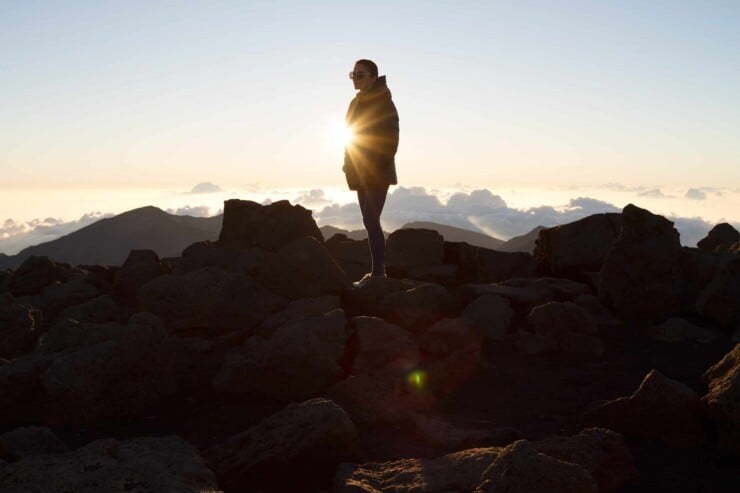
If you want even more Maui adventures, plan an early morning summit to see the sunrise at Haleakalā National Park. Be sure to check out our essential guide to catching sunrise, which includes everything from altitude prep and permit info to the best viewing spots and seasonal timing. Combining these two experiences, the Road to Hana and Haleakalā, makes for a truly extraordinary Maui journey.

Recipes Inspired By Hawai’i
Not heading to Hawaii quite yet? Here are a few of our favorite local Hawaiian recipes to make at home to stoke your wanderlust:
Hawaii Travel Guide
Looking to travel to the Aloha state soon? Check out our Hawai’i travel guide with tips for where to eat, where to stay, and what to do across the islands.
Have Us Plan Your Hawai’i Trip
Did you know we’re also a boutique travel agency specializing in Hawai’i vacation planning? If you’re looking to plan a trip to Hawai’i, our Hawaii vacation planning services are here to help you plan your perfect itinerary.


