🔑 Quick Answer: Where to stay in Maui depends on the kind of trip you want. For luxury resorts, swimmable beaches, and easy access to dining and activities, Wailea and Kapalua are the top choices. If you want a more local, laid-back vibe with easy access to the Road to Hana and Upcountry Maui, stay in Paia or the North Shore. At Salt & Wind Travel, we’ve planned dozens of Maui itineraries for honeymooners, families, multigenerational travelers, and adventure-focused couples, so we always recommend choosing your Maui base based on your travel style — not just the hotel itself.
Key Takeaways
- Maui has five main areas, each offering a unique experience—from resort-luxe Wailea and Kapalua to rainforest-rich Hana.
- Determine where to stay based on your interests like beach time, hiking, farm visits or bucket list sites like the Iao Valley or the Road to Hana.
- Work with one of our Hawaii travel experts for personalized advice on where to stay in Maui for couples, families, or adventure seekers..
Are you trying to decide where to stay in Maui? We get it. The Valley Isle is the Hawaiian island most requested by our travel clients who dream of swaying palm trees, lush hikes, scenic panoramas, black sand beaches, and a mix of family-friendly and romantic resorts.
Most travelers choose Maui hotels or vacation rentals based on a friend’s tip or a postcard-perfect photo. But after a decade of Hawaii vacation planning, we know that the difference between a good and unforgettable trip often comes down to where you stay.
Maui’s geography plays a major role in where you should stay. The leeward side of the island (West and South Maui) is known for little rain, calm beaches, and resort living, ideal for honeymoons, babymoons, and family trips during school breaks. Meanwhile, the windward side of the island delivers lush rainforests, waterfalls, and dramatic scenery, perfect for travelers who prioritize nature over pool time.
From Wailea’s luxury hotels to Hana’s rainforests, each region tells a different story of Maui. This guide helps you find where to stay in Maui for your travel style, whether you’re a couple, a family, or an adventurer.
Maui is more than great resorts; it’s about immersing yourself in what makes it “no ka oi” (number one). Choosing the right base will help you experience quintessential Maui moments: hiking to a sacred battle site in Iao Valley, driving through lush rainforests along the famous Road to Hana, watching the sunrise at Haleakala’s summit, or spotting migrating whales along the coast.
Why Trust Us?
As Hawaii vacation planning experts, we’ve spent years designing custom Maui itineraries for travelers who want meaningful, local experiences.
Clients often reach out feeling overwhelmed. One influencer says Wailea is the best, while a travel magazine claims it’s a tourist trap, and the online forums are contradictory. The truth? Every part of Maui has its own rhythm, climate, and personality.
Through our curated itinerary planning, we solve the problem of where to stay in Maui. We help couples find the dream beachfront suite for their Maui honeymoon, families locate the right beach for safe swimming, and adventurers decide whether to stay on the waterfront (makai) or toward the mountains (mauka).
If you’re still researching, check our Hawaii Travel Guide before you start planning.
Five Areas Where To Stay In Maui
When it comes to where to stay in Maui, start by deciding which part of the island is most for you. And, to do that, you first need to understand Maui’s layout.
When you look at a map, you’ll notice the island is like an off-kilter figure eight thanks to two mountainous areas with a saddle between them. The East Maui mountains are home to Haleakala (the house of the sun). In contrast, the West Maui Mountains are traditionally called Kahalawai (colloquially known as Hale Mahina, the house of the moon). Locals divide the island into five areas: West Maui, South Maui, East Maui, Central Maui, and Upcountry. Let’s dive into each.
As you explore the five regions below, keep in mind that Maui’s leeward areas tend to be sunnier and more resort-focused, while windward regions are greener, quieter, and more weather-variable.
| Area | Vibe | Best For | Pros | Potential Drawbacks |
|---|---|---|---|---|
| Wailea | Luxury polished resort area | Honeymoons couples luxury travelers | Sunny weather swimmable beaches upscale resorts excellent dining | Expensive less local feel |
| Kihei | Casual sunny beach town | Families active travelers budget-conscious travelers | Affordable condos central location great beaches relaxed atmosphere | Less luxurious more developed |
| Kā‘anapali | Classic resort destination | Families first-time Maui visitors multigenerational groups | Large resorts beach activities snorkeling walkability | Can feel crowded busy during peak seasons |
| Kapalua | Quiet upscale coastal area | Couples golfers luxury travelers | Scenic coastline hiking golf calmer atmosphere | Farther from many island attractions limited nightlife |
| Paia | Bohemian surf town | Food lovers surfers Road to Hana travelers | Local vibe boutique shops excellent restaurants North Shore access | Less resort infrastructure smaller beaches for swimming |
| Hana | Remote rainforest town | Adventure travelers slow travelers repeat Hawaii visitors | Waterfalls black sand beaches lush scenery unique experience | Long drive limited dining and lodging |
| Upcountry Maui | Rural agricultural region | Repeat visitors food travelers wellness travelers | Farms cooler temperatures local culture Haleakala access | Not beachfront requires more driving |
Best Areas to Stay in Maui by Traveler Type
Here is a quick recap of where to stay based on your travel style. Be sure to also read on below to understand what we love (and don’t) about each area of the island of Maui:
- Honeymoon, Babymoon, or Wedding Anniversary: Wailea or Kapalua (leeward side, luxury hotels, and little rain)
- Families (Spring Break and Summer): Kaʻanapali Beach or Wailea (easy-to-swim water and lots of amenities)
- Families (Winter Break): Wailea or Napili (calmer water and resort amenities)
- Adventure-Focused Couples: Hana or Upcountry (windward side and nature-forward)
West Maui: Kapalua, Napili, Kaanapali, and Lahaina
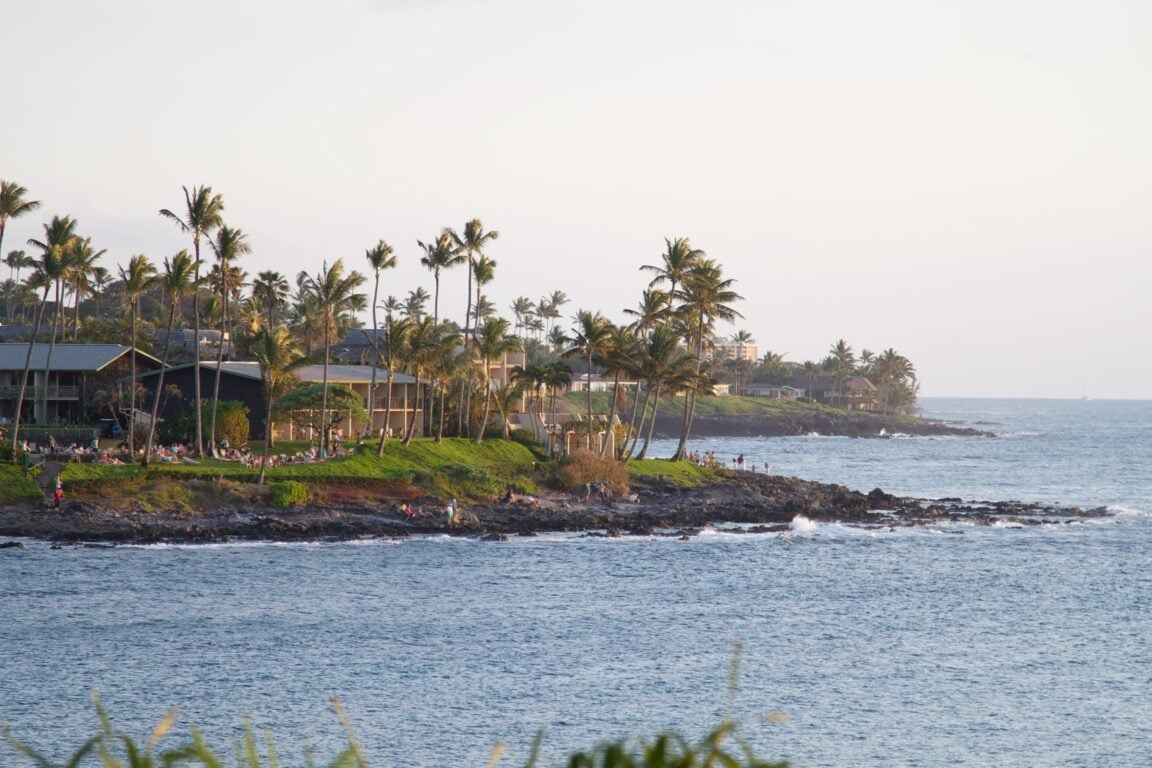
West Maui is the island’s northwest corner and includes Kapalua, Napili, Kaanapali, and Lahaina. As the first capital of the kingdom of Hawaii, Lahaina was one of the best-preserved historic towns in Hawaii before the tragic 2023 wildfire (more below).
As such, it was only natural to build some of Maui’s first hotels just north in the beach areas of Napili and Kaanapali. Located on the leeward side of the island, West Maui offers reliable sunshine, calm ocean conditions, and some of Maui’s most iconic beaches—including Kaʻanapali Beach, one of the best stretches of sand for families with younger kids.
Some of the most retro resorts are in this part of Maui, where sandy beaches and lots of sunshine abound. A few minutes farther north, you reach Kapalua, best known for its world-class golf courses, but we love it for its rugged coastline and quieter vibes.
Kapalua
Price Range: Luxury (starting at US$600/night/room)
Types of Lodging: Sprawling beachfront resorts with many amenities
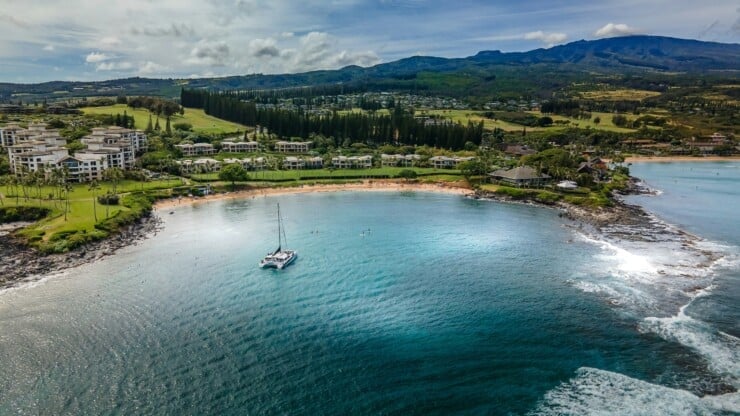
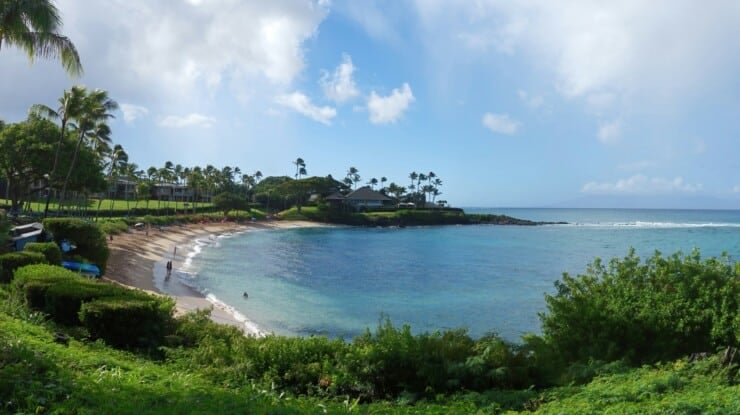
What We Love: Kapalua is a quieter, more luxurious resort community on Maui’s northwest coast known for dramatic scenery, golf, hiking, and a more secluded feel. The coastline alternates between rocky cliffs and soft coves, such as Kapalua Bay. It’s quieter and more rugged than Kaanapali or Wailea, with steady breezes that keep it comfortable in summer. You’ll find top-tier golf courses, tennis courts, spas, and scenic coastal trails.
Good To Know: It’s far from main attractions like Iao Valley and Haleakala. Dining and shopping options are more limited than in Wailea.
Who It’s Best For: Maui honeymooners, couples, families with adult kids, golf or tennis lovers, luxury travelers, spa lovers
Classic Hotel: The remodeled Montage Kapalua Bay checks the boxes for luxury travelers. Perks you get by booking with us include an upgrade, subject to availability, daily breakfast for up to two guests per bedroom, $100 resort credit, early check-in, and late check-out, subject to availability
Napili and Kaanapali
Price Range: 4-star (starting at US$400/night/room)
Types of Lodging: Midsize retro beachfront hotels
What We Love: Kā‘anapali is one of Maui’s classic resort areas on the west side of the island, famous for long beaches, large resorts, snorkeling, and family-friendly amenities. This is where the Brady Bunch would have stayed if they had traveled to Maui, because it’s the classic pick for a family vacation. Though many hotels have been renovated, there is a distinct 60s vibe.
This area is especially appealing for spring break, summer break, and winter holiday trips. There is a lot to love: lovely, easy-to-swim sandy beaches, close to sailing and snorkeling excursions, largely sunny and dry, beachfront hotels, and beginner-friendly waves for learning to surf, canoe, or SUP. Oh, and this area has some of the island’s most beautiful spots for sunset viewing.
Good To Know: This area is tied with Wailea for being the most touristy. It’s far from major sites like Iao Valley, Hana, Upcountry, and Haleakala. It’s not as lush as Wailuku, Kapalua, Upcountry, or Hana.
Who It’s Best For: Those wanting more of a 4-star price point—families who don’t mind crowds.
Classic Hotel: Napili Kai
Lahaina
As we noted above, Lahaina is a really special place in Hawaii thanks to its rich history, and it’s one of the most vibrant native Hawaiian communities in the state. Tragically, the area was devastated by one of the deadliest fires in US history in August 2023.
The fire displaced thousands and gutted numerous historic coral and stone buildings, including the Baldwin Home, Old Lahaina Prison, and Hale Aloha. The facades are generally still standing, and the plan is to restore the area carefully. However, this will be a massive undertaking that will take years to achieve.
In the meantime, locals ask that you don’t pity them but support them. You can do so by donating to the Lahaiana Restoration Foundation and by buying and staying local while you vacation on the island.

South Maui (Kihei and Wailea)
When you hear South Maui, that’s in reference to Kihei and Wailea. This area is referred to as two parts, but it’s technically all the town of Kihei. That means all hotels in this area will list their addresses as Kihei. However, there is a distinction between the Wailea area (south of Mokapu Beach) and the northern, more local Kihei area.
The north of Kihei is more residential, with more multi-story condos, while Wailea is known for sprawling, high-end resorts. Kihei is a casual beach town on Maui’s South Shore known for condo rentals, walkable beaches, sunny weather, and a more affordable vibe than nearby Wailea. Wailea is Maui’s upscale South Shore resort area known for luxury hotels, calm beaches, golf courses, and consistently sunny weather.
Kihei
Kihei is about as central as it gets on Maui while remaining at the beachfront. However, it is more residential than resort-like. The tourist-oriented options are older and more budget-friendly.
Before the Lahaina wildfire, our clients avoided this area because it didn’t have a strong resort or beach vibe. For the foreseeable future, we suggest that tourists avoid this area, as many people affected by the Lahaina wildfire were displaced here (as well as in parts of Kaanapali).
Note: Maui (as with all of Hawaii) severely lacks affordable housing, so we do not recommend renting condos or vacation rentals here or in Hawaii.
Wailea
Price Range: Luxury (starting at US$600/night/room)
Types of Lodging: More modern resorts with many amenities
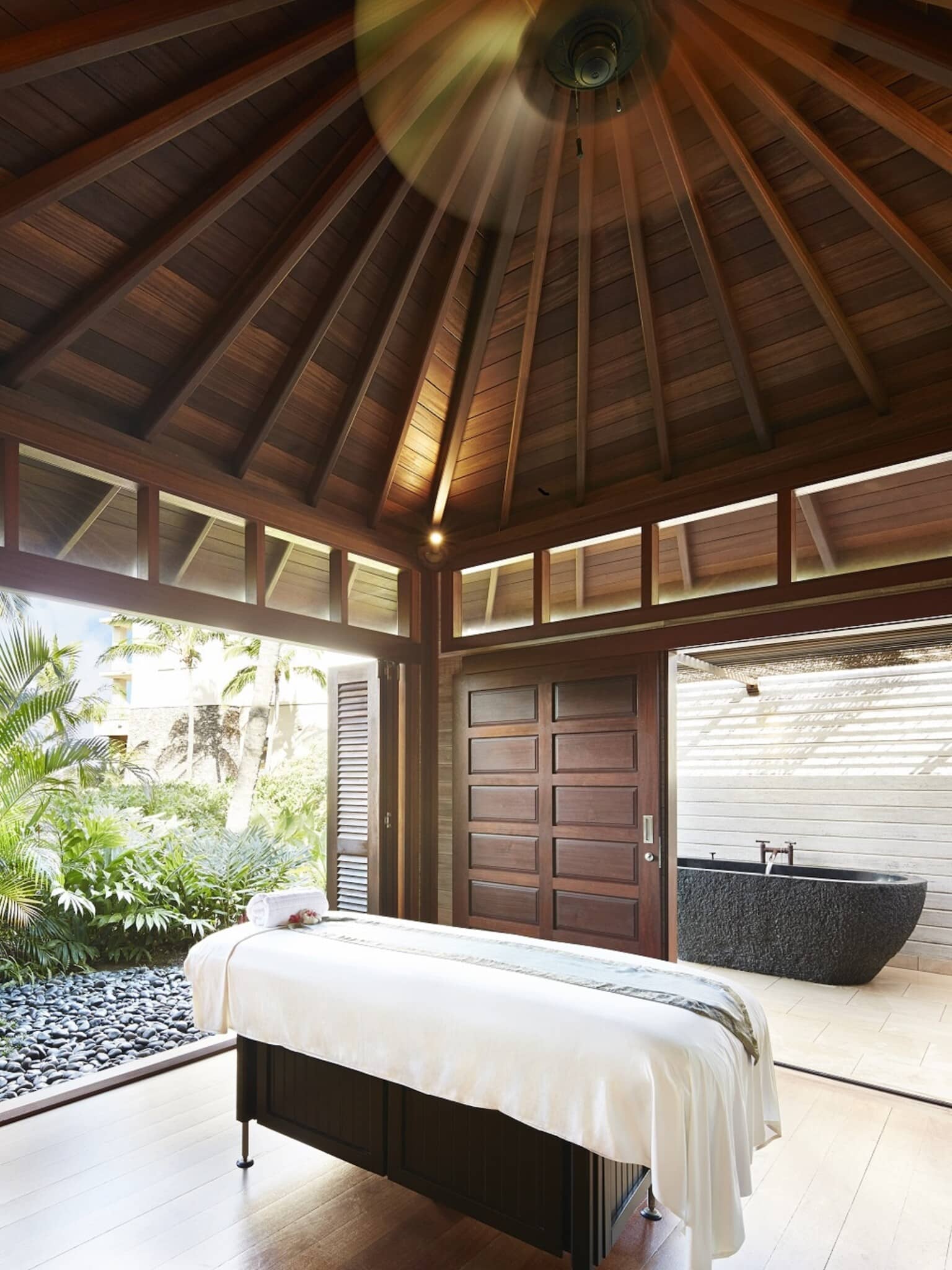
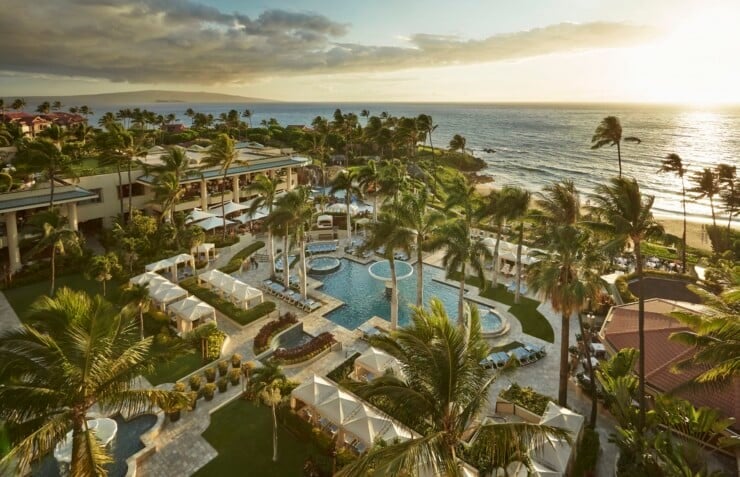
What We Love: If where to stay in Maui was only about the hotels, Wailea would be the best area. Like Miami’s South Beach, you have back-to-back luxury hotels along beautiful beaches. Here you’ll find some of the island’s best golf courses, spas, and shopping. Wailea also stands out for its upscale dining options, from resort fine dining to oceanfront sunset spots.
Families traveling during spring break or winter holidays appreciate Wailea’s protected beaches, multiple pools, and walkable paths between resorts. There are beginner-friendly waves for snorkeling or learning to surf, canoe, or SUP. And it’s close to the more wild Makena Bay.
Good To Know: Like Kapalua, it’s a bit remote, so it takes a while to get to Iao Valley, Hana, or Haleakala. It’s best for travelers who don’t want to leave the resort but rather sit poolside or do spa services. It has some of the most expensive hotels and feels touristy. The village is more of a shopping center, so it doesn’t have historic vibes like Wailuku or Upcountry. It can get hot and is not as lush as Wailuku, Kapalua, Upcountry, or Hana.
Who It’s Best For: Couples, families, multigenerational families, luxury travelers, spa lovers.
Classic Hotel: Four Seasons Resort Maui. Perks you get by booking with us include daily breakfast for 2, $100 hotel credit, room upgrade to next category, early check-in, late check-out (subject to availability)

East Maui (Kipahulu and Hana)
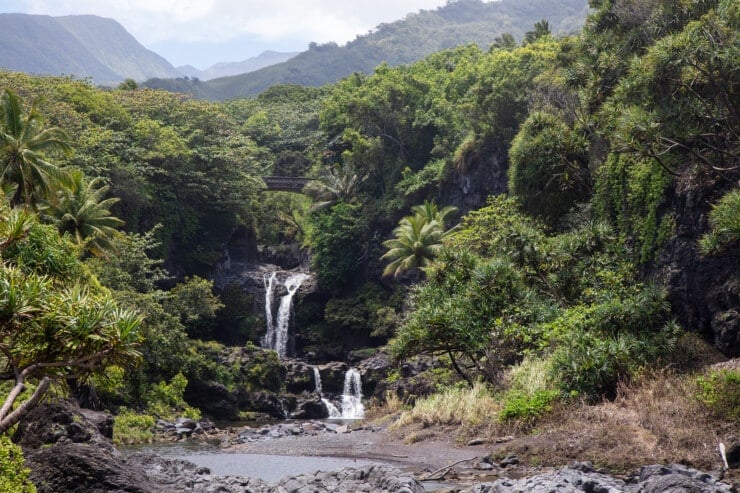
East Maui is easily the island’s most remote and back-to-nature part. Located on the windward side of the island, East Maui is greener, wetter, and dramatically different from the resort-heavy west and south. So, if you’re after rainforests, waterfalls, black sand beaches, and want to be off the grid with little cell service, this is it.
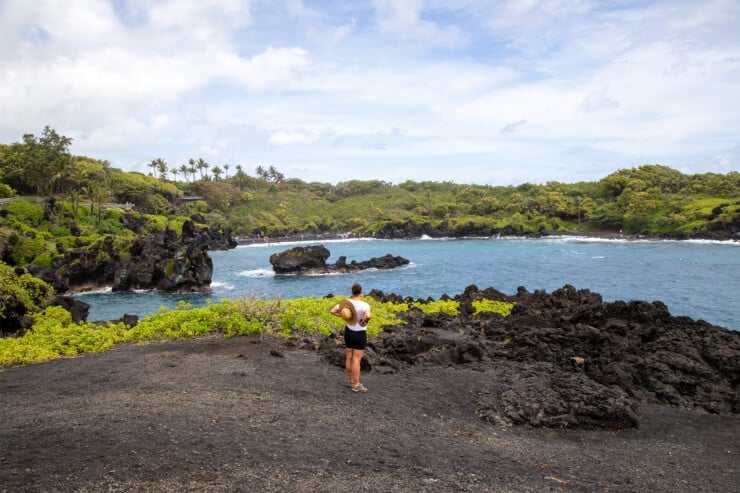
Hana is a remote, lush town on East Maui best known for waterfalls, rainforest scenery, black-sand beaches, and slow-paced travel experiences. Hana is an excellent place for a Maui honeymoon if your vibe is more hiking in a bamboo forest and eating poke from a food truck than sipping Mai Tais poolside. It’s also unique because, along with Wailuku, this area tends to have a larger concentration of native Hawaiians than other parts of the island and thus a richer local culture.
Kipahulu and Hana
Price Range: 4-star to 5-star (starting at US$300/night/room)
Types of Lodging: Relaxed condo rentals or a historic resort
What We Love: This area gives all the tropical rainforest vibes visitors dream about when they think of traveling to Hawaii. There is a mix of red and black sand beaches, hikes through bamboo forests, and other beaches next to ancient heiau (temples).
The town is very simple, laid-back, and mostly made up of local businesses and food trucks. You can live in slippers (aka flip-flops), board shorts, and a T-shirt. It’s the closest to the quieter Kipahulu district of Haleakala National Park, home to bamboo forests, waterfalls, and the Seven Sacred Pools.
Good To Know: The roads are long and winding, so you’ll be isolated. The weather changes quickly, so it can be sunny one minute and raining the next. The water moves a lot with rip currents, so the beaches are best for experienced swimmers.
Who It’s Best For: Honeymooners who want off-the-beaten-path, outdoor lovers, and history lovers
Classic Hotel: Hana-Maui Resort. Booking with us offers perks such as complimentary breakfast at a hotel restaurant for up to two guests, property credit, room upgrades, and early check-in and late check-out, as available.
If you plan to drive there, our Road to Hana Stops guide covers the essential tips.
Central Maui (Paia, Kahului, and Wailuku)
Set around the main airport in Kahului and into the island’s saddle, this area comprises the towns of Paia, Kahului, and Wailuku. Though they are near each other, they couldn’t be more different.
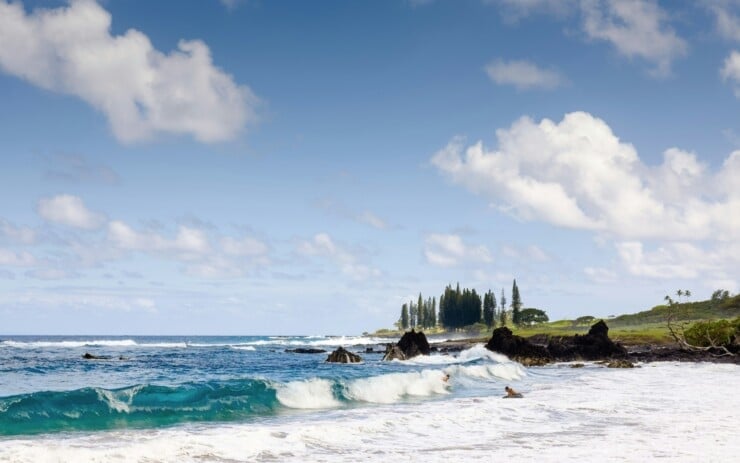
Paia is a laid-back North Shore surf town known for boutique shopping, local restaurants, wind sports, and its proximity to the Road to Hana. Paia is a historic town with hippie vibes and is the closest to the start of the road to Hana. Paia sits closer to the windward side of the island, which explains its stronger trade winds and surf culture.
Kahului is like the island’s town square, home to the airport, big box stores like Target, Walmart, and Costco, the Maui Nui Botanical Gardens, and the Maui Arts & Cultural Center. Meanwhile, Wailuku is a treasure trove of local history.
Paia
Price Range: 3-star (starting at US$300/night/room)
Types of Lodging: Inns
What We Love: This historic town has a flat, walkable main street full of independent businesses. Its location offers easy access to the road to Hana, Kahului Airport, Iao Valley, famous surf breaks like Hookipa and Peahi (Jaws), and Upcountry.
Good To Know: This town is primarily made up of mainland transplants and has a hippie, spiritual vibe that may not be for everyone. There is a small beachfront in Paia town, but the water can move a lot with rip currents, so it’s not family-friendly.
Who It’s Best For: Solo travelers, couples, wellness travelers, expert surfers
Classic Hotel: Paia Inn
Kahului
Price Range: 3-star (starting at US$300/night/room)
Types of Lodging: Airport chains
What We Love: This is a convenience play above all else.
Good To Know: Next to the airport and commercial and industrial areas, more of a city than a cute town
Who It’s Best For: Business travelers attending conferences or events
Wailuku
Price Range: 4-star (starting at US$400/night/room)
Types of Lodging: Historic inn
What We Love: This small town has a vibrant history. It is not a beachfront and was never the capital, but it stands up to Lahaina’s historical credibility. If you’re after Hawaii history, this is a must. You can find artifacts at the Hale Hoikeike at the Bailey House, see the site of one of the island’s deadliest battles in the Iao Valley, or access hikes like Waihee Ridge Trail. Over the last few years, a movement has worked to preserve historic buildings while welcoming a new generation of locally owned businesses and public art.
Good To Know: It can be hot in the island’s saddle. It is not beachfront. It is first a town, so it doesn’t have all the resort-oriented options of Wailea, Napili, or Kapalua.
Who It’s Best For: Couples, history lovers, slow travelers
Classic Hotel: The Historic Wailuku Inn
For the rest of your trip, from things to do to where to eat, see our complete Maui travel guide.

Upcountry Maui (Haiku, Haliimaile, Makawao, and Kula)
Upcountry Maui refers to the cooler, rural slopes of Haleakalā, where travelers will find farms, ranches, small towns, and some of Maui’s best local food experiences. When locals refer to “Upcountry,” they talk about the tiny historic towns of Haiku, Haliimaile, Makawao, and Kula that dot the slopes below Haleakala National Park. Though each spans just a street or two, they have distinct vibes.
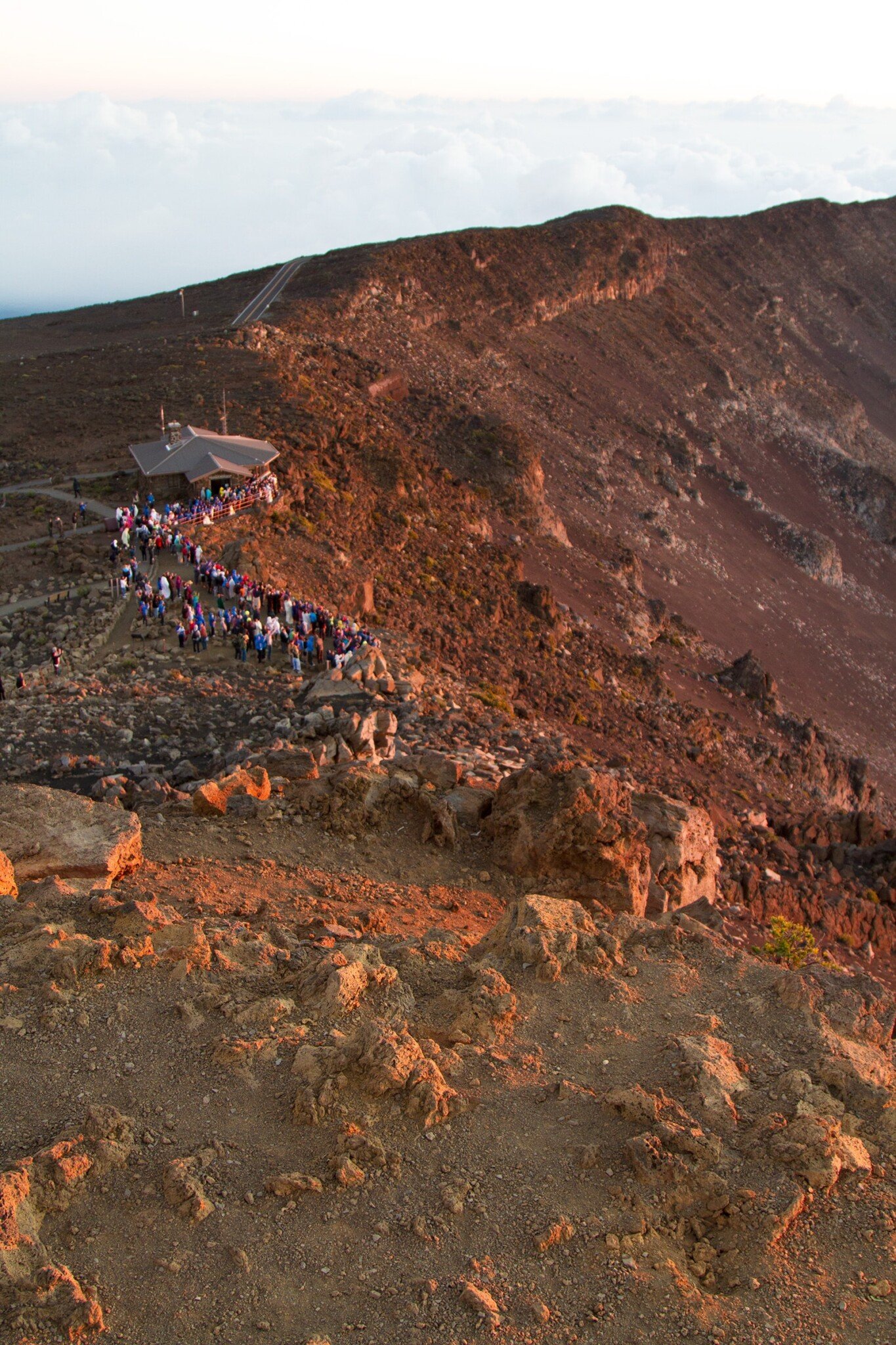
The area was — and still is — the center of ranching and farming on Maui, so it’s a perfect location if you want a unique, non-beach perspective on the island. It’s also the closest to the Haleakala Summit, so it’s a good place to stay overnight if you plan on heading there for sunrise.
While technically inland, Upcountry’s weather patterns resemble the windward side, with cooler temperatures and occasional cloud cover.
Price Range: 4-star and 5-star (starting at US$400/night/room)
Types of Lodging: Unique options
What We Love: This is a slower-paced part of the island. It offers unique experiences, such as visits to farms, distilleries, and ranches. It also provides a variety of outdoor activities, including hiking, hunting, horseback riding, and cycling. It is the closest to the Haleakala National Park (Summit district).
You can drive down the hill to the beach or to the town of Paia, or, in the opposite direction, to the island’s backside toward Kahikinui (recommended only if you have all-wheel drive and are an experienced driver).
Good To Know: There is no beach nearby, it can get pretty hot in the summer, and there is no fine dining
Who It’s Best For: Solo adult travelers, couples, wellness travelers, outdoor adventurers,
Classic Hotel: The Lumeria Maui is one of the best Maui resorts for adults looking to unplug. It is a perfect location halfway between Paia town and Makawao, so that you can enjoy the beach one day and the Upcountry the other.
If you plan to see Haleakala, read our Tips for Making the Most of Sunrise at Haleakala before heading out.
More Things To Consider When Choosing Where To Stay in Maui
Understand the Island Layout
Consider whether you prefer easy highways or scenic backroads, and whether proximity to major landmarks like Haleakala or Iao Valley matters to you.
Know the Cost of a Maui Vacation
Maui is one of Hawaii’s pricier islands. Budget at least $800 daily for two people (lodging, car rental, and meals). Prices rise during peak season, such as winter holidays, spring break, and summer.
Match Your Lodging to Your Itinerary
Decide if you value being near beaches, shops, hikes, or local restaurants. Maui hotels range from small historic inns to sprawling luxury resorts.
Consider the Season and Weather
Winter brings rain and cooler temperatures, while summer can be hot and crowded. Shoulder seasons (spring and fall) offer lower prices and fewer crowds.
Gauge Your Water Comfort
West and South Maui have calm, beginner-friendly beaches, while the waters around Hana, Paia, and Kapalua suit more experienced swimmers and surfers.
If you need help planning your trip, our Hawaii Vacation Planning service can pair you with local experts to craft a seamless, sustainable itinerary.
Frequently Asked Questions About Where To Stay In Maui
No—Hawaii does not have true all-inclusive resorts. Instead, plan a flexible Maui itinerary and explore local dining.
The Hana-Maui Resort is the main 5-star hotel, but there are smaller inns and rentals too.
Consider West Maui (Kaanapali or Napili) and South Maui (Wailea) because they have calm beaches and family-friendly resorts.
Wailea and Kapalua offer luxury and seclusion, while Hana and Upcountry are perfect for adventurous or off-grid couples.
For convenience and easy beach access, choose Kaanapali or Wailea. For a quieter or cultural stay, try Upcountry or Wailuku.
Local And Hawaiian Food To Know
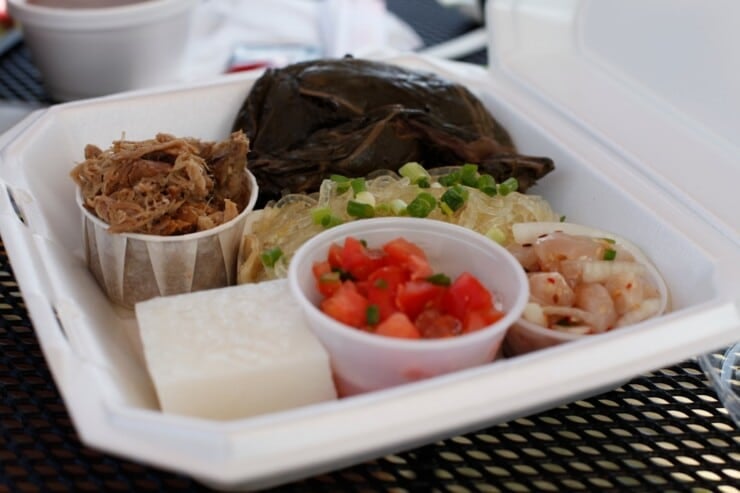
Now that you know where to stay in Maui, read up on local and Hawaiian food dishes to try when you visit. From traditional Hawaiian foods like poi and lomi lomi to local comfort foods like saimin and farm-to-table cuisine, there is a wealth of options to enjoy!

Recipes Inspired By Hawai’i
Not heading to Hawaii quite yet? Here are a few of our favorite local Hawaiian recipes to make at home to stoke your wanderlust:
Hawai’i Travel Guide
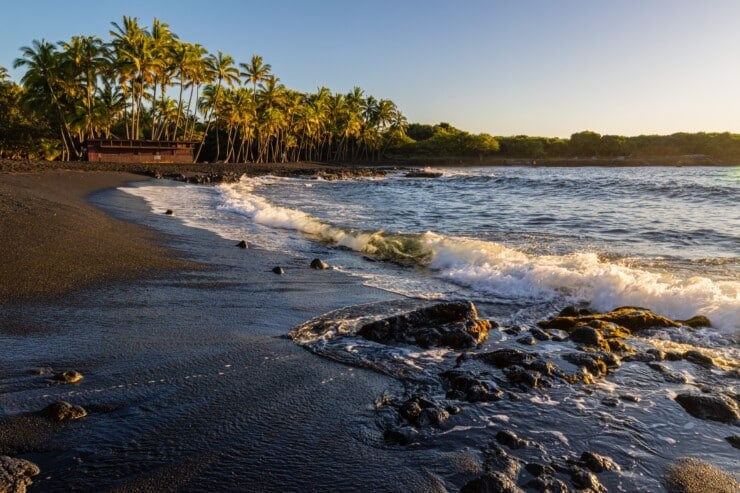
Looking to travel to the Aloha State soon? Check out our Hawai’i travel guide with tips for where to eat, where to stay, and what to do across the islands.
Have Us Plan Your Hawai’i Trip
Did you know that we’re also a boutique travel agency specializing in Hawai’i vacation planning? If you’re looking to plan a trip to Hawai’i, our Hawaii vacation planning services are here to help you plan your perfect itinerary.
Photo Credit: Four Seasons Maui Resort photos and Montage Kapalua photos courtesy of the hotels; all other photos by Team Salt A& Wind Travel