🔑 Quick Answer: “Provence” technically refers to Provence-Alpes-Côte d’Azur (PACA), a large administrative region in southeastern France. But historically and culturally, the heart of Provence is Roman cities, lavender plateaus, vineyards, olive groves, and the Mediterranean coast west of the Riviera. This is its own world, distinct from the French Riviera (Côte d’Azur) and the southern Alps that share its administrative region. This guide focuses on that Provençal heartland: how it’s organized, when to go, and what to skip.
Key Takeaways
- The lavender-fields-and-rosé postcard vibes are real, but just a sliver of the region. Provence is also Roman history, the Camargue's wetlands, the limestone Calanques, Mont Sainte-Victoire, artisan workshops, and reds, whites, and rosé wines alike.
- A car is essential for the countryside (the Luberon, Alpilles, lavender country, and the mountains); trains work well between bigger cities like Aix, Avignon, and Marseille.
- Summers run hot from June into early fall. Late May to early July and September are the sweet spots, though the mistral wind can chill even a sunny day.
Provence, France, is the place that made a die-hard Italy planner consider switching allegiance, and I’d know, because that planner was me. As in, I genuinely thought about throwing in the proverbial Italian towel for a French one. After a decade living in Italy and years planning trips there, I’d gone to the South of France on a whim, alone, for three weeks, and that was all it took.
It started in Paris, which I fell for in about 15 seconds. From there, town by town through the south, I swooned over the food and the traditions until France stopped feeling like a holiday and started feeling like where I was meant to be. By the time I got home, I wasn’t just daydreaming. I was making a plan.
And I mean a real one: Provence first, then slowly north to Paris, living a few months in each place. I even started planning trips to France for clients. But right in the middle of plotting my big move, I fell for something else: an Italian.
The move never happened, but my love for France never faded. My now-husband knew it, so when he proposed, he did it in the lavender fields of Valensole. We then spent days wandering the departments, and watching this former France-skeptic come around to Provence himself only deepened my own soft spot for the region.
Why I Love Provence, France
For many travelers, Provence is the natural next step after Tuscany, and it tracks. The two regions are like sisters as they both have deep Roman history, rolling countryside, olive groves, exceptional food, world-class wine, stunning villas, and impossibly pretty villages.
They also share a problem: travelers over-romanticize them. For Tuscany, it’s a cypress-lined road and a glass of Chianti at a hilltop villa. For Provence, it’s a woman in a flowy dress and sun hat, drifting through a lavender field with a glass of rosé. Those exist in both places, but they’re a small piece of a much bigger pie.
Provence is the oldest continuously settled area of France, so it has an enormous range of Greek, Roman, and French history. The landscape varies from the wetlands of the Camargue to the white cliffs of the Calanques to the slopes of Mont Sainte-Victoire. You can hike, cycle, fish, sail, SCUBA dive, or go horseback riding. The wine breaks its own cliché, running from rosé to crisp whites to the serious reds of Châteauneuf-du-Pape. And the towns stretch from cities like Marseille and Aix-en-Provence to tiny perched villages like Gordes and Lourmarin.
That breadth can also be problematic, and you can’t do it all justice in a single trip. A region this big is a lot to take in at once, so I break it down by department, the way it’s organized on the ground. Each one has its own landscapes, cuisines, and character, and they’re the building blocks you can use to plan your trip.
Provence Is a Way of Life, Not Just a Place
Provence is less a spot on the map than a way of living, the way “Aloha” is really shorthand for a whole Hawaiian rhythm. It’s a distinct culture inside France, and for centuries people have come here to be inspired or restored. The artists and writers who fell under its spell run from the poet Petrarch, who wrote at Fontaine-de-Vaucluse in the 1300s, to Van Gogh in Arles and Cézanne in Aix, to Nobel laureate Frédéric Mistral, who devoted his life to the Provençal language.
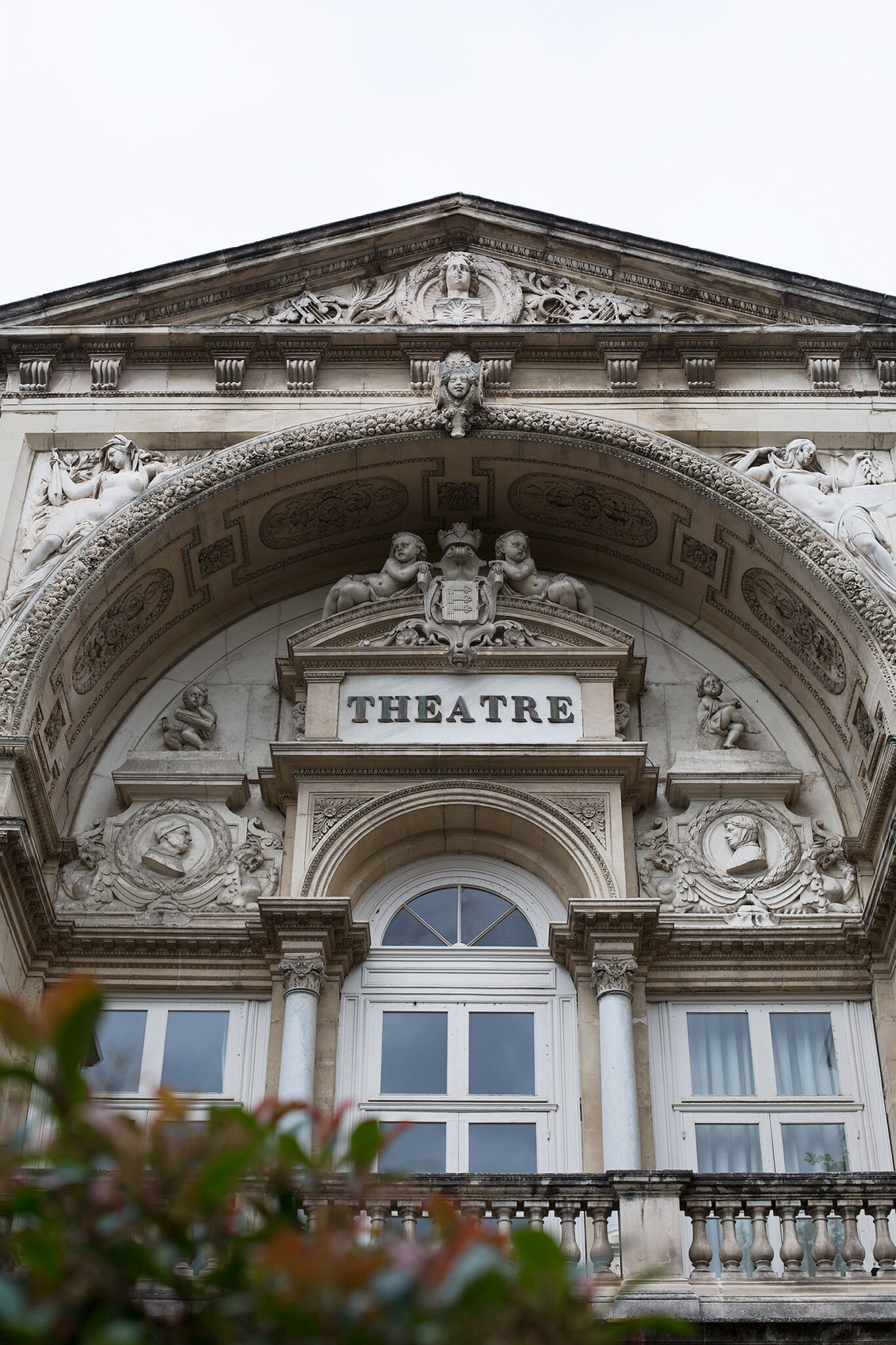
That creative pull hasn’t faded: every summer the region fills with festivals, from Avignon’s world-famous theater festival to opera in the Roman theater at Orange. Others come simply to be rejuvenated by the light, the old thermal-spa towns, and some of the most beautiful nature in France.
What ties it all together is pace. Life here runs slower than in Paris or Lyon: lunches stretch for hours, and in high summer the afternoons all but shut down for a siesta while the heat peaks. That rhythm is the point, not an inconvenience to plan around.
It’s also big. Like California, you can’t see all of Provence in one trip, and you shouldn’t try. The move is to choose an area, or maybe two, and give yourself over to it. Between the classic Provençal way of life and the modern makers, chefs, and creatives working here now, Provence rewards you for traveling slower and with more intention. That’s the whole philosophy behind this guide, and behind the trips we plan.
Why Trust Us With Provence
Salt & Wind Travel has been planning custom travel itineraries to France since 2015, and the South of France is a primary destination for our clients. We’ve built more than 60 trips here and go back regularly (most recently, our founder Aida was there in April 2026) to keep our recommendations fresh rather than recycled.
One of our advisors lives in Provence full-time and pairs our clients with the local artisans and small producers that most visitors never meet. That is how we get clients past the greatest-hits version of Provence and into the one that actually fits their unique perspective.
And because Provence is as much a wine region as a scenic one, it helps that I hold a WSET Level 2 wine certification, so the rosé and vineyard recommendations come from a trained palate rather than a press kit. In short, this advice comes from our own planning work and our own time on the ground, not from a search engine.
What “Provence” Really Means: Provence vs. the Riviera and the Alps
On a map, “Provence” usually refers to Provence-Alpes-Côte d’Azur (PACA), the official administrative region in southeast France, comprising six departments. That’s the modern, on-paper reality, and it’s handy for logistics. But it folds together three places locals have long seen as separate worlds:
- Historic Provence: The heartland of Roman cities, lavender plateaus, olive groves, vineyards, perched villages, and the Mediterranean shore west of the Riviera. This is the Provence of Cézanne, Van Gogh, and the markets, and what most people picture when they say Provence.
- The Côte d’Azur (the French Riviera): The glamorous coast around Nice, Cannes, and Antibes. It sits within PACA, but culturally and historically it’s its own thing (the area of Nice didn’t even join the French state until 1860).
- The southern French Alps: The high-mountain country up toward Briançon and the Écrins, historically tied to the old province of Dauphiné.
This guide focuses on historic Provence, and within it, four of PACA’s six departments do the heavy lifting. Each home to the sub-regions you’ve probably heard of: the Luberon, the Alpilles, the Camargue, and the Verdon.
We cover the Riviera and the Alps more briefly further down, and point you to our dedicated guides, because each really deserves its own trip. (Zooming out, our South of France guide shows how the whole region fits together.)
Provence at a Glance: The Six Administrative Departments of PACA
| Department | Known for | Main hub | Car needed? | Best for |
|---|---|---|---|---|
| Bouches-du-Rhône | Aix elegance, Arles' Roman sites, the Camargue, the Calanques | Marseille / Aix | Helpful | First-timers wanting the most variety from one base |
| Vaucluse | Luberon hilltop villages, lavender, and Châteauneuf-du-Pape wine | Avignon | Yes | Couples and food & wine lovers after "postcard Provence" |
| Var | Saint-Tropez, rosé country, olive oil, the Golden Islands | Toulon / Hyères | Yes | Couples and friend groups wanting coast plus wine, fewer crowds |
| Alpes-de-Haute-Provence | Valensole lavender, Verdon Gorge, mountain villages | Manosque | Essential | Active travelers and couples after rural, dramatic scenery |
| Alpes-Maritimes | Nice, Cannes, the Riviera, hilltop art villages | Nice | Helpful | First-timers and couples wanting glamour, art, and coastline |
| Hautes-Alpes | Alpine peaks, Écrins National Park, Serre-Ponçon lake, skiing | Gap | Essential | Adventure-seekers and active travelers; families in summer |
Discover The Heart of Historic Provence, France
We’ve laid out the departments as a loose journey rather than an alphabetical list: from the coastal, Rhône-delta heart of Bouches-du-Rhône inland through the Luberon (Vaucluse) and up into the lavender highlands of Alpes-de-Haute-Provence, then back to the southeast coast in the Var, before the two PACA edges, the Riviera and the Alps. Ready? C’est parti!
Bouches-du-Rhône: Marseille, Aix, Arles & the Camargue
Bouches-du-Rhône (pronounced “Boosh-doo-Rone”) is the Mediterranean heart of Provence and its most varied department, running from the port of Marseille across the Alpilles hills to the wild Camargue delta.
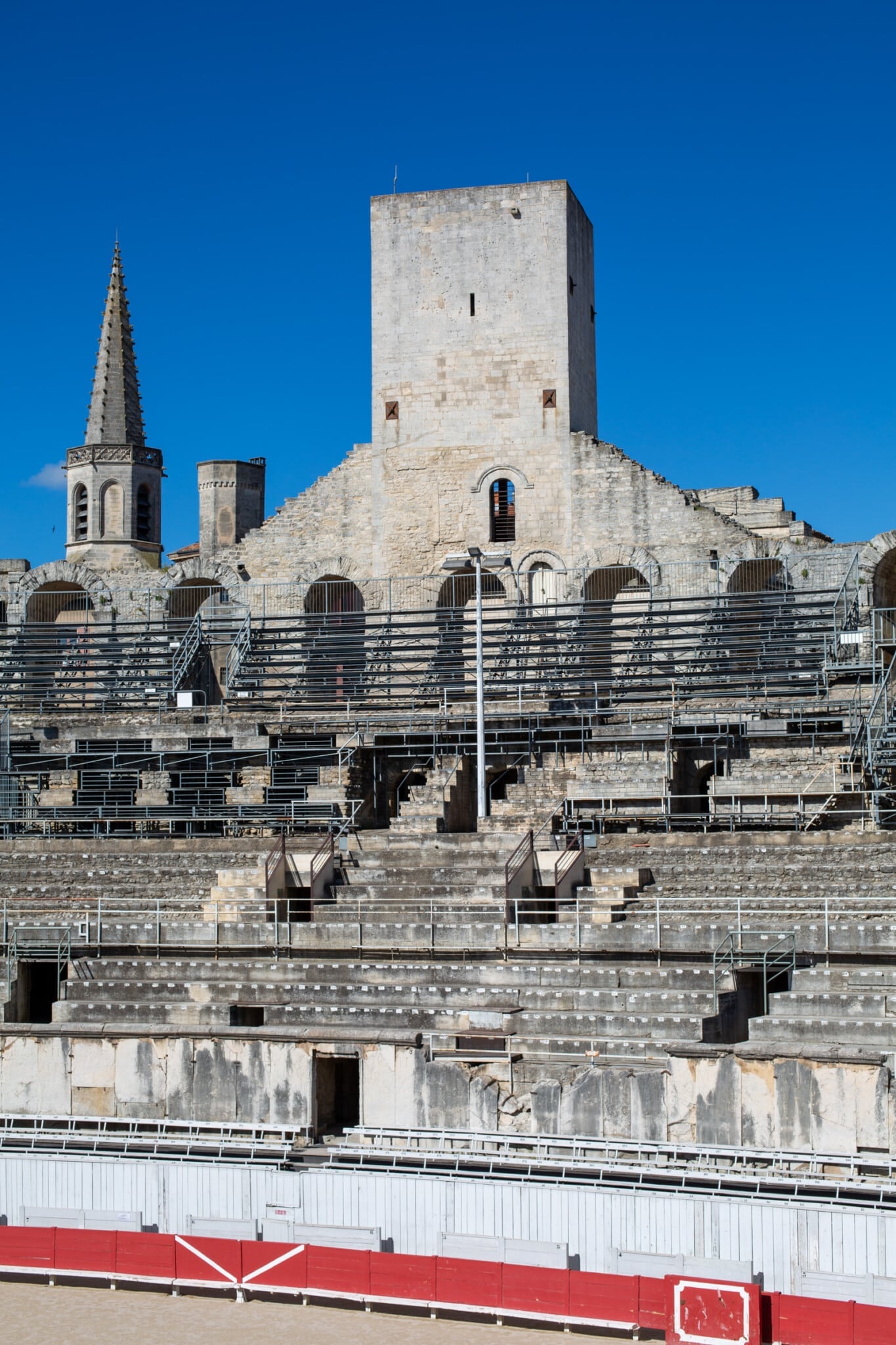
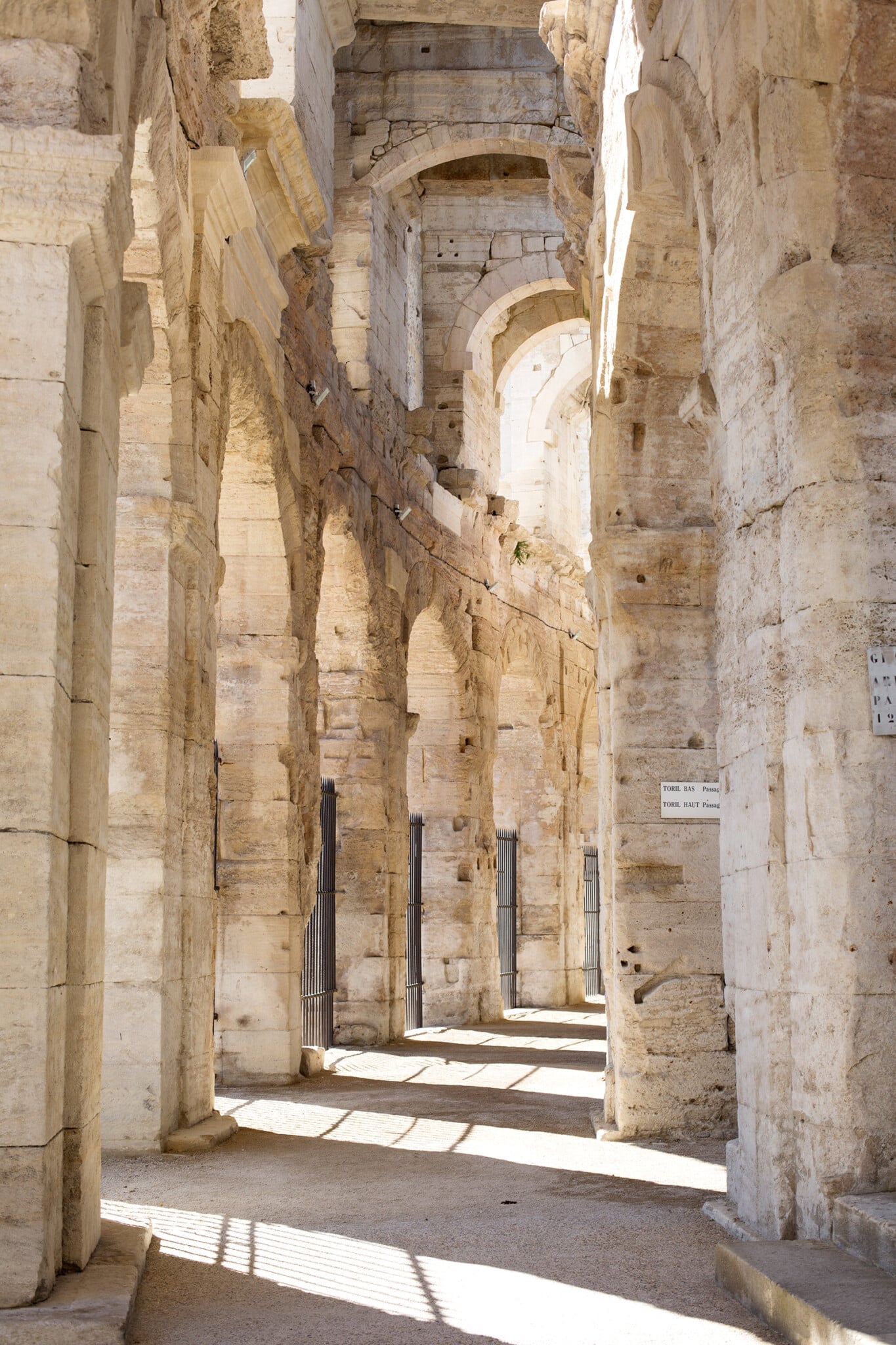
It’s the oldest continuously settled corner of France: Greek sailors founded Marseille around 600 BCE, and the Romans made Arles one of the great cities of Gaul, whose 2,000-year-old arena still hosts summer concerts.
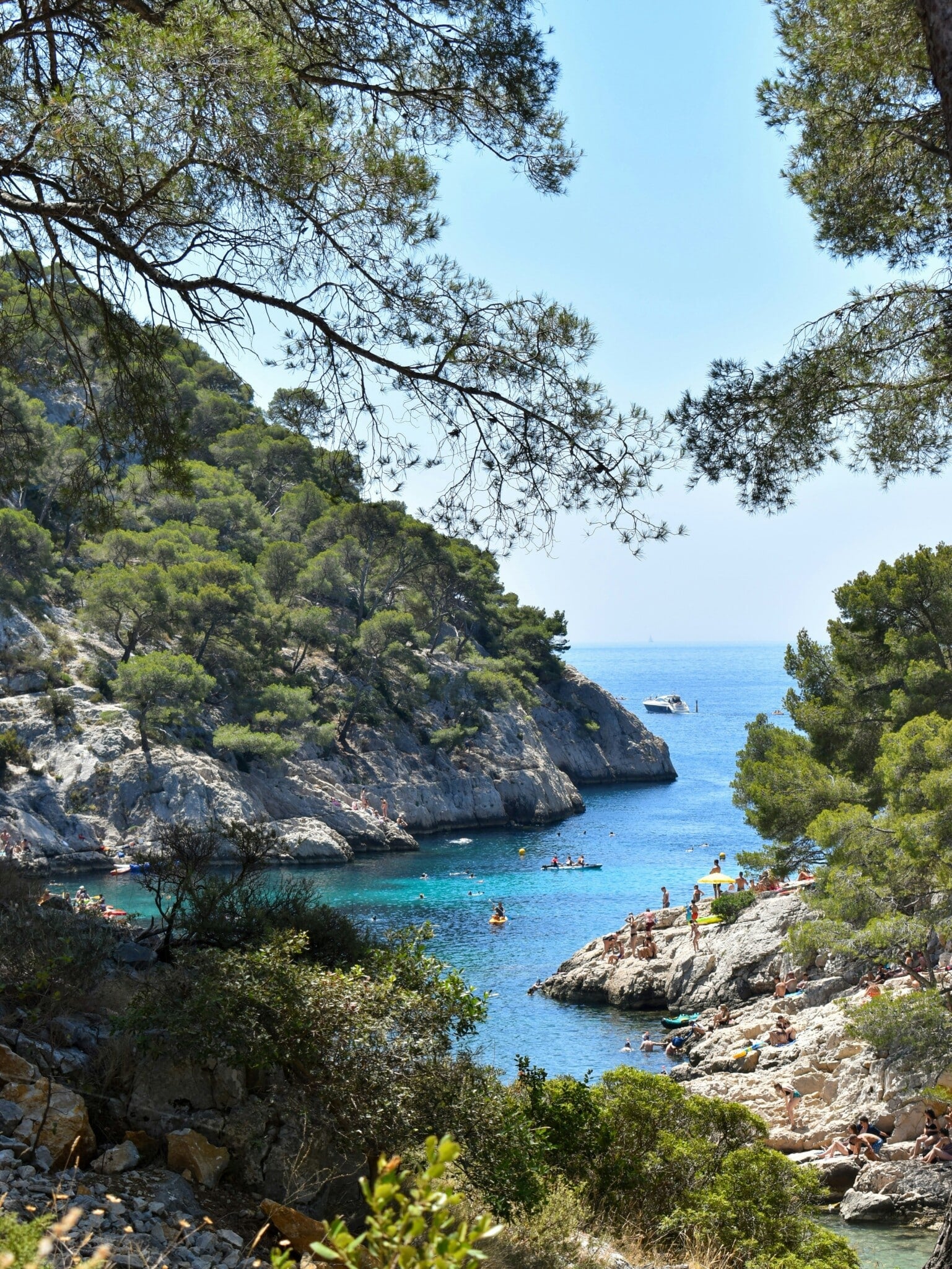
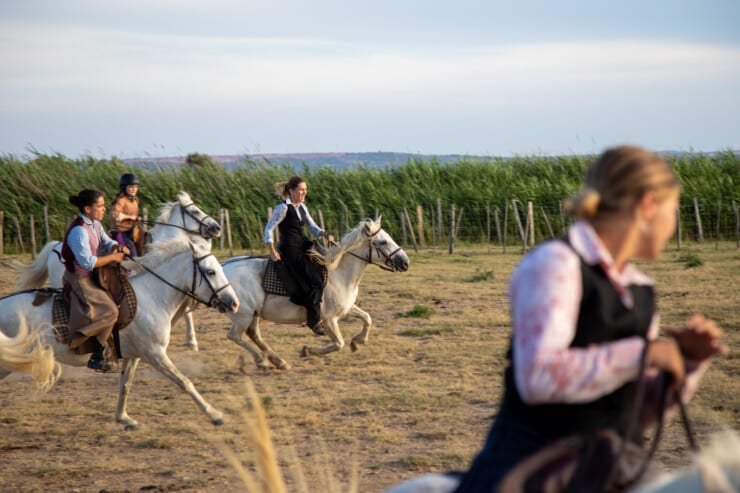
Centuries as the Mediterranean’s gateway layered French, Italian, North African, and Middle Eastern influences into a culture you can taste in a single bowl of bouillabaisse. It’s best known for elegant Aix-en-Provence, Roman Arles, the Calanques’ cliffs, and the flamingos and white horses of the Camargue.
What makes it special
No other department offers this much variety from one base, which is why it’s our go-to for first-timers who don’t want to repack every two nights.
It’s also where Provence wins at luxury (we place clients in grand townhouses like Villa Gallici in Aix and Relais & Châteaux landmarks like Baumanière beneath Les Baux).
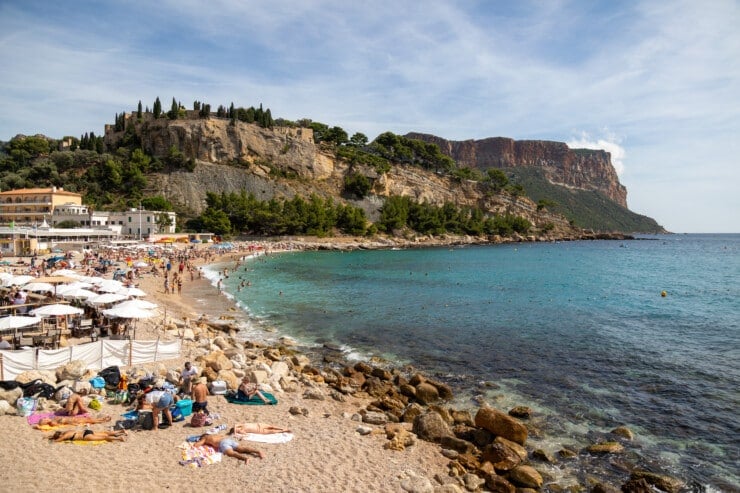
And hidden in the Calanques National Park near Cassis is the Cosquer Cave, one of the world’s great prehistoric art sites, whose painted horses, bison, and even seals and auks were sealed away when the sea rose; you can see it all today in a full-scale replica at the Cosquer Méditerranée museum in Marseille.
Major cities & towns.
- Marseille: France’s oldest, grittiest-glorious city, home of bouillabaisse and gateway to the Calanques.
- Aix-en-Provence: Elegant boulevards, the Cours Mirabeau markets, and Cézanne’s landscapes; our favorite first-timer base.
- Arles: France’s finest Roman monuments and Van Gogh’s light, with the Michelin garden table La Chassagnette nearby.
- Saint-Rémy-de-Provence: The Alpilles base we book most often for couples, with markets and Van Gogh’s Saint-Paul-de-Mausole.
- Les Baux-de-Provence: A dramatic clifftop village famous for the Carrières des Lumières light shows and panoramic views.
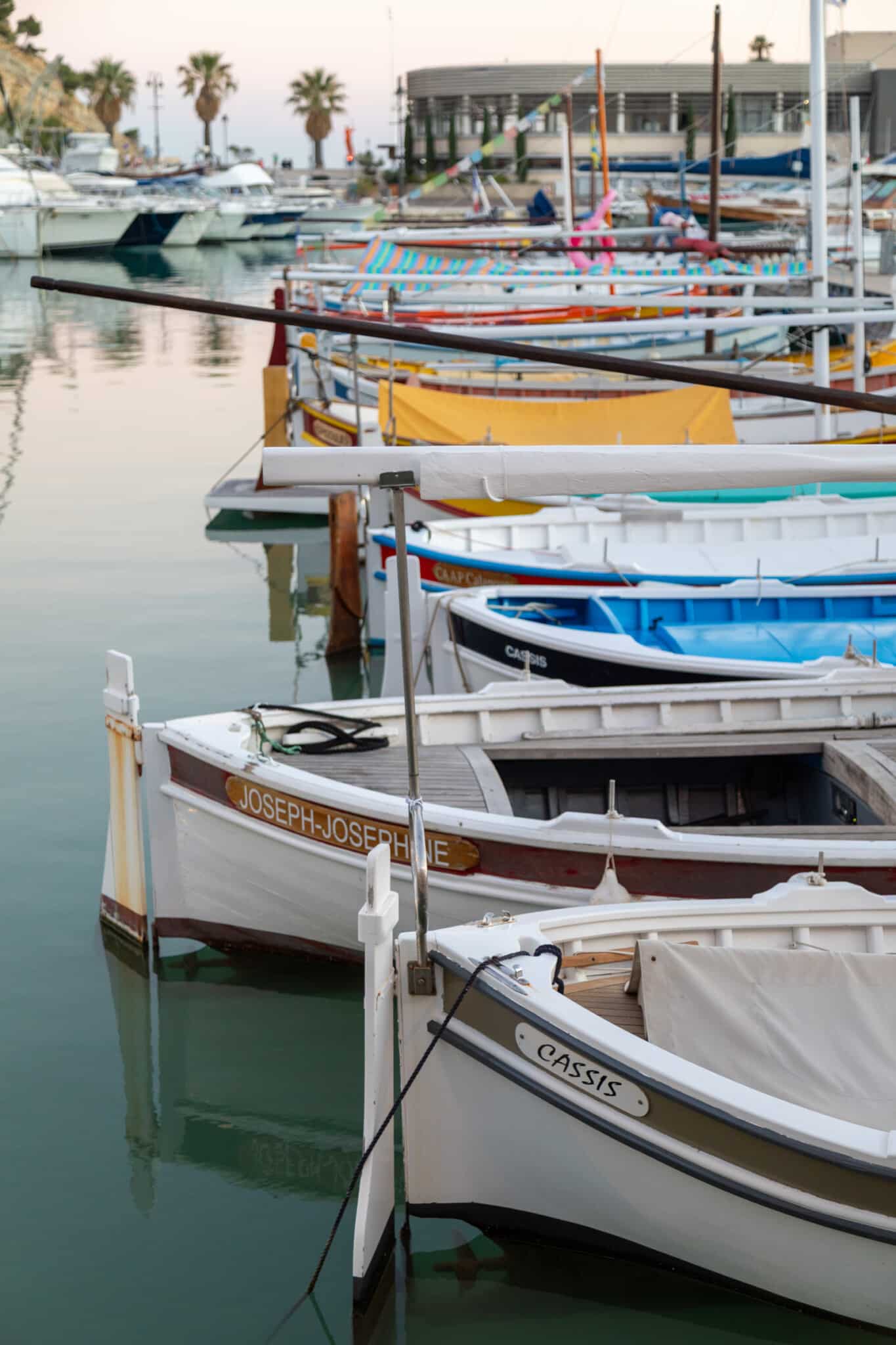
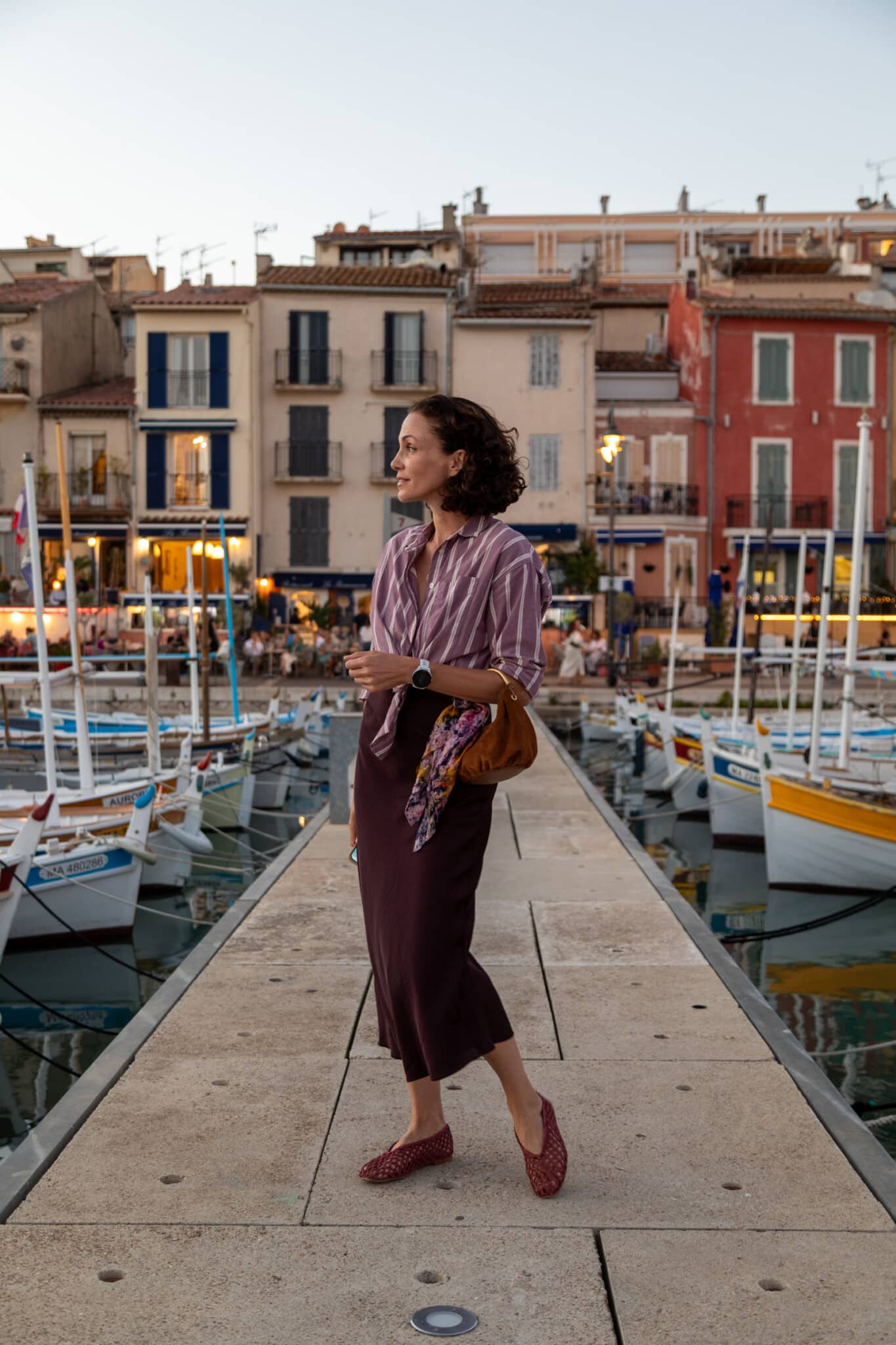
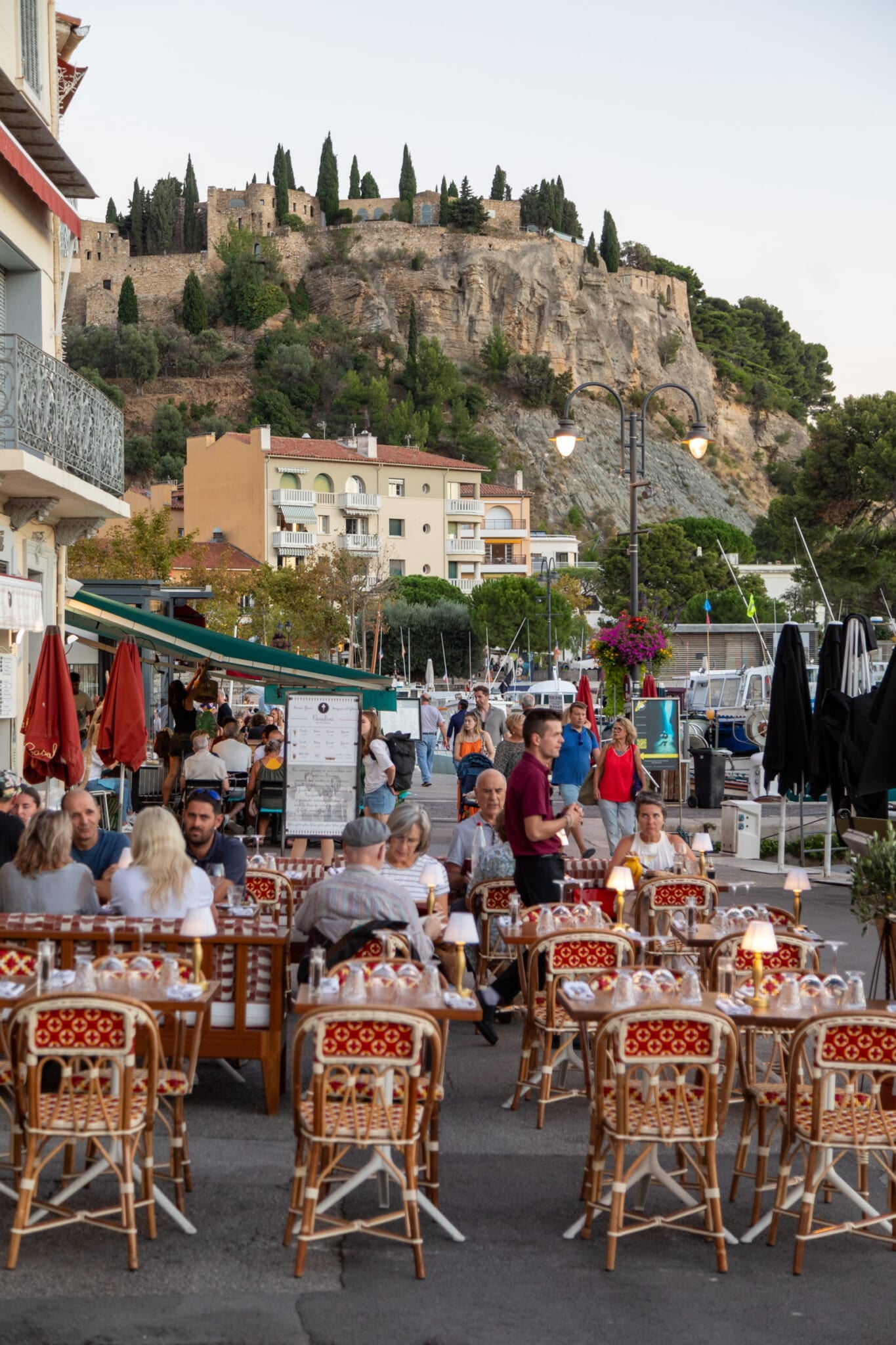
- Cassis: The prettiest harbor town for the Calanques (and known for its own crisp white wine).
How to get there.
Marseille is the hub: TGV from Paris in about 3 hr 15 min, with Aix roughly 3 hours from Paris (or 30 minutes from Marseille by local train) and Arles about an hour from Marseille. Rent a car for the Alpilles and the smaller villages; the A7 links the department to Paris and the north.
Vaucluse: The Luberon, Avignon & Châteauneuf-du-Pape
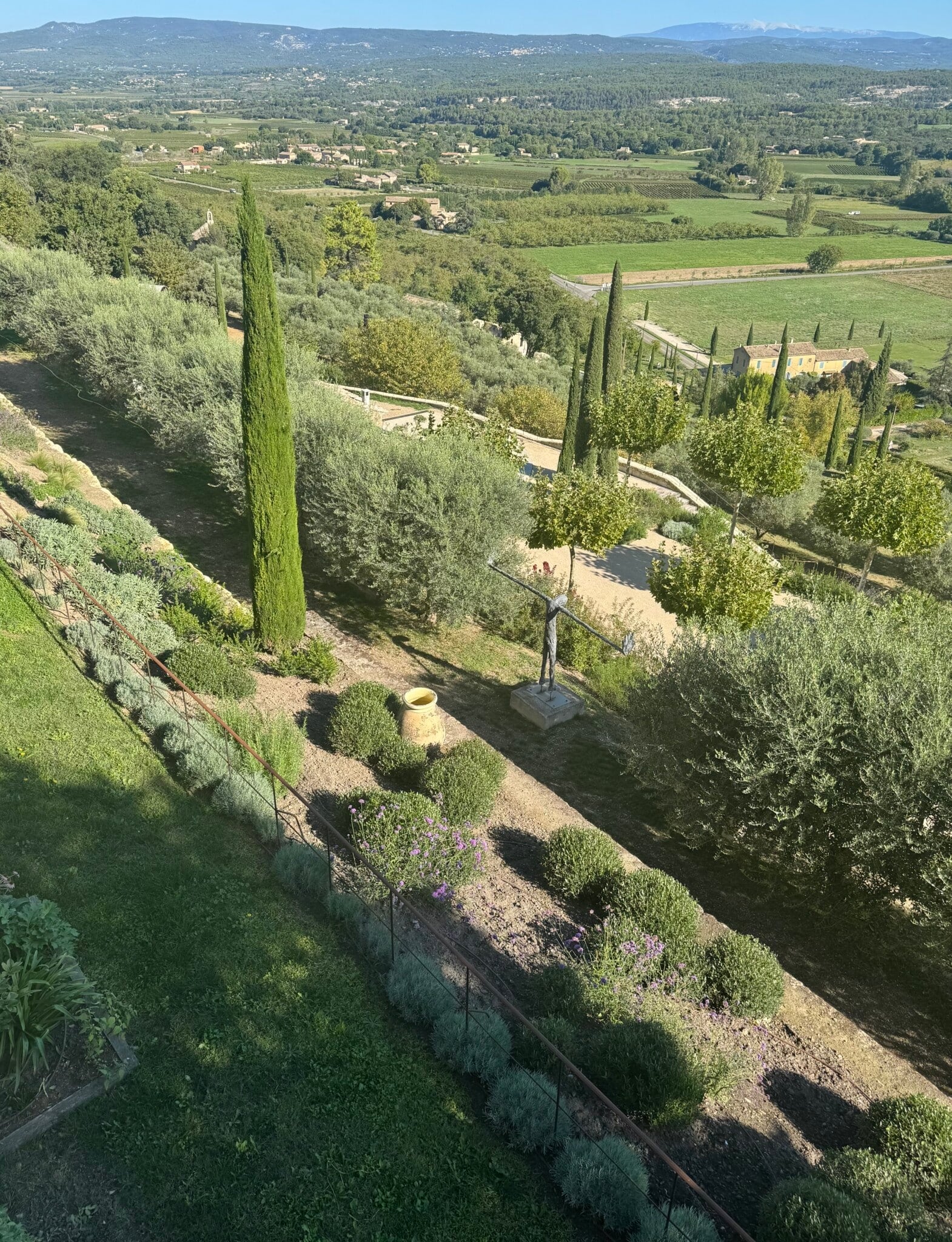
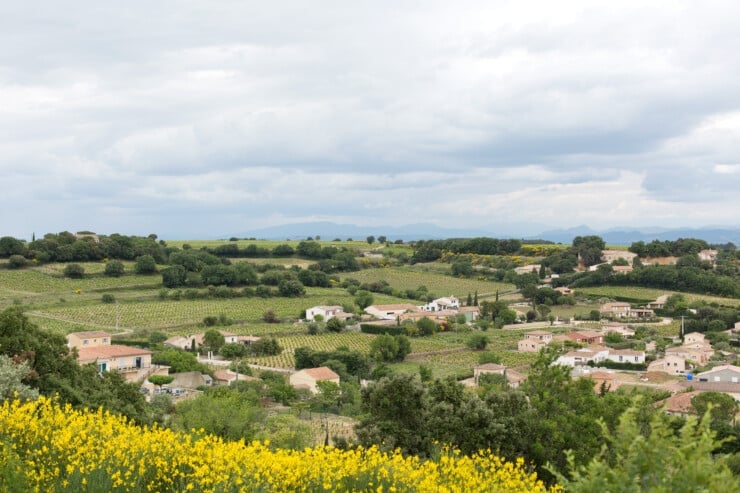
Vaucluse (pronounced “Voh-clooz”) is the Provence most travelers picture before they arrive: hilltop villages, lavender, vineyards, and weekly markets, much of it folded into the Luberon.
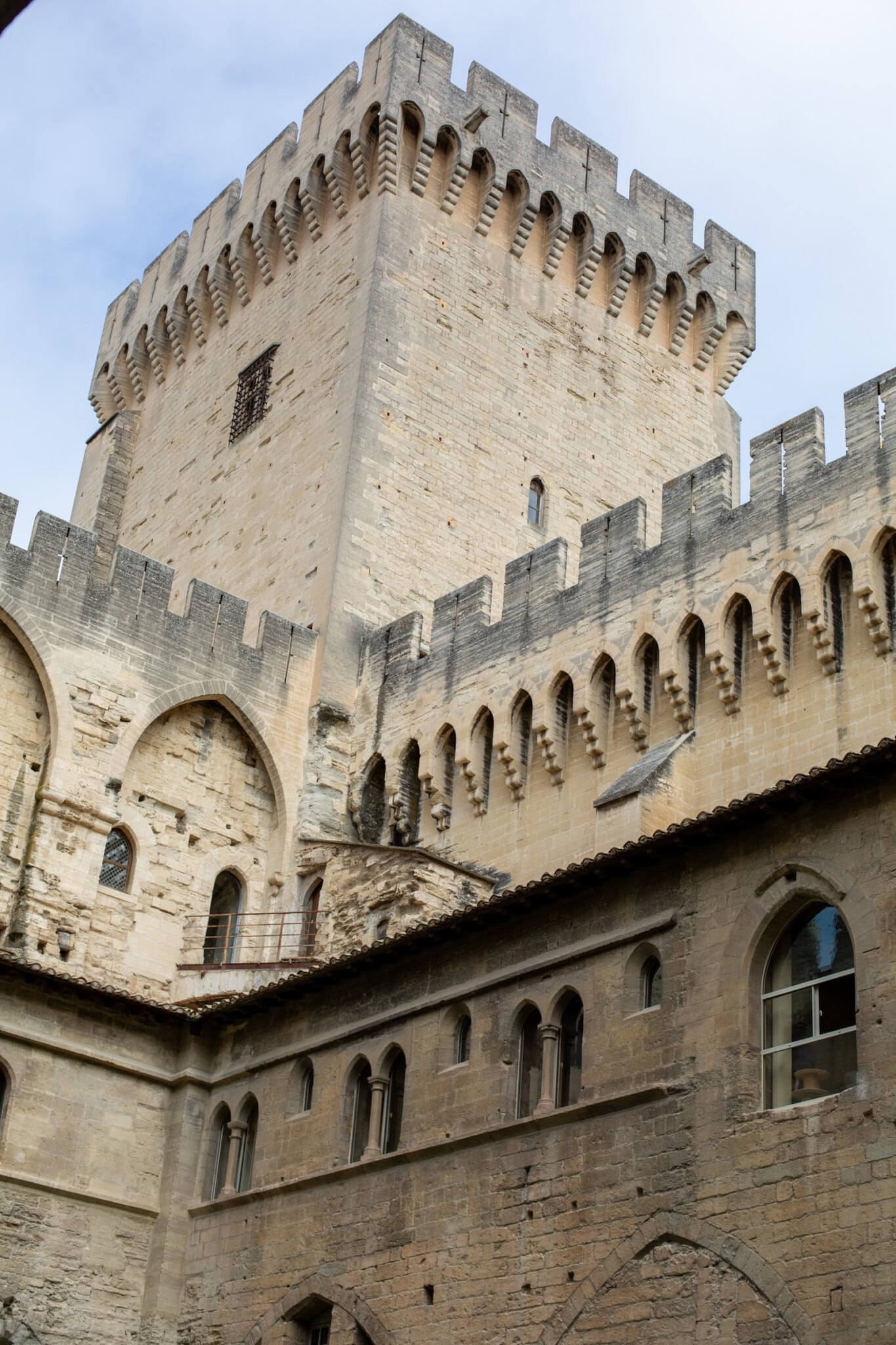
Two forces shaped it, and you feel both. The Romans left Orange one of the best-preserved theaters anywhere (still used for opera under the stars each summer), and the popes decamped from Rome to Avignon in the 1300s, building the largest Gothic palace in Europe to make the point.
All that papal money and those fertile valleys are also why this corner takes its wine so seriously: Châteauneuf-du-Pape literally means “the pope’s new castle.”
What makes it special
I have a real soft spot for this corner, and it’s postcard Provence done right: the place to upend the idea that the region is only about rosé. Wine lovers can explore Châteauneuf-du-Pape, one of France’s most celebrated appellations and serious red-wine country (a full Côtes du Rhône wine guide is coming soon).
Vaucluse is also the launch pad for one of our favorite wine journeys: following the Rhône Valley north, from Châteauneuf up through the steep syrah terraces of the northern Rhône, to Lyon and on into Burgundy. We love that route in late spring, or best of all in fall during harvest, when the cellars are working, and the light goes golden, and it’s a trip we’re always happy to plan.
Looming over it all is Mont Ventoux, the bald “Giant of Provence” that Tour de France riders dread and Petrarch climbed back in 1336.
Major cities & towns
- Avignon: The walled papal city and the department’s hub, with the Palais des Papes, is one of my favorite places in southern France.
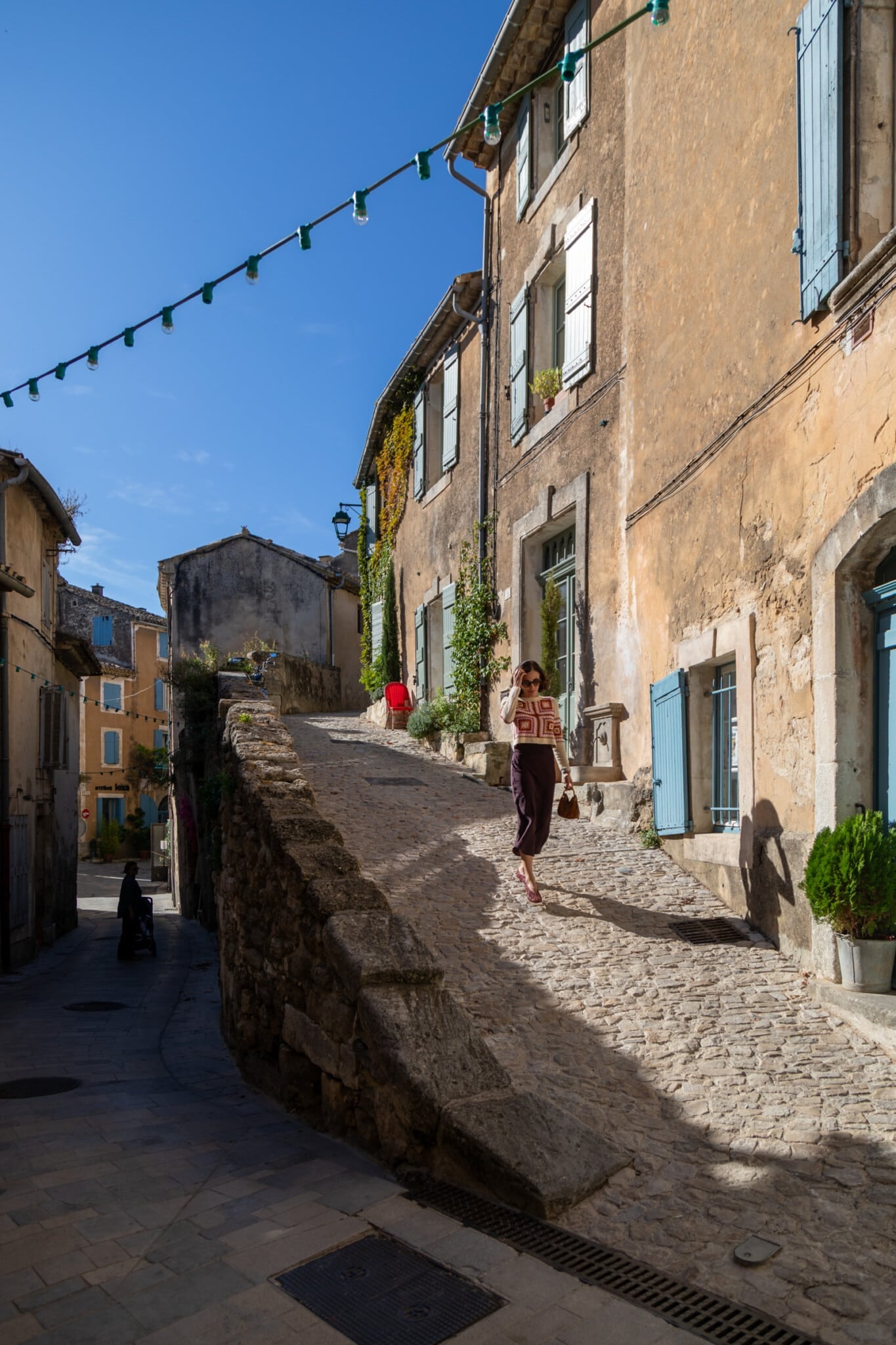
- Gordes: The iconic perched village, rising dramatically above the Luberon.
- Isle-sur-la-Sorgue: A canal town home to one of Europe’s biggest antiques markets.
- Roussillon: Famous for its ochre cliffs and red-gold stone houses.
- Lourmarin: The Luberon base we steer most couples to (a dedicated Luberon Villages guide is on the way).
- Orange: Home to one of the best-preserved Roman theaters in Europe.
- Châteauneuf-du-Pape: The legendary red-wine village, vineyards, and all.
How to get there
Avignon is the gateway: TGV from Paris in about 2 hr 40 min. Most visitors rent a car there to reach the countryside and villages; the A7 gives easy access throughout the Luberon and Rhône Valley.
Alpes-de-Haute-Provence: Valensole Lavender & the Verdon Gorge
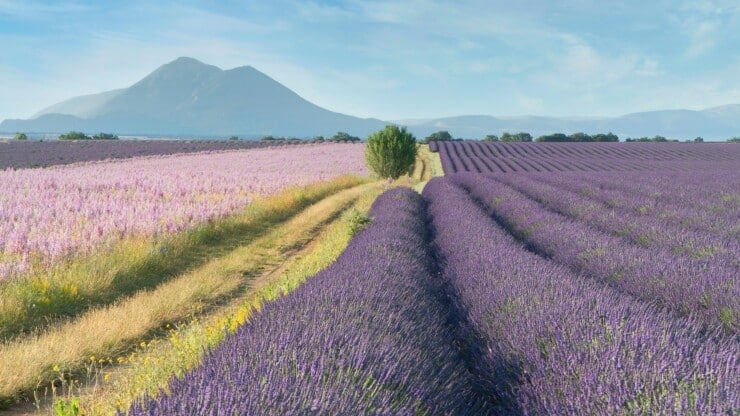
Alpes-de-Haute-Provence (pronounced “Alp duh Oat Pro-vahnce”) is Provence at its most rural and dramatic. Despite the “Alpes” in its name, this is historic Provence: high, inland “Haute-Provence” (Forcalquier, Digne, Valensole, the Verdon), not the Dauphiné Alps of neighboring Hautes-Alpes.
This high, remote corner stayed poor and pastoral while the coast grew rich, and that isolation is exactly its charm now: lavender, sheep, and stone villages that never got resort treatment. It’s best known for the Valensole lavender plateau and the Verdon Gorge, the “Grand Canyon of Europe.”
What makes it special
Vast lavender and sunflower fields, mountain scenery, and outdoor adventure replace glamorous resorts and crowded centers, and it’s easy to find a quieter base (though anywhere near Valensole will be busy in lavender season, at its peak roughly July 1 to 15).
This is the department where I got engaged, so I have a soft spot for its wild, rugged countryside and the historic villas that pepper it. Don’t skip the sheep’s-milk cheese; it’s one of those quiet, only-here pleasures that tells you more about the place than any monument.
Major cities & towns
- Valensole: The lavender plateau, one of the world’s most famous lavender-growing regions.
- Moustiers-Sainte-Marie: Widely considered one of France’s most beautiful villages, and the natural base for the Verdon.
- Manosque: Market town and home of the L’Occitane factory, which you can tour.
- Digne-les-Bains: The spa-and-lavender town at the department’s heart.
- Castellane: The gateway to the Verdon Gorge.
How to get there
There’s little rail service here, so most visitors arrive via Aix-en-Provence or Avignon and continue by car. Driving is essential for the villages, the lavender fields, and the gorge.
Var: Saint-Tropez, Rosé Country & the Golden Islands
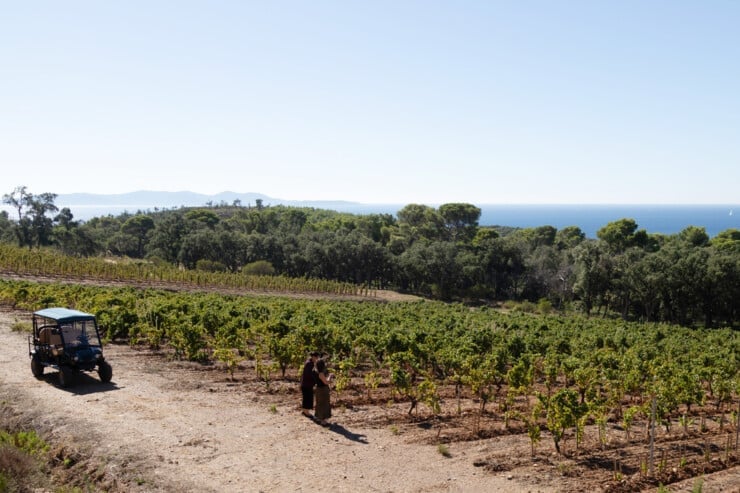
The Var (rhymes with the English word “far”) is best known for Saint-Tropez, Côtes de Provence and Bandol wine, and the Golden Islands off Hyères.
Toulon has been France’s Mediterranean naval base for centuries, and away from the navy, this has always been farm and fishing country, which is good news for travelers: it’s rosé heartland and home to some of the best olive oil in France.
It is also home to swanky Saint-Tropez, which, frankly, is too touristy and sceney for most of our clients’ liking. But you can explore the Mediterranean beyond the Saint-Tropez circus: umbrella pines, the smell of sea salt, and sandy beaches with room to actually lie down. The rest of the region sees fewer crowds than its neighbors, yet still offers beautiful beaches, lovely resorts, charming villages, and excellent wineries.
What makes it special
Some of our very favorite Provence wines come from right here, from easy Côtes de Provence rosé to the structured, age-worthy reds of Bandol, and the wine country is stitched together by lovely little villages like Bormes-les-Mimosas that make characterful bases between cellars; we can often open doors at the smaller domaines through our local sommelier contacts.
There’s drama on the coast, too: from near Bormes you can glimpse Fort de Brégançon, the French president’s summer residence, on its own little island, and eastward the Estérel massif drops in red-orange cliffs straight into the sea. One practical heads-up: in high summer, many of the Var’s forests and coastal massifs close to hikers on high fire-risk days, so check the local prefecture notices (or the FOSIVA app) before you set out.
Major cities & towns
- Saint-Tropez: Still one of the world’s most famous resort towns, with real charm in its historic center away from the marina.
- Toulon: The naval city and the department’s main rail hub.
- Hyères: The jumping-off point for the Golden Islands (Îles d’Hyères), especially Porquerolles.
- Bormes-les-Mimosas: A flower-draped village in the heart of wine country, near Fort de Brégançon.
- Fréjus: A Roman town on the coast toward the Estérel.
How to get there
Toulon is the rail hub, reachable from Paris by TGV in about four hours. A car is the way to explore: the A8 motorway connects the department to both Marseille and Nice.
For where to stay and how to plan your days, see our complete Provence travel guide.
The Edges of PACA: The Riviera and the Alps
Two of the region’s six departments sit just outside historic Provence. They are culturally and historically their own worlds, even if they share the PACA label. Here’s how they fit, and where to read more.
The French Riviera (Alpes-Maritimes / Côte d’Azur)
Nice, Cannes, Antibes, Menton, and the perched art villages of Èze and Saint-Paul-de-Vence, with glamorous beaches, world-class museums (Matisse, Chagall, Picasso), and a coast that’s been a luxury playground since the 19th century.
It runs at a different rhythm from inland Provence: more energetic, more glittering. Because it deserves its own deep dive, we cover it separately in our Nice travel guide and South of France guide.
The southern French Alps (Hautes-Alpes)
Big peaks, glacial valleys, the Écrins National Park, and Lac de Serre-Ponçon, with Briançon’s UNESCO Vauban ramparts up top. Historically part of Dauphiné rather than Provence, this is alpine country: hiking, rafting, and skiing rather than village-hopping.
Where to Base Yourself (and a Sample Route)
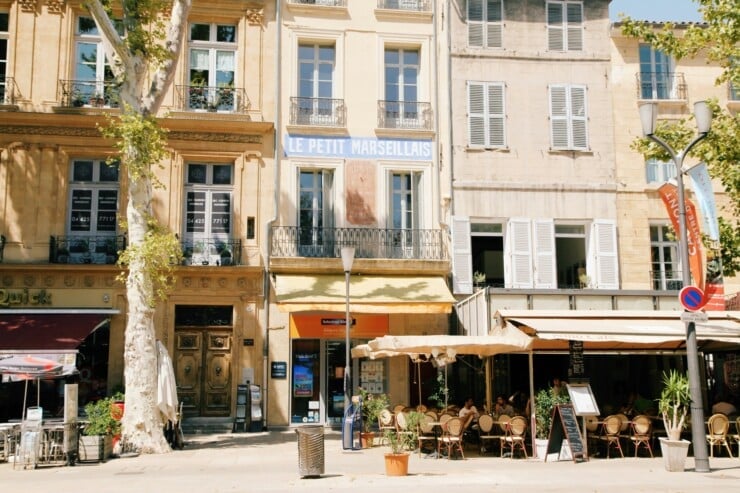
For a 7-to-10-day trip to Provence, France, the smart move is to pick two bases: one inland (the Luberon, in Vaucluse, for villages, markets, and lavender) and one for either the coast (Var) or the Alpilles (Saint-Rémy, Les Baux). Aix-en-Provence makes an easy third for city time.
If you want the glamour of the coast or the drama of the mountains too, add Nice for the Riviera or Gap and Briançon for the Alps as a separate leg rather than trying to fold them into a single loop.
If it’s your first time, an easy 101 is to base in what’s often called the Golden Triangle, the area bounded by Arles, Avignon, and Aix-en-Provence. It packs in many of the region’s most famous heritage cities and keeps your drives short. That’s a great start, but it’s only a start — we can advise you on how to do it in the best way for your interests.
Where to stay, by area
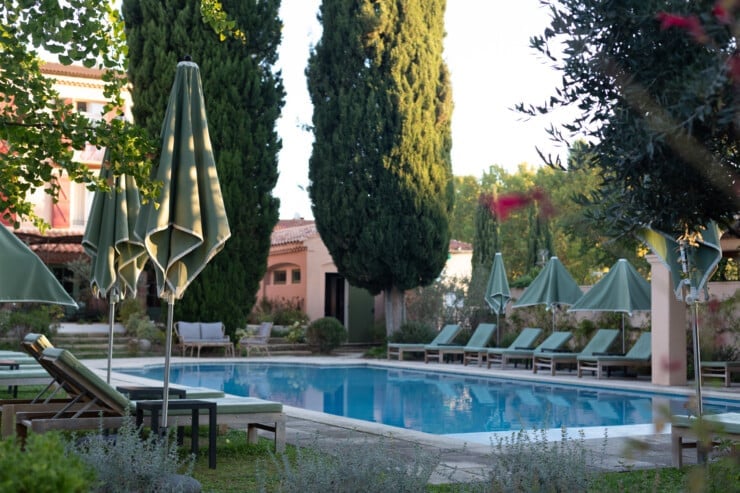
We’ve personally stayed or booked clients in several of these hotels, including La Mirande, Le Pigonnet, and Villa Gallici, so those picks come from real stays, not just research. Rates vary by season, but here is a starting point for each property. If you want access to our various hotel perks like upgrades, credits, and more, get in touch, and we’ll book these for you!
| Area | Hotel | From (per night) | URL |
|---|---|---|---|
| Luberon | La Bastide de Gordes | ~$700 | https://airelles.com/en/destination/gordes-hotel |
| Luberon | Capelongue (Bonnieux) | ~$400 | https://www.beaumier.com/en/properties/capelongue-hotel/ |
| Luberon | Coquillade Provence (Gargas) | ~$350 | https://coquillade.fr/en/ |
| Avignon / Alpilles | La Mirande (Avignon) | ~$450 | https://www.la-mirande.fr/en/ |
| Avignon / Alpilles | Baumanière (Les Baux) | ~$600 | https://www.baumaniere.com/en/ |
| Aix-en-Provence | Villa Gallici | ~$400 | https://www.villagallici.com/en/ |
| Var / coast | Lily of the Valley (La Croix-Valmer) | ~$700 | https://www.lilyofthevalley.com/ |
| Var / coast | Château de Berne (Lorgues) | ~$400 | https://www.chateauberne.com/en/ |
What to Eat & Drink in Provence
Provence is French Mediterranean cooking at its sunniest: olive oil over butter, herbs, garlic, tomatoes, and whatever the market had that morning.
It is also where some of the most Famous Foods In France hail. Seek out classics like bouillabaisse (Marseille’s saffron-and-rockfish ritual), calissons (Aix’s almond-and-melon candy, classically from Le Roy René), the everyday trio of ratatouille, tapenade, and aïoli, and the sheep’s-milk cheese of Haute-Provence.
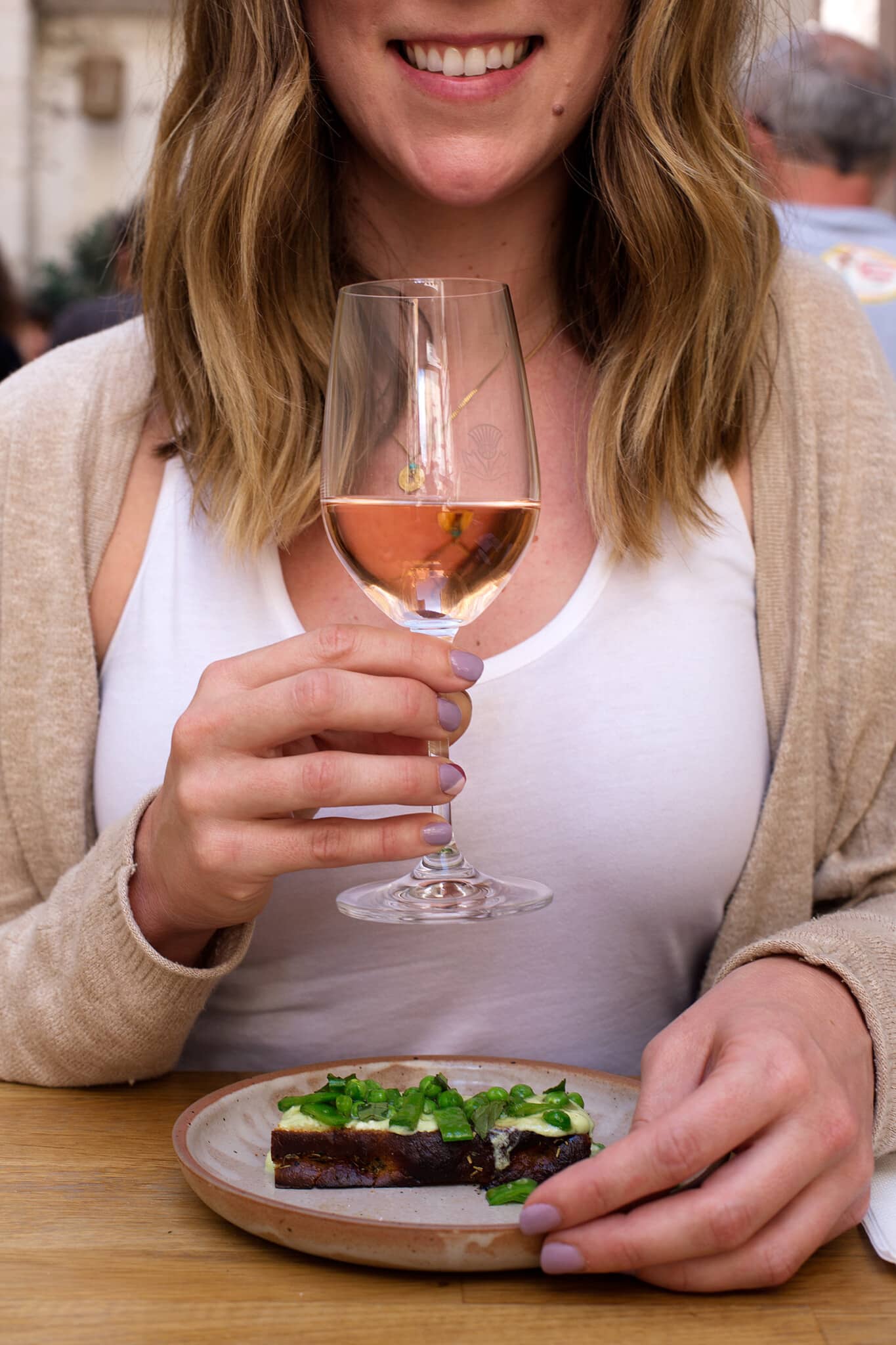
On the wine side, Provence is home to some of the most revered French Wine Regions. It is rosé’s spiritual home (easy Côtes de Provence, structured Bandol), but it also makes the serious reds of Châteauneuf-du-Pape and the crisp whites of Cassis. With a WSET-trained palate on our team and local sommelier contacts, cellar visits are a highlight we love to arrange. Above all, hit the markets: nearly every town has a weekly one, so go hungry and build a picnic (or have us arrange a guided tour and cooking class for you)!
What to Know Before You Go to Provence
Weather and the heat
Provence has a Mediterranean climate with hot, dry summers and mild winters (the Alps, of course, run colder and snowier). Summer temperatures in July and August frequently exceed 90°F (32°C), especially inland around Aix and Avignon.
Air-conditioning is not standard as it is in the States, even in some hotels and many restaurants, so plan your days around the heat: sightsee in the morning, rest or have a long lunch midday, and head back out as it cools. Coastal areas feel slightly cooler thanks to sea breezes.
The Mistral wind
One thing many travelers underestimate is the Mistral, a strong, cold wind that blows down the Rhône Valley. It can arrive suddenly and dramatically change the feel of the weather, particularly around Avignon and Arles.
Even sunny days can feel surprisingly cold when the mistral is active. I will never forget how that wind rips through your clothes and sets your skin on ice on an otherwise mild day. If you’re heading to the Rhône Valley, especially in winter or spring, pack layers.
The pace
People here are more laid-back than in the north, and life moves slowly. That’s part of the appeal, but it means you can’t rush or overpack your days. Built in long lunches and downtime, a trip that tries to cram in five villages, a winery, and a beach in one day will fight the rhythm of the place and lose.
Best time to visit
Late May through early July is often the ideal window. Lavender begins blooming, markets are lively, and the countryside is green without peak-summer crowds. If you’re going specifically for the lavender, aim for July 1 to about July 15; after that, harvest begins, and there won’t be much to see in the fields. If lavender isn’t the goal, September is excellent: the weather stays warm, crowds thin, prices drop, and you can still get beach days in early September.
Times to avoid
July and August get extremely crowded, especially along the Riviera and in the famous Luberon villages. Hotel prices rise sharply, roads become congested, and restaurant reservations may need to be made weeks in advance. Many French residents also vacation in August, so beaches and resort towns are particularly busy.
Transportation realities
Trains connect the major cities well, so it’s easy to move between Aix, Avignon, Marseille, and Nice without a car. But rural Provence and the mountains are difficult without one.
Many small villages have limited bus service, especially on Sundays and holidays, so anyone exploring the Luberon, the Alpilles, the wine country, or the Alps should plan to rent a vehicle. Be ready for narrow village streets and limited parking in historic centers.
Dining culture
Restaurants in Provence often run on a stricter schedule than many American travelers expect. Lunch service may end around 2:00 p.m., and dinner may not begin until 7:00 or 7:30 p.m. Small village restaurants sometimes close one or two days a week. I always recommend reservations in high season and sitting down for lunch no later than 12:30 PM to ensure you have a place to eat.
Sunday and Monday closures
In smaller villages, much of everything shuts down on Sundays and Mondays, and many shops also take a long midday break. This slower rhythm is part of Provençal life, but it can catch visitors off guard.
Plan ahead for groceries, pharmacies, and meals, so you’re not stranded in the afternoon with nowhere open. This matters even more if you’re traveling with kids; you don’t want to be without snacks or diapers and a jet-lagged baby in tow.
What Not to Do in Provence
A few patterns we see again and again, and steer our clients away from:
- Don’t try to do it all by train. Intercity rail is great, but the Provence most people come for (the villages, the lavender, the wineries, the mountains) needs a car.
- Don’t sightsee through the midday heat in high season. Between the temperatures and the closures, you’ll be miserable. Follow the local rhythm instead.
- Don’t wait to book. The best villas and small hotels sell out months ahead for summer. If you have a dream property, reserve early.
- Don’t build a zigzag itinerary. Crisscrossing the region turns your trip into a driving tour. Pick one or two bases and go deep.
- Don’t just chase the famous sights. There’s a Provence for hikers, wine lovers, art lovers, and families. Match the trip to your interests, or you’ll see a Provence that isn’t really yours.
- Don’t DIY everything. A private experience or two, a market with a local cook, and a winemaker who opens the cellar are how you get past the social-media version and actually meet the locals and the place.
- Don’t assume Provence is a budget option. Because it’s so popular, Provence runs more expensive than most of France (only the Riviera and Paris reliably top it), and private experiences cost about what they do in Paris, so you won’t save money by heading south. The upside is the range: from some of the world’s most luxurious villas and hotels to lovely boutique stays and farmstays.
Frequently Asked Questions
Provence is in southeastern France, on the Mediterranean between the Rhône and the Italian border, with the Alps to the north. The closest cities and entry points are Marseille, Aix-en-Provence, and Avignon, all about three hours from Paris by high-speed TGV train, with international airports at Marseille and Nice.
In French, "Provence" is pronounced roughly "pro-VAHNSS," with a soft final sound. English speakers often say "pruh-VONSS," which works fine.
Provence is officially the Provence-Alpes-Côte d'Azur region, comprising six departments: Bouches-du-Rhône, Vaucluse, Var, Alpes-de-Haute-Provence, Alpes-Maritimes, and Hautes-Alpes. They range from the Mediterranean coast and the Camargue wetlands to lavender plateaus, vineyard valleys, the French Riviera, and the high Alps.
Yes, but your experience will be different. Cities such as Aix-en-Provence, Avignon, Marseille, and Nice are reachable by train and easy to explore on foot. Travelers who want lavender fields, hilltop villages, wineries, the mountains, or smaller countryside areas, though, will find a car extremely helpful, if not essential.
Lavender generally blooms in Provence from mid-June through mid-July, though timing varies year to year with weather and altitude (higher elevations bloom later). Your best bet is July 1 to 15, for the best chance of seeing the fields before harvest. A word to the wise: there are a lot of bees in the lavender fields. They never bothered me, but if you have a bee phobia or an allergy, going into the fields may not be your best choice.
Late May to early July and September are the sweet spots: warm weather, lively markets, and thinner crowds than the July-and-August peak. September is the value pick, with warm beach days and lower prices once the summer rush clears. (For lavender specifically, see the bloom timing above.)
It can be. Because Provence is so popular, it tends to run more expensive than most of France, with only the French Riviera and Paris reliably topping it, and private experiences cost about what comparable activities do in Paris, so you won't really save by heading south. The good news is the range: lodging runs from some of the world's most luxurious villas and hotels to lovely boutique stays and farmstays, and shoulder-season travel (late spring and September) eases both crowds and prices.
Most travelers benefit from at least 7 to 10 days. Provence is best enjoyed slowly, with time for markets, long lunches, scenic drives, and small-town wandering, rather than rushing between destinations.
Lavender fields, rosé and Rhône Valley wines, olive oil, open-air markets, Roman ruins (Arles, Orange, the Pont du Gard nearby), hilltop villages, the Camargue wetlands and the Calanques, the glamorous Riviera coast, and, in the north, the high Alps. It's also deeply associated with artists like Cézanne and Van Gogh
The French Riviera (the Côte d'Azur) shares the same administrative region as Provence (both sit inside PACA), but historically and culturally it's its own place, centered on the Alpes-Maritimes. So when people compare the two, they really mean inland, historic Provence versus the glamorous coast. I always say it's like asking whether Tuscany or the Amalfi Coast is better: neither one wins, they're just different. Inland Provence is quieter and focused on villages, wine, and countryside, while the coast is more glamorous and energetic. Many travelers combine both, which is easy to do here (unlike Amalfi and Tuscany). See our Nice guide for the coast.

Recipes Inspired By France
Not heading to France quite yet? Here are a few of our favorite classic French recipes to make at home to stoke your wanderlust:
France Travel Guide
Thinking of traveling to France in real life? Check out our free France Travel Guide for our best travel tips, recipes, and articles on France.
Planning a Trip to the South of France
If you’re planning your first trip—or trying to determine the best way to structure your itinerary—our team at Salt & Wind Travel specializes in designing tailored South of France journeys, from countryside villa stays to coastal getaways along the Côte d’Azur.