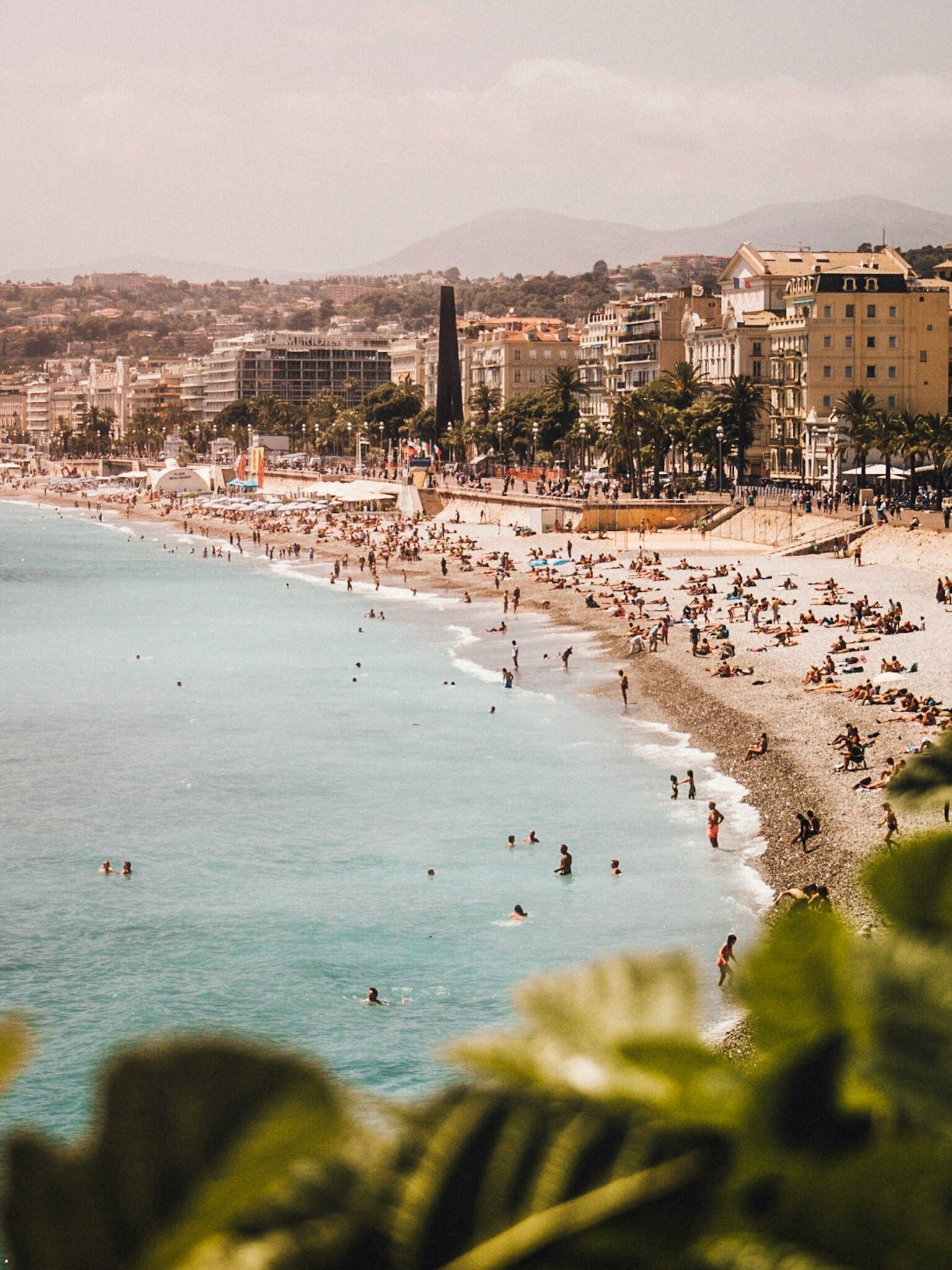
🔑 Quick answer: The South of France is a sun-soaked region along the Mediterranean known for beaches, hilltop villages, and exceptional food and wine. First-time visitors should base themselves in Nice or Aix-en-Provence and explore nearby towns on day trips. Plan 5–7 days, and visit in May–June or September–October for the best mix of weather, fewer crowds, and peak local experiences.
Key Takeaways
- The South of France includes Provence, Languedoc, and the French Riviera, a Mediterranean region known for historic villages, vineyards, beaches, and vibrant cities like Nice and Aix-en-Provence.
- The best South of France trips balance coast and countryside, combining hilltop villages, coastal towns, markets, and wine regions rather than trying to see everything in one visit.
- Food and wine define the South of France travel experience, from local markets and Provençal cuisine to vineyard visits and meals shaped by Mediterranean ingredients.
Planning a trip to the South of France is exciting, until you have to decide exactly where to go. The challenge isn’t whether the region is worth visiting — that’s a given. It’s choosing between the glamorous beaches of the French Riviera, the charming villages of Provence, and the historic cities of Languedoc. It’s no wonder people get overwhelmed before they even book a flight.
Quick Guide to the South of France
The South of France is the Mediterranean region of southern France, stretching from the Spanish border to the Italian border, encompassing three distinct sub-regions: Languedoc (west), Provence (center), and the French Riviera (Côte d’Azur) (east).
It is a diverse area with a unique mix of vineyards, hilltop villages, historic sites, stunning landscapes, and coastal towns, and the region varies vastly as you cross it. Within a few hours, you can move from vineyards and olive groves alongside medieval hilltop villages to dramatic limestone gorges or to coastal towns overlooking the Mediterranean Sea.
Travelers are drawn to iconic destinations like Nice, Aix-en-Provence, and Saint-Tropez, and they’re stunning. But, to us, the real magic lies in also seeing smaller villages, local markets, and food-and-wine experiences shaped by the Mediterranean landscape.
Why Trust Salt & Wind Travel
Here at Salt & Wind Travel, the South of France is one of the regions we know best for France vacation planning. Our founder, Aida Mollenkamp, has traveled there more than 20 times, visiting extended family and living there while attending culinary school in Paris. She first visited as a teenager, made frequent weekend trips while living in Italy, and spent time exploring Provence villages, boating along the Rhône, visiting family in Nice, and tasting wines across the Languedoc and Bandol.
Our extended team has lived and studied in the region, including living in Aix-en-Provence, Toulon, Hyères, and Lourmarin, and we’ve designed more than 60 custom itineraries for the South of France for couples, families, and friends.
Where Is the South of France?
The South of France generally refers to the area south of a line from Bordeaux to Lyon, where the climate shifts to Mediterranean with over 300 days of sunshine per year and average summer temperatures of 28-32°C (82-90°F). The region borders Spain to the west and Italy to the east, with the Mediterranean Sea to the south and the Massif Central and Alps to the north — roughly 500 miles of coastline across the départements of Pyrénées-Orientales, Aude, Hérault, Gard, Bouches-du-Rhône, Var, and Alpes-Maritimes.
Comparing Regions In The South of France
So one of the questions I get a lot is “Which part of the South of France is right for me?” The reality is, each region has a really different personality. Here’s how I think about it:
| Category | Languedoc | Provence | French Riviera |
|---|---|---|---|
| Vibe | Rugged, historic, unhurried | Pastoral, sensory, romantic | Glamorous, coastal, energetic |
| Best for | History buffs, wine lovers on a budget, couples who want fewer crowds | Foodies, slow travelers, families, honeymooners | Beach lovers, luxury seekers, art enthusiasts, nightlife |
| Budget level | $$ (most affordable of the three) | $$-$$$ (mid-range to splurge) | $$$-$$$$ (highest, especially in summer) |
| Top towns | Carcassonne, Montpellier, Narbonne, Collioure | Aix-en-Provence, Avignon, Gordes, Lourmarin, Cassis | Nice, Antibes, Saint-Tropez, Èze, Monaco |
| Best time to visit | May-Jun & Sep-Oct | May-Jun (lavender peaks late Jun) & Sep-Oct | Apr-Jun & Sep-Oct (summer is peak crowds) |
| Getting around | Rental car essential | Car for villages, trains between cities | Train connects coastal cities; car for hill towns |
| Days needed | 3-5 days | 5-7 days | 4-6 days |
| Food & wine | Cassoulet, oysters from Étang de Thau, Languedoc reds (Minervois, Corbières) | Bouillabaisse, ratatouille, rosé (Bandol, Cassis AOC), olive oil, herbs | Socca, pissaladière, pan bagnat, Bellet wines |
| Don't miss | Canal du Midi, Cathar castles, Pont du Gard | Luberon village markets, lavender fields, Rhône wine tasting | Coastal path hikes (Sentier du Littoral), Matisse Museum, Calanques |
The Main Regions of the South of France (West to East)
This southern France travel guide will walk you through the major regions of the South of France, from west to east, while sharing the best things to see, eat, and experience, along with the insights we’ve learned from years of planning trips here.


Occitanie & Languedoc
Languedoc is the westernmost sub-region of the South of France, known for its Roman and medieval history, its status as the country’s largest wine-producing area, and its access to Cathar castles and the UNESCO-listed fortified city of Carcassonne.
This rustic area, with less tourism than Provence or the French Riviera, is often overlooked by international travelers, but it’s worth your attention. Here you’ll find a blend of vineyards, olive oil orchards, lagoons, wild nature, medieval cities, and a rich history dating back to Roman times.
Languedoc produces more wine than any other region in France and offers the South of France experience at roughly 30-40% lower cost than equivalent experiences in Provence or the Riviera.
Carcassonne
Few places capture the imagination like the UNESCO World Heritage Site of Carcassonne. This fortified medieval city looks almost untouched by time. Its stone ramparts and castle towers create one of the most dramatic skylines in Europe, and it’s well worth a day trip. If you stay a few nights, you can even use it as a jumping-off point for wine tasting and exploring the region.
Narbonne
Closer to the sea is the town of Narbonne. It was once an important Roman port and remains closely connected to the Mediterranean lagoons and oyster farms along the coast. A major highlight is that the beaches are sandy (unlike the pebbly beaches of Nice and Cannes), and the main town market is beautiful. It flies under the radar for most since bigger towns like Montpellier are nearby.
Montpellier
A touch further east is the university town of Montpellier. This medium-sized town offers lively squares, elegant architecture, and a growing culinary scene. The city’s historic center is filled with top-notch museums, parks, cafés, and boutiques, making it perfect for travelers who enjoy exploring old towns.
Where to Stay
Many of our clients stay in the towns above, while others stay in the countryside or in smaller towns along the waterfront, such as Béziers or Sète. In Languedoc, travelers will often find family-run inns, boutique hotels, and charming guest houses rather than large resorts. One resort our guests love here is Château L’Hospitalet — get in touch if you want us to book it for you with perks!

Provence
When most travelers think of the idyllic South of France, Provence is what comes to mind. Provence is the central sub-region of the South of France, known for lavender fields, hilltop villages, Roman ruins, and culinary traditions built around olive oil, herbs, and sun-ripened produce.
The region’s natural beauty has inspired artists for centuries, including Vincent van Gogh, Paul Cezanne, Pablo Picasso, and Henri Matisse.
Avignon
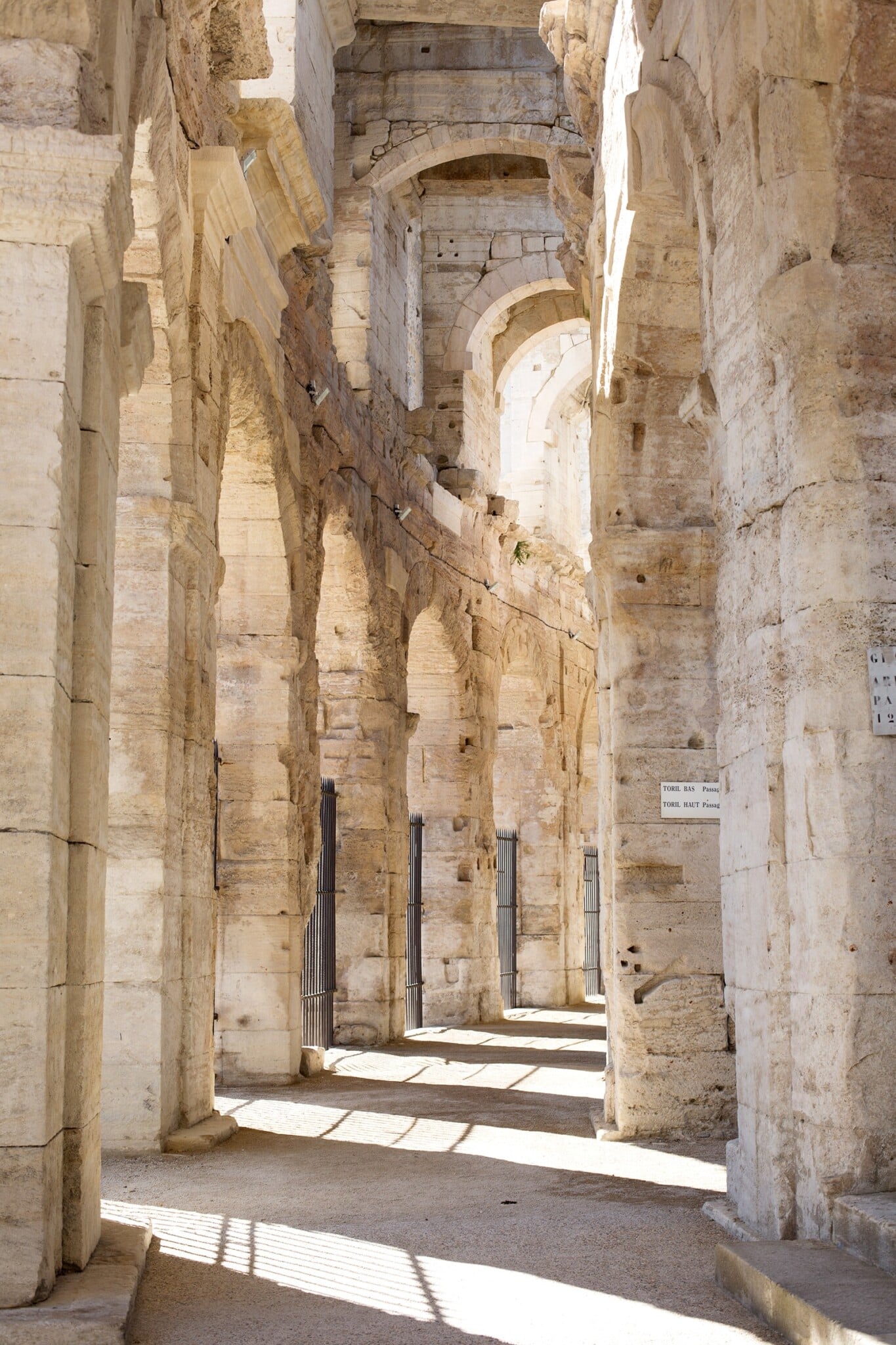
The historic city of Avignon is at the northern edge of Provence along the Rhône River. It was once the seat of the medieval papacy, and the Palais des Papes dates back to the 14th century. This town is not too big and not too small, and, because it’s served by the TGV, it’s an easy hop from Lyon or Paris. We like the numerous boutiques and bustling main market, as well as the variety of hotels, from luxury to boutique.
Saint-Rémy-de-Provence
Surrounded by olive groves and vineyards, Saint-Rémy-de-Provence is a tiny village in the heart of the Alpilles area of Provence. It is known for its markets, charming streets, and its close ties to Vincent Van Gogh. The town is small but has an impressive mix of chic boutiques and restaurants. Stay here if you want to enjoy the nearby countryside, whether by cycling or hiking.
Luberon Valley Villages
The Luberon Valley is filled with quaint villages and historic villages overlooking vineyards and orchards. The best-known village is Gordes, which rises dramatically above the valley, while Roussillon stands out for its colorful cliffs and stone houses. However, our clients prefer to stay closer to Lourmarin so they can access those villages and Aix.
Aix-en-Provence
Elegant boulevards, fountains, a vibrant art scene (don’t miss the Museum Granet), and lively local markets make Aix-en-Provence one of the most beloved cities in southern France. It is a larger city with a big university, so one part is very college-oriented, while another area is beautiful with historic squares and large trees.
Cassis
On the Mediterranean coast, Cassis is a tiny port town known for its picturesque harbor and access to the dramatic cliffs and inlets of the Calanques National Park. The town is small but worth a day trip or a few nights, and be sure to also taste the white wines produced here under the Cassis AOC.
Day Trips in Provence
Some of the best day trips from Provence include:
- Pont du Gard: A remarkable Roman aqueduct and UNESCO site
- Gorges du Verdon: The dramatic canyon landscapes with crystal blue water
- Châteauneuf-du-Pape: Visit the renowned vineyards of this wine region
- Camargues: The Rhône River delta is great for horseback riding and ATV excursions.
Where to Stay
Provence is one of the best regions in France for villa stays or luxury hotels, especially for families and groups who want to explore nearby villages and markets at their own pace.
There are classic hotels like Airelles in Gordes or Villa Gallici in Aix, as well as more modern spots like Le Moulin in Lourmarin or the Les Bains Gardians in the Camargue. If you’re unsure which base town is right for your trip or want to get access to perks, reach out, and our team of travel experts at Salt & Wind Travel can help.
For the wider picture, see how we help families choose the right European destination for their kids.
French Riviera (Côte d’Azur)
The French Riviera, or Côte d’Azur, is the Mediterranean coastline of southeastern France stretching from Cassis to the Italian border, known for its glamorous resort cities (Nice, Cannes, Monaco), film and yacht culture, seaside promenades, and year-round temperate climate. The French Riviera has served as a retreat for artists, writers, and travelers since the 1800s.
Saint-Tropez
Once a fishing village, Saint-Tropez (St. Tropez) is now known for luxury yachts and beach clubs. Many travelers enjoy visiting the town, though some find it expensive and sceney compared with nearby coastal villages. Our clients prefer to stay in hotels outside of town, such as the Lily of the Valley or the newly opened Le Beauvallon.
Cannes
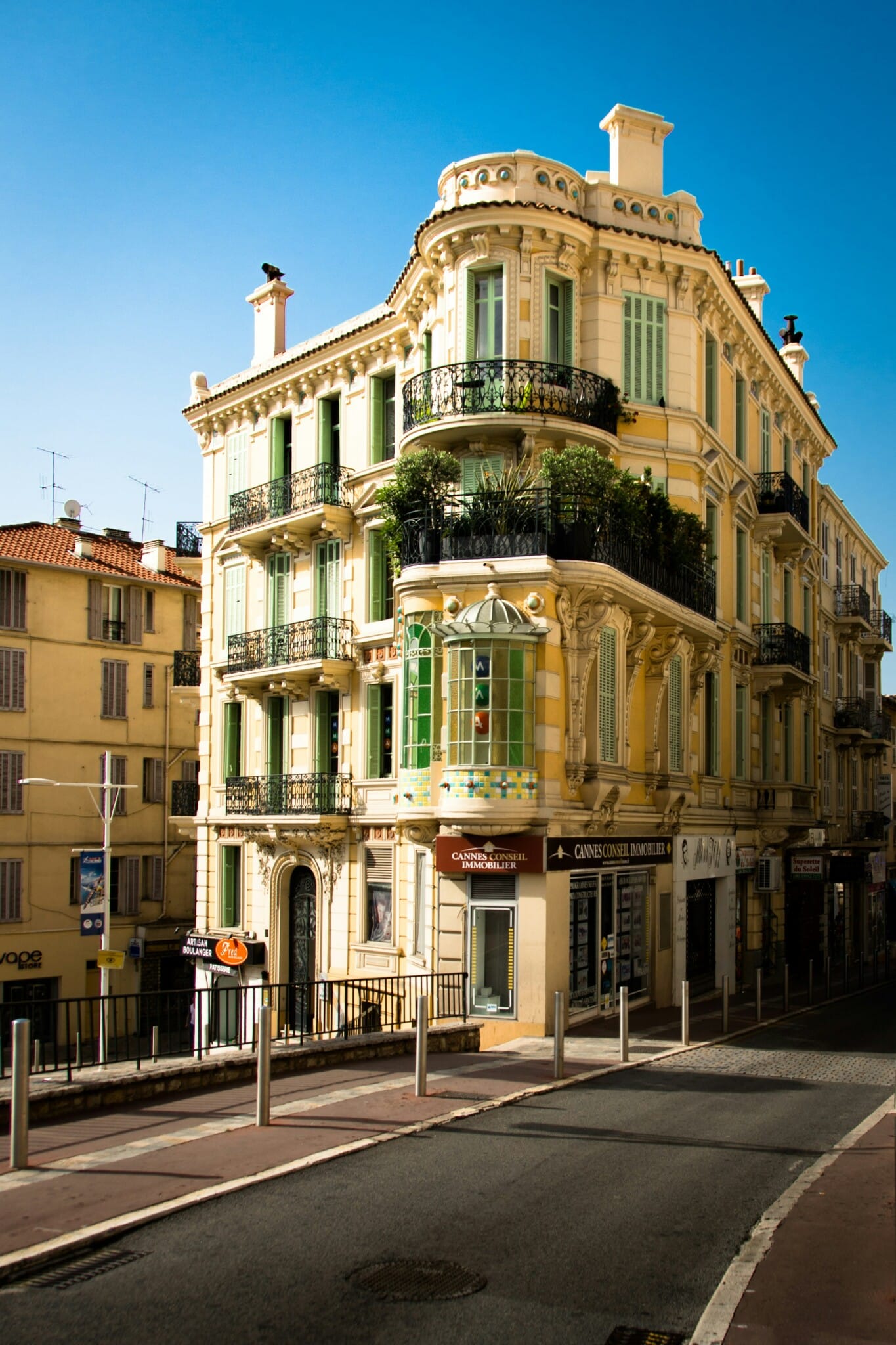
Cannes is internationally famous for its annual film festival, which brings celebrities and filmmakers from around the world. It is a smaller city than Nice, so it’s easier to grasp, and it’s centrally located on the coast, making it an ideal home base for exploring nearby towns or even the Lérins Islands. Many of our clients don’t stay directly in Cannes but rather on the water or in the hill towns nearby.
Antibes
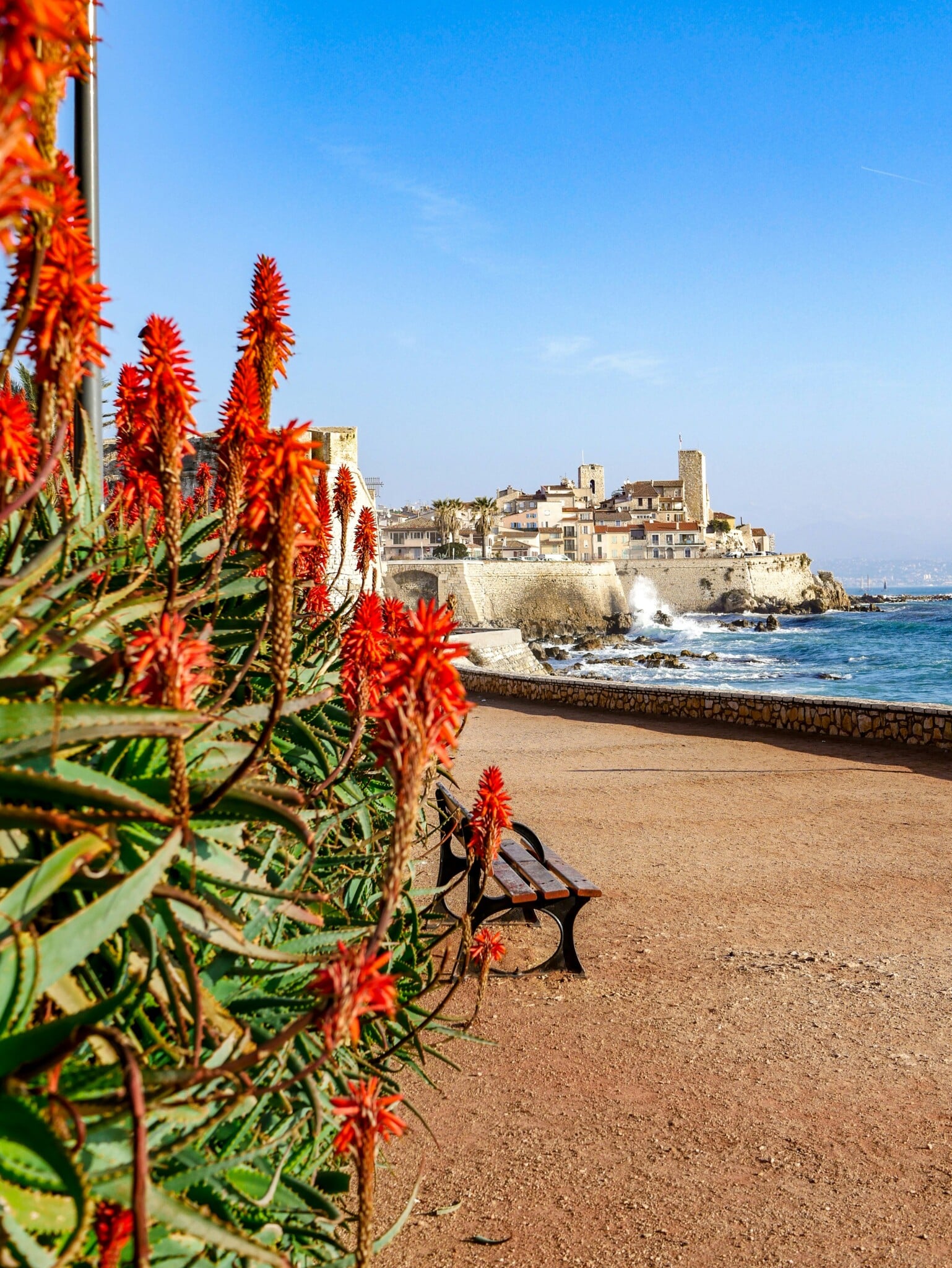
The old town of Antibes is one of the Riviera’s most charming places, filled with narrow streets, art galleries, seaside cafés, a speakeasy, and a fort! The beaches here are sandy and stunning, and some even offer views of the Alps in the distance. Many of our clients rent villas or stay at luxury hotels, such as the Hotel du Cap-Eden-Roc.
Nice
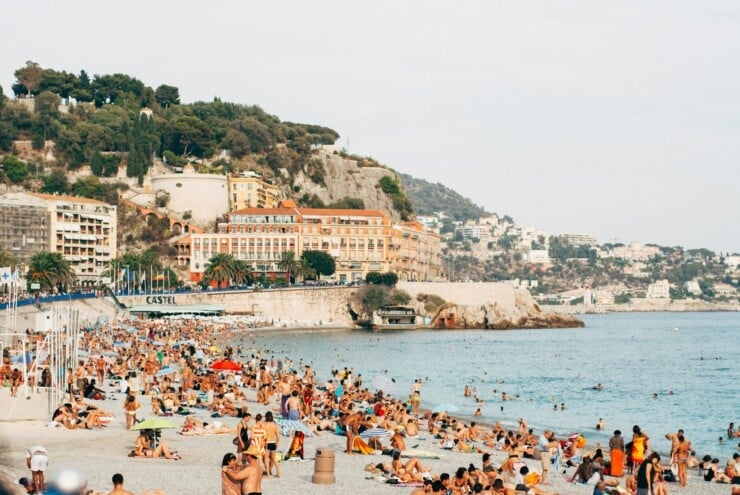
The largest city on the Riviera, Nice is home to the iconic Promenade des Anglais, one of Europe’s most recognizable seaside promenades. The Old Town and the Cours Saleya market are among the best in France and are worth a visit even if you don’t base yourself in the city. The city also serves as a transportation hub thanks to Nice Airport, making it a convenient entry point for travelers exploring the region. Our clients like to stay along the waterfront or in the Old Town.
Villefranche-sur-Mer
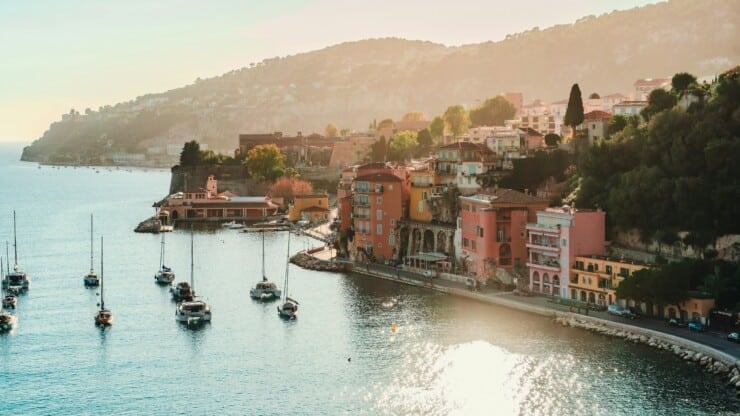
Just east of Nice, Villefranche-sur-Mer offers a colorful harbor and a relaxed seaside atmosphere. When I’m in the area, this is my first choice for snorkeling near Nice; however, there aren’t many lodging options nearby.
Èze
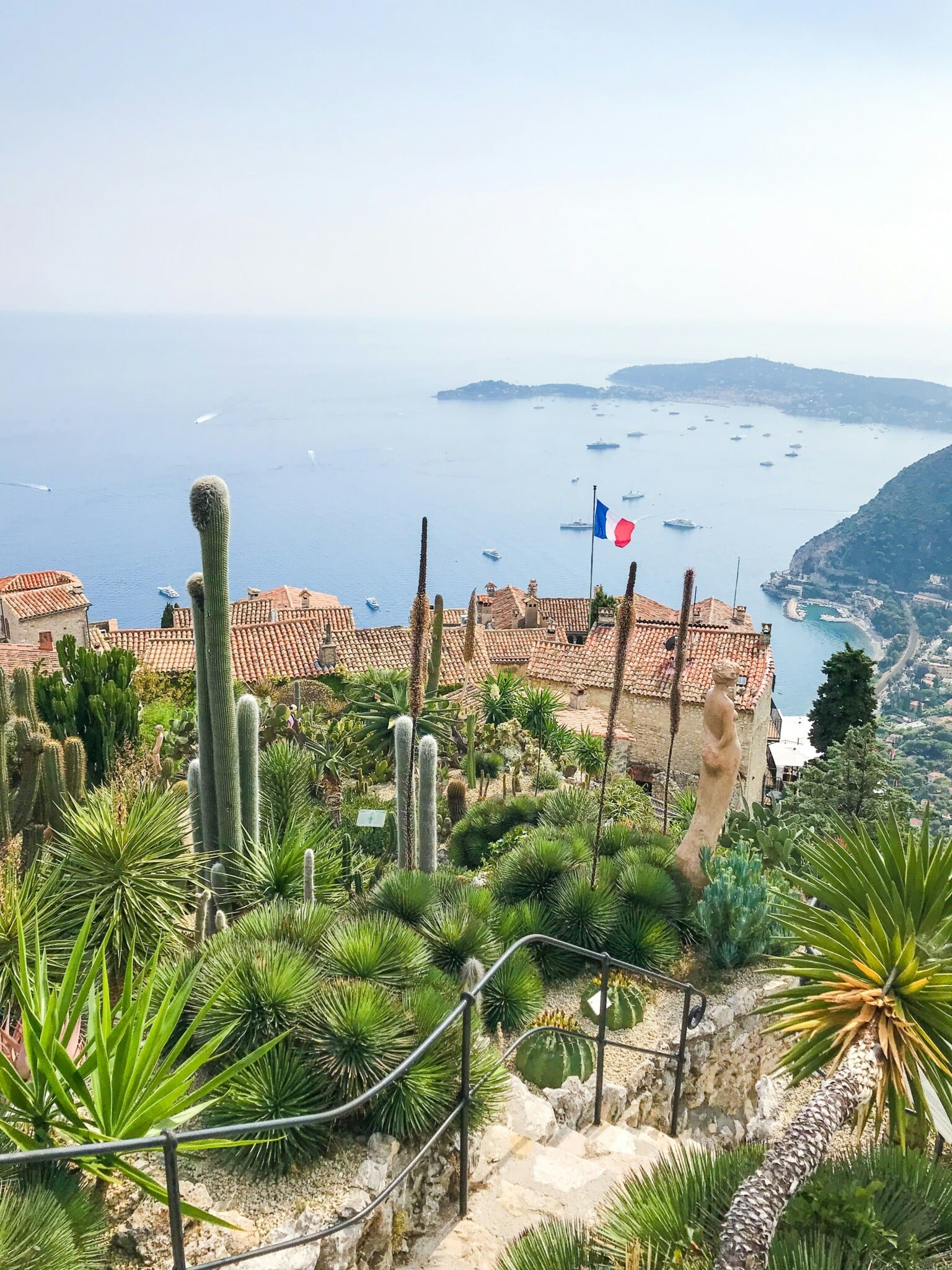
Perched high above the sea, Èze is a dramatic hilltop village overlooking the Mediterranean cliffs. It is just one of the many lovely hilltown villages in the French Riviera, including Mougins and Saint-Paul-de-Vence.
Where to Stay
Cities like Nice and Cannes offer luxury hotels, while smaller Riviera towns provide charming boutique stays and seaside villas.

Lesser-Known Towns We Love
While famous cities attract much of the attention, some of the most memorable places in the South of France are lesser-known towns.
In Provence, villages like Lourmarin, Cucuron, Ménerbes, and Isle-sur-la-Sorgue offer vibrant markets and slower rhythms of life. Along the Riviera, Cassis and Sainte-Maxime provide a relaxed alternative to Saint-Tropez.
In Languedoc, Narbonne is an excellent base for exploring wine country and coastal lagoons, while Grasse, inland from the Riviera, is famous as the historic perfume capital of France.
Best Experiences in the South of France
Some of the best things to do in the South of France capture the spirit of the region’s landscapes and culture.
Exploring Hilltop Villages
The hilltop villages of the South of France are medieval fortified settlements built on strategic highlands, most densely concentrated in the Luberon (Provence) and the Alpes-Maritimes inland from the Riviera — including Gordes, Roussillon, Ménerbes, Èze, and Saint-Paul-de-Vence.
Vintage Shopping
There is very high-end shopping in Nice, St. Tropez, and Cannes. But we prefer the region for vintage shopping, whether at the antique markets or the vintage clothing at the many weekly markets.
Visiting Lavender Fields
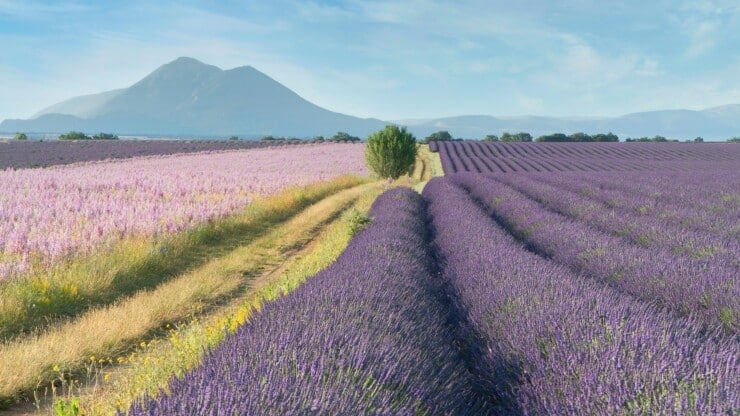
Lavender fields in the South of France bloom primarily in June and July on the Plateau de Valensole, the Luberon, and the Drôme Provençale — the best viewing window is late June through mid-July, before the commercial harvest begins. They are an influencer draw, so don’t be surprised if you see people posing in the fields.
Wine Tasting
The South of France is France’s largest wine-producing area, with signature styles ranging from Languedoc reds and Picpoul whites in the west, to Provence rosé (the most-produced rosé in the world), to Bandol and Cassis reds and whites along the coast.
Outdoor Adventures
This region of France has incredible nature, so be sure to make time to explore. There is so much to see, including the whitewashed Calanques National Park and the hiking of Montagne Sainte-Victoire to the ochre landscape of the Esterel Massif.
For a deeper look at the region’s villages, markets, and rosé, see our full Provence travel guide.

Common Mistakes Travelers Make in the South of France
The most common mistake travelers make in the South of France is trying to visit all three sub-regions (Languedoc, Provence, Riviera) in a single week, which typically means sacrificing depth in any one region to logistics and transit. After planning dozens of trips to the South of France, we have advice on what to avoid:
Trying to see too much
Travelers often attempt to visit Provence, the Riviera, and Languedoc in a single week.
Only visiting famous towns
Destinations like Monaco or Saint-Tropez receive attention, but many of our travelers prefer towns like Cassis, Saint-Jean-Cap-Ferrat, or Antibes.
Skipping the countryside
Some of the best experiences happen inland in vineyards and villages from cycling and hiking to visiting Roman ruins in towns like Orange or meeting producers and artisans.
Relying only on trains
While the French trains connect major cities well, visiting the many villages often requires a car or private driver.
Going in high season
We know, not everyone can travel any time of year. But, to be honest, we don’t recommend the south of France in the height of summer. It’s high season for international and French tourists so the roads are busy, prices are higher, and it can get really hot and humid.

What to Eat and Drink in the South of France
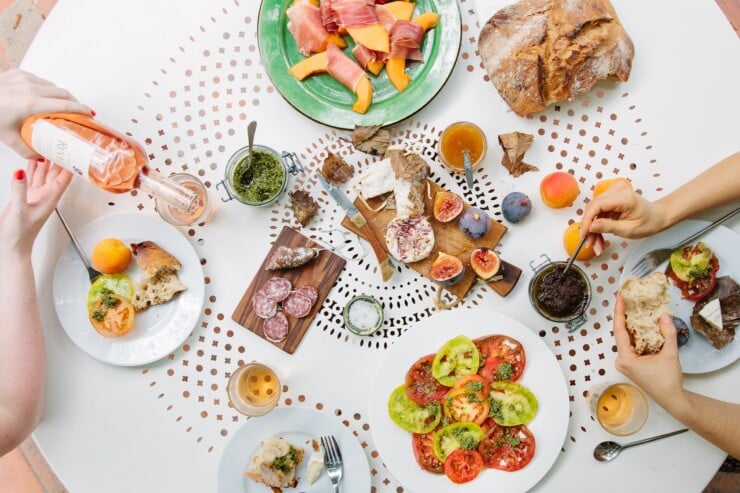
Cuisine in the South of France is Mediterranean rather than classically French, defined by olive oil instead of butter, seafood, fresh produce, herbs like basil and thyme, and Ligurian influences — distinct from the richer, cream-based cuisine of northern France.
We love food and wine, so one of the greatest pleasures of traveling through the South of France is tasting our way through the region. While travelers often think of the food as a single style of cooking, the reality is that each region of the South of France has its own culinary identity.
Olive oil, tomatoes, herbs, seafood, olives, and seasonal fruit shape much of the cooking here, and many of the famous foods in France that hail from here evolved from simple preparations designed to highlight what grows locally.
French Riviera
Along the French Riviera, especially around Nice, the cuisine reflects the city’s historic ties to Italy. Local specialties include socca, a crisp chickpea flatbread traditionally cooked in wood-fired ovens, and pan bagnat, a hearty sandwich filled with tuna, olives, and vegetables inspired by the flavors of salade Niçoise. Another Riviera classic is pissaladière, a savory tart topped with caramelized onions, olives, and anchovies.
Provence
In Provence, the cuisine leans heavily on vegetables, olive oil, and herbs that thrive in the sunny countryside. Dishes like ratatouille, tapenade, and the famous seafood stew bouillabaisse all showcase ingredients grown or harvested locally. Markets play a central role in everyday life here, and visiting them is often the best way to experience the region’s food culture firsthand.
Languedoc
Further west in Languedoc, the cuisine often feels a bit heartier, reflecting the region’s agricultural traditions and wine culture. Seafood is still prominent along the Mediterranean lagoons, particularly oysters from the Étang de Thau and salt from Le Salin de Gruissan, but inland you’ll also find dishes influenced by the region’s vineyards and farms, and duck and goose as you head toward Toulouse and further into Occitane.
Frequently Asked Questions About the South of France
Nice, Aix-en-Provence, Avignon, Antibes, and the villages of the Luberon are among the most popular destinations. But a lot of our clients also love exploring lesser-known areas like Montpellier, Lourmarin, Grasse, Collioure, and Menton. The best places for your trip really depend on whether you're drawn to coastal towns, countryside villages, or historic cities.
The South of France has a Mediterranean climate with mild, wet winters (average 8-12°C / 46-54°F from December to February) and hot, dry summers (average 28-32°C / 82-90°F from June to August), with the Mistral wind bringing cool, clear conditions to Provence and the Rhône Valley primarily from January through April.
Most travelers need 7-14 days to comfortably explore two of the three sub-regions (Languedoc, Provence, and the French Riviera). If you're focusing on one region, 5-7 days works well. I really recommend against trying to see all three regions in under 10 days because you end up spending more time in the car than actually experiencing the places.
The best way to explore the South of France depends on your itinerary. Trains connect major cities such as Nice, Avignon, and Montpellier, but reaching many of the region’s most beautiful villages and vineyards often requires a rental car or private driver. Many travelers combine trains for longer distances with a car for exploring Provence villages, countryside markets, and coastal day trips.
It depends on your itinerary. For coastal cities on the Riviera (Nice, Cannes, Antibes, Monaco), you can get around well by train. But for Provence villages, Luberon hill towns, wine country, and pretty much anywhere in Languedoc, a rental car or private driver makes a big difference. Many of our clients combine trains for longer distances between cities with a car for a few days of village exploration.
Yes, the South of France is generally very safe for travelers, including solo travelers and families. The main concerns are the same as any popular tourist area: pickpocketing in crowded places like Nice's Old Town, train stations, and summer markets. I'd recommend the same common-sense precautions you'd use in any European city, and honestly the countryside areas feel extremely safe.
For a first visit, I usually recommend starting in Nice (2-3 nights) to get your bearings on the coast, then heading to Aix-en-Provence or Avignon (2-3 nights) for Provence's markets and villages, with day trips to the Luberon. If you have 10+ days, you can add Languedoc with a stop in Montpellier or Carcassonne. The key is not to rush it because the whole point of the South of France is slowing down.
A week in the South of France typically costs $2,500-$4,000 per person for mid-range travel (3-4 star hotels, restaurant dinners, car rental, and activities). Luxury travel with boutique hotels and private experiences runs $5,000-$8,000+ per person. Languedoc is the most budget-friendly sub-region, roughly 30-40% less expensive than Provence or the Riviera for equivalent experiences.
Provence is the inland and slightly-coastal area centered on Aix-en-Provence and Avignon, known for lavender fields, hilltop villages, wine, and market culture. The French Riviera (Côte d'Azur) is the coastal strip from Cassis to the Italian border, known for beach towns, glamour, and Mediterranean lifestyle. They border each other, so a lot of travelers visit both. The vibe difference is pretty distinct though: Provence feels pastoral and slow, while the Riviera feels coastal and energetic.

Recipes Inspired By France
Not heading to France quite yet? Here are a few of our favorite classic French recipes to make at home to stoke your wanderlust:
French Wine Regions
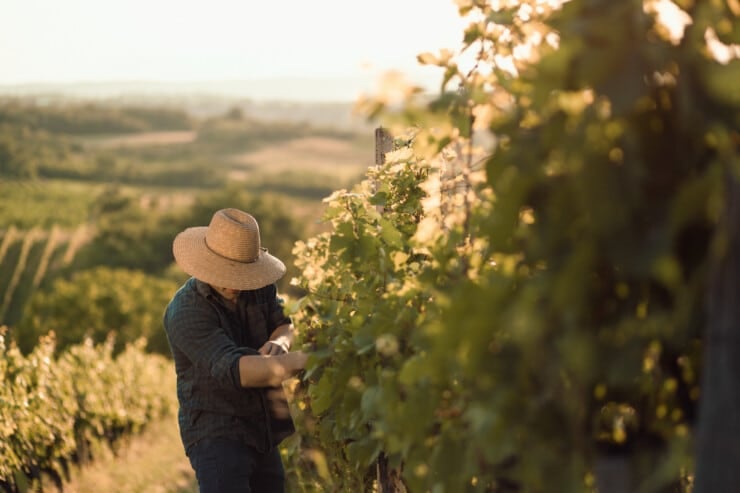
Wine, of course, is inseparable from the culinary culture of southern France. Both the Languedoc and Provence are among the best-known French wine regions, so our clients often ask us to book them a private tour with a sommelier.
In Provence, the pale rosés that have become synonymous with summer are produced throughout the region. Along the coast, Bandol is known for more structured wines, while the vineyards around Pic Saint-Loup in Languedoc produce elegant reds that have become increasingly respected by wine lovers.
France Travel Guide
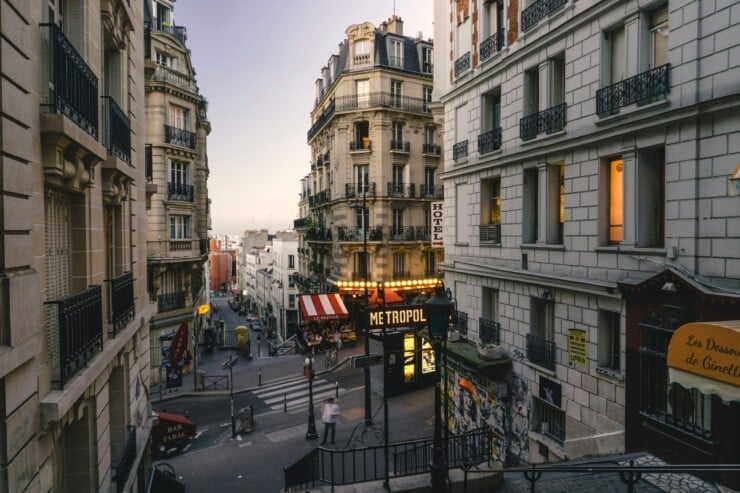
Thinking of traveling to France in real life? Check out our free France Travel Guide for our best travel tips, recipes, and articles on France.
Planning a Trip to the South of France
If you’re planning your first trip—or trying to determine the best way to structure your itinerary—our team at Salt & Wind Travel specializes in designing tailored South of France journeys, from countryside villa stays to coastal getaways along the Côte d’Azur.
Photo Credit: Opening photo by Antoine Consteneau, Provence food photos by Joann Pai, Menerbes by Sonya Khegay, Avignon by Hong Zhao, Eze by Lidija Jakovljevic, Cannes by Paolo Bendandi, Nice by John Jason, Carcassonne by Alba Vitta Studio, Isle-Sur-La-Sorgue by Pepino de Mar studio, all other photos by Team Salt & Wind Travel