
🔑 Quick Answer: Nice, France, is a Mediterranean port city on the Côte d’Azur and the largest hub on the French Riviera. It’s a smart base for a South of France trip because it combines real city depth, rail access to many coastal towns, and a food culture distinct from the rest of France.
Key Takeaways
- Nice is one of the best places to stay on the French Riviera for travelers who want easy access to the region
- A base-and-explore approach dramatically improves the pace of a South of France trip
- Helpful tips include planning around your travel style (family, couple, honeymoon), avoiding a generic top-things list, focusing on the food, and taking advantage of public transport.
Four Hotels in Seven Days Isn’t a Vacation, It’s Exhausting
If you’re planning a trip to Nice, France, there’s a good chance you’re about to make the same mistake most people do: a breakneck pace with too many stops. Yes, I’m biased because I’ve spent a lot of time in France, between traveling and going to school there. But I’ve seen a lot of people visit at way too fast a clip, and it almost never turns out the way they hope.
Here’s how it goes: two nights here, a night there, and trains or car rides every day. The reality is you’ll spend more time in transit than expected and covering longer distances than necessary. You’ll pay for a vacation and end up doing a moving job. The thing is, the South of France rewards slowing down and staying put.
Nice France Quick Facts
| Fact | Detail |
|---|---|
| Population | ~340,000 |
| Region | Côte d'Azur (aka French Riviera) |
| Country | France (Alpes-Maritimes département) |
| Airport | Nice Côte d'Azur (NCE) — 2nd busiest in France |
| Nearest cities | Antibes (25 min), Monaco (20 min), Menton (<1 hr) |
| Language | French |
| Currency | Euro (EUR) |
| Best time to visit | May–June, September–October |
| Average summer high | 82°F / 28°C |
| Beach type | Pebbled (not sandy) |
Most people also get Nice, France, wrong, thinking it’s just a big city with no soul. Sure, it sprawls, and, like any big city, it has some scruffy bits, but all in all, it’s a ray of southern France sunshine. I’m likely partial because, as a native Angeleno, it feels to me like the Los Angeles of France.
In this article, I’m going to share my hard-earned tips on Nice, France, from my personal travels there and from our team’s over 10 years of planning trips to the region for our clients.
Why Trust Salt & Wind Travel in Nice, France
The South of France is one of the regions we know best, and Nice is a city I return to time and again. I’ve personally traveled to the South of France more than 20 times and was just in Nice in April 2026, one week before this was published. After spending time there and talking our clients through how to do Nice right, it felt only fair to share it with you, too!
Nice is also a place where many of our clients stay when they travel to the region. Our team has planned more than 60 custom itineraries across the South of France, and roughly half of those used Nice as a base. We’ve designed honeymoons, father-daughter trips, and multi-generational trips out of Nice for more than ten years, which means we know what works for little ones, friend groups, and couples alike, from beach days to cycling routes to hands-on food experiences.

Our team includes two WSET Level 2 certified wine specialists and one sommelier; two of us live in the region, and three of us speak fluent French. We work with more than 20 local partners in the Nice area: private cooking class hosts, hiking and cycling guides, local chefs, and photographers we’ve trusted for years.
What we’re known for in Nice is what we’re known for everywhere we work: food-first itineraries built around markets, winemakers, and local chefs rather than tasting menus for the sake of them; quiet luxury over generic five-star polish; and, above all, helping you avoid the tourist traps. That’s the lens through which this guide is written. If it reads like opinions rather than a checklist, that’s on purpose
Why Travelers Choose Nice as Their Base
In reviewing our clients’ itineraries of the last few years, travelers who chose Nice as their South of France base most commonly do so for three reasons:
- Direct flight access from North America (the leading reason cited)
- Train connectivity to Cannes, Antibes, Menton, and inland Provence without needing a rental car
- A food-first culture distinct from Paris, rooted in the Mediterranean
Why a Base-and-Explore Trip Is the Best Way to See the French Riviera
A multi-stop itinerary looks efficient on paper. In practice, too many jaunts can eat up your time. This is something we constantly correct for clients. Staying in Nice lets you stay in one central location, learn the place’s rhythm, and take day trips when it feels right. Market runs become possible. You actually rest. You get more out of the same amount of time.
Need help planning a French Riviera trip? Start with our South of France guide or reach out to plan with our team.
Why Nice, France, Is the Best Base on the Côte d’Azur
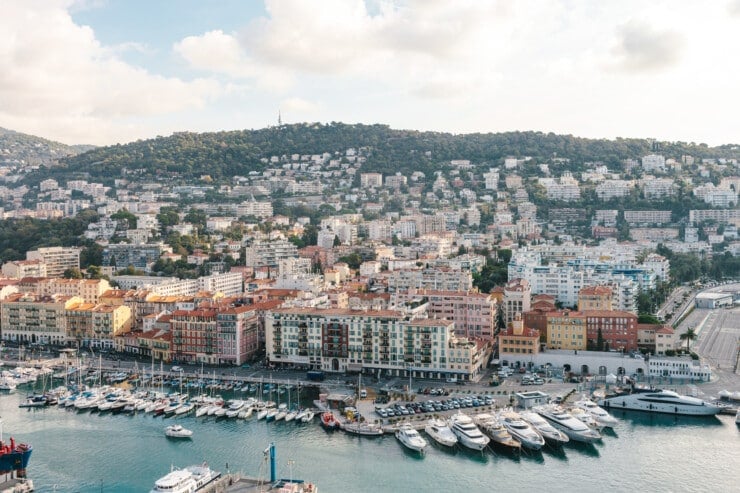
Nice is the largest city on the French Riviera (aka the Côte d’Azur), with a population of roughly 340,000 on France’s southeastern Mediterranean coast in the Alpes-Maritimes département.
The Côte d’Azur stretches from Saint-Tropez through Nice to the Italian border, encompassing Cannes, Antibes, Monaco, and Menton. But Nice doesn’t feel overwhelming the way that Paris or other major cities can. Most of the major sights are spread across the Old Port, the historic city center, the waterfront, and the Cimiez neighborhood, so it’s easy to get around on foot or by tram.
A Central Location That Actually Works
Nice is geographically central within the French Riviera. What that means for you is that you can hop on trains or buses (or take a car) to visit all sorts of gems in the region, from Grasse and the Verdon Gorge to Italy and the Alps.
Easy Arrival and Transportation
Nice Côte d’Azur Airport is the second-busiest airport in France, making it one of the easiest ways to begin a trip in southern France. As of April 2026, travelers on the U.S. East Coast get the added advantage of seasonal direct flights from New York, Boston, Atlanta, and Washington, D.C. From the airport:
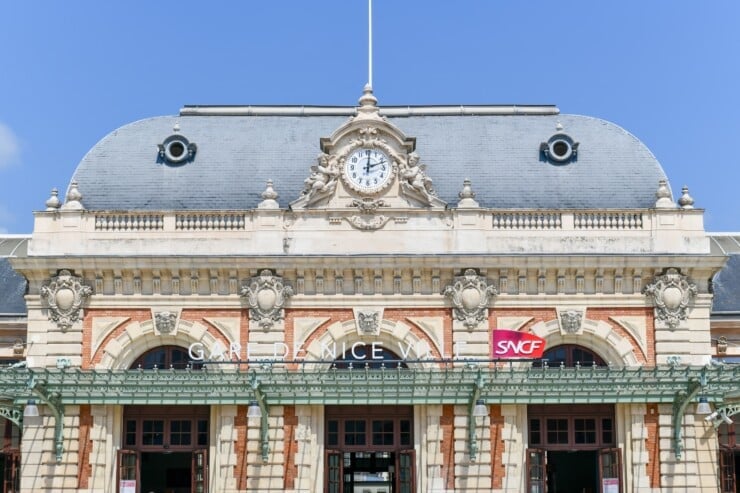
- The train station (Nice-Ville) connects you across the coast and inland
- Public transportation around the city is reliable and cheap
- Most main areas are walkable
Travel tip: Don’t rent a car unless you’re heading inland (to the Gorges du Verdon or Provence villages) or want total flexibility. For coastal towns, the train is easier.
A City With Real Depth
Nice has a long history and was a destination for the European upper class in the 1800s, including figures like Queen Victoria. That legacy still shapes the city’s architecture, parks, and Promenade.
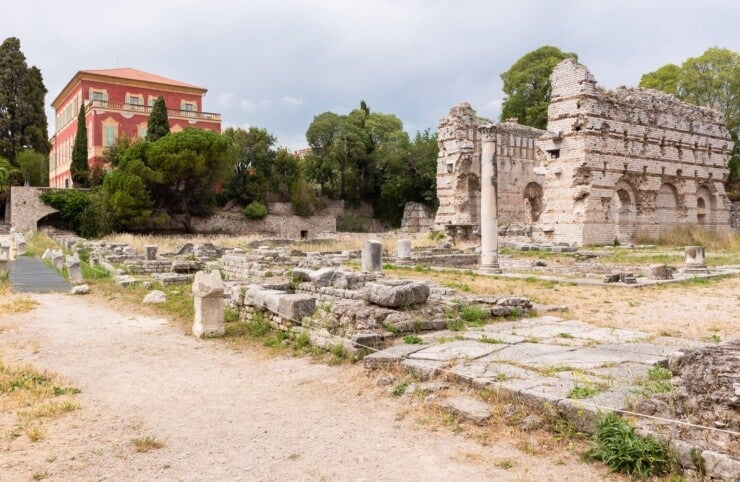
So if you’re looking for culture and history, it’s all around in Nice. A few of my favorites include Roman history at the archaeological museum in Cimiez; Belle Époque grand hotels from the 19th century; and world-class art at the Musée Matisse and the Marc Chagall National Museum.
Nice Has Its Own Food Identity
Niçoise cuisine is a Mediterranean regional cuisine from the area around Nice, France, characterized by olive oil, anchovies, tomatoes, herbs, and Ligurian influences, distinct from the butter-based cuisine of northern France.
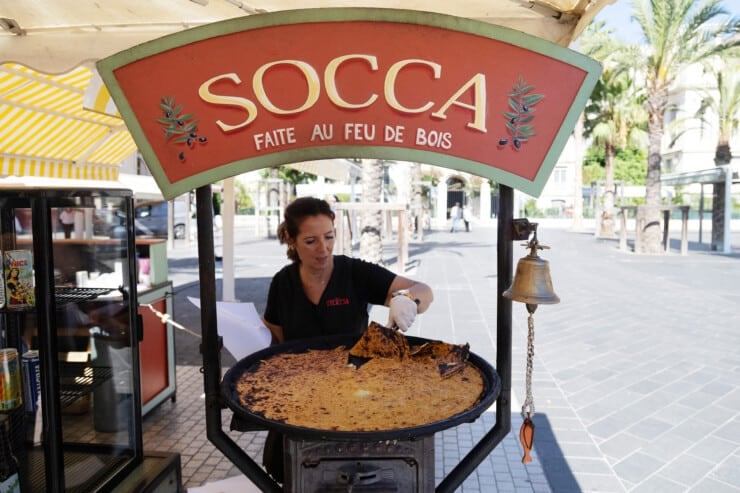
If you want one good reason to choose Nice, the food is it. This isn’t Parisian French cuisine. It’s Mediterranean, so you’ll see olive oil instead of butter and seafood over braised meats. The city shares direct roots with Ligurian cuisine from nearby Italy (Nice was part of the Kingdom of Sardinia until 1860), which is why you’ll see classics like socca, pissaladière, toure de blette, tapenade, and petits farcis.
Some of the best things to do in Nice revolve around food:
- Walking the local markets first thing in the morning
- Eating local street food straight from the vendor
- Drinking local wines that never leave the region
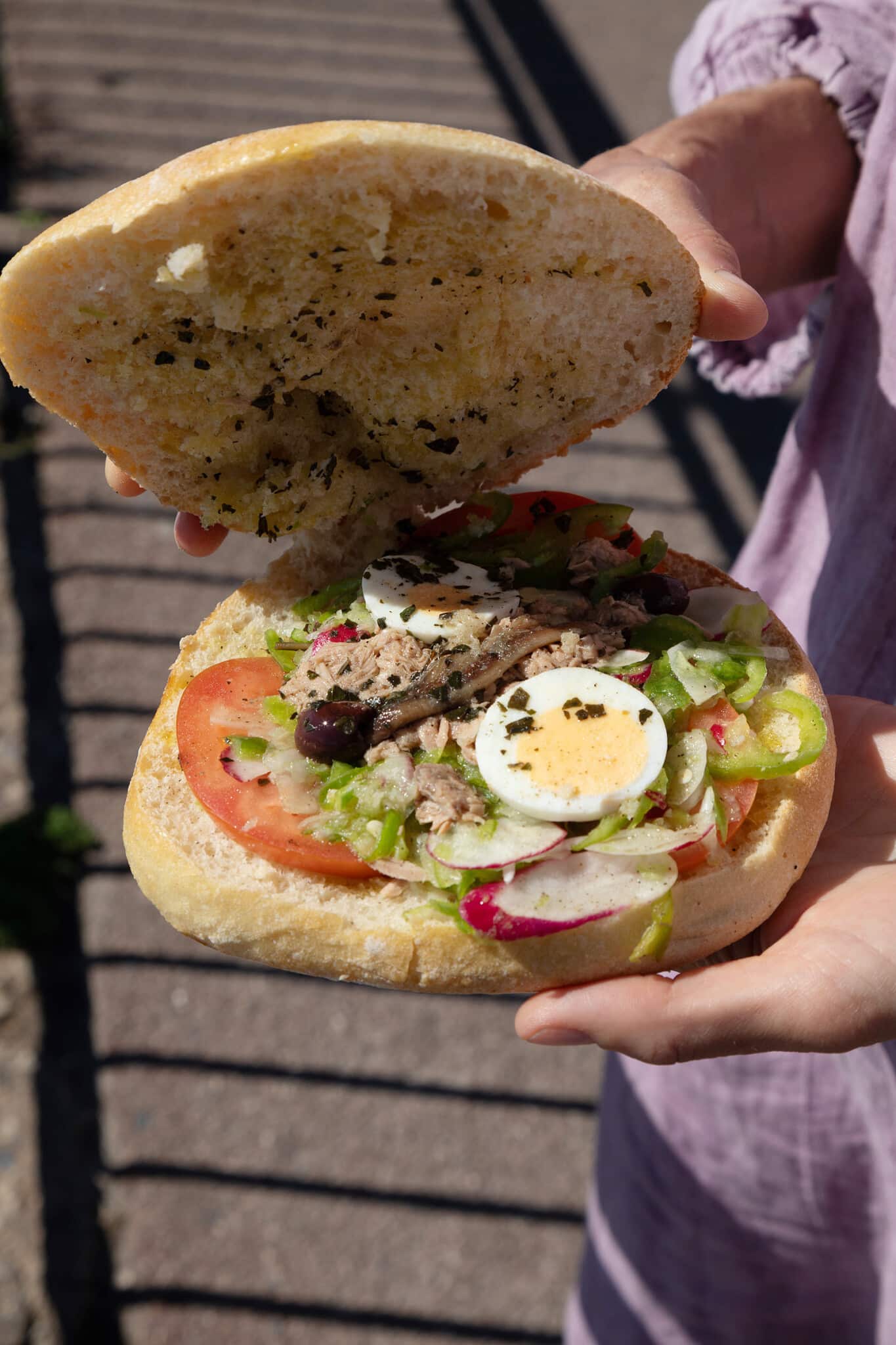
- Dining at a small restaurant with a short, market-driven menu of classics like Salade Niçoise or Pan Bagnat
Places I’m Happy to Send You
For socca, go to Chez Thérésa. For wine, head to La Pêche à la Vigne, a place that feels local rather than staged, or to Cave Tambour as a close second. And if you want the fastest way to understand how Nice actually eats, book the private food tour we run with a local chef we’ve worked with for years.
A Morning in Nice (My Actual Routine)
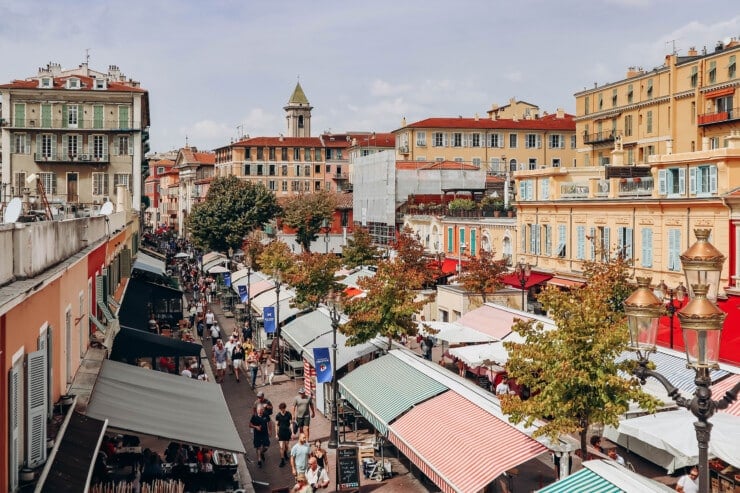
If I’m in Nice, my ideal morning would start with a run along the Promenade des Anglais (and perhaps a rest in the famed blue chairs) or a hike up Castle Hill (where the midday canon goes off daily). Then time to walk among the gardens and old town before meeting friends for coffee over by the Old Port. That’s it. That’s the routine. Nothing elaborate, but it’s the kind of thing you can only do if you’re somewhere long enough to have a routine at all.
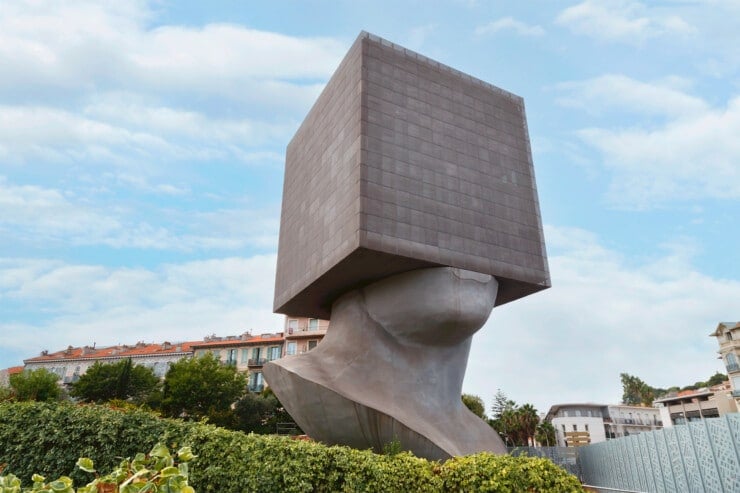
My Go-To Nice Half-Day
If I had one half-day in Nice filled with sunshine, this is what it would look like:
- Walk along the water or to the Jardin Albert 1er
- Graze the market stands, eating local foods as I go
- Shop the master artisan producers like Le Clos de Laure
- Spend time with art and architecture, especially the Tête Carrée library
- Finish with an ice cream from Fenocchio in Old Town
It’s not a checklist. It’s the version of Nice I keep coming back to.
What to Do in Nice, France
Nice isn’t a place to rush through a checklist of top things. There’s something for everyone here, so reach out if you want help finding a vintage store, an art gallery, or anything else specific. But if you want structure, here’s a shortlist.
Explore the Old Town of Nice
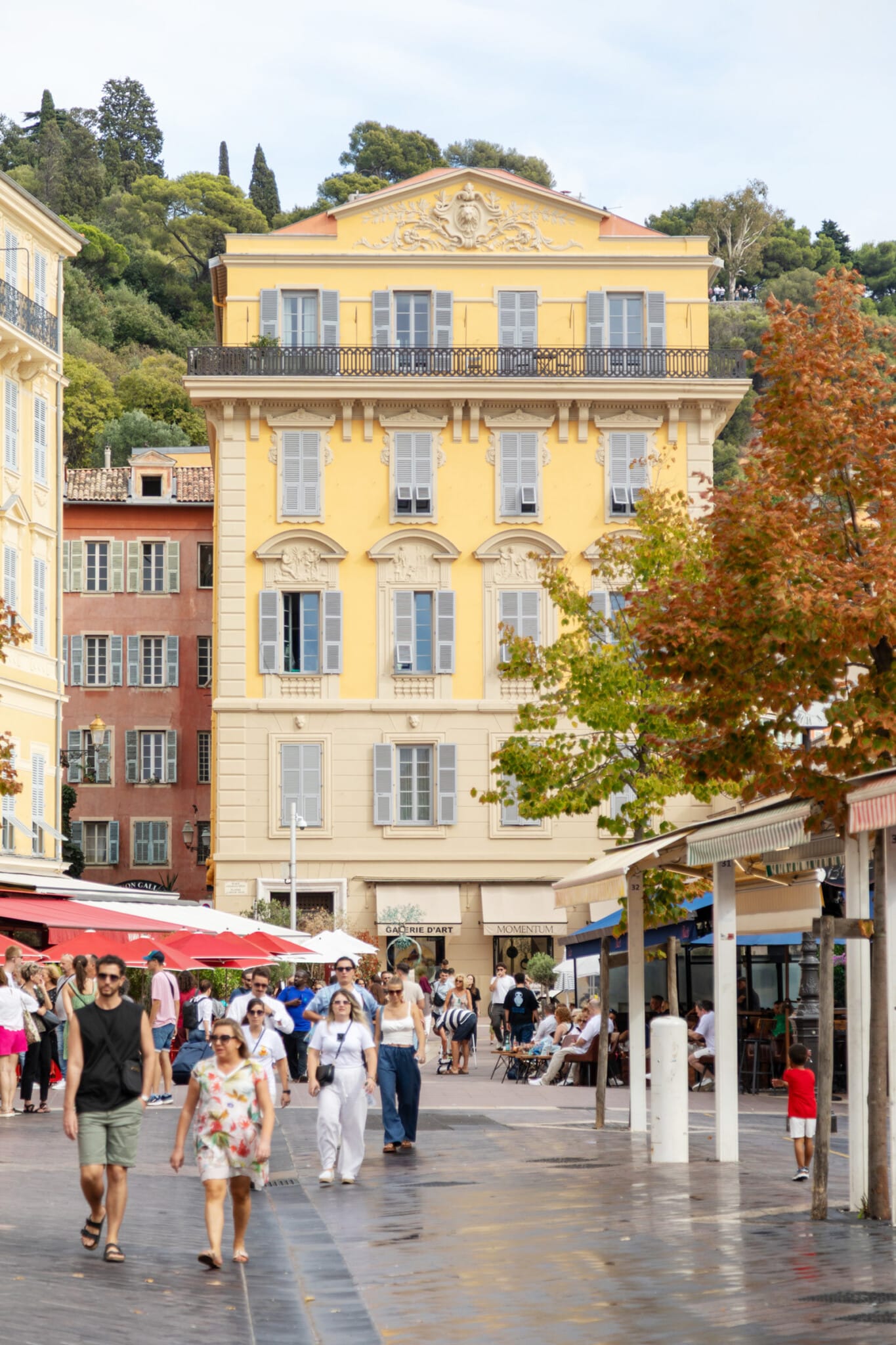
Old Nice (Vieux Nice) is the historic quarter of Nice, France, known for its narrow streets, baroque churches, and the daily Cours Saleya market. It’s one of the most popular places in the city and, in parts, the most touristy. The trick is timing: go early morning or early evening to avoid the worst of the crowds. Midday in July is the tourist-trap zone you’re trying to avoid.
Visit Markets and Local Shops
The Cours Saleya market is a great place for fresh produce, flowers, and local products, though many of our local friends hit up the less-crowded Marché de la Libération instead. It runs every day except Monday, when Cours Saleya becomes a flea market worth browsing if you have plenty of time.
The local shops along Rue Pairolière (just north of Old Town) are where I send clients looking for pantry goods to take home.
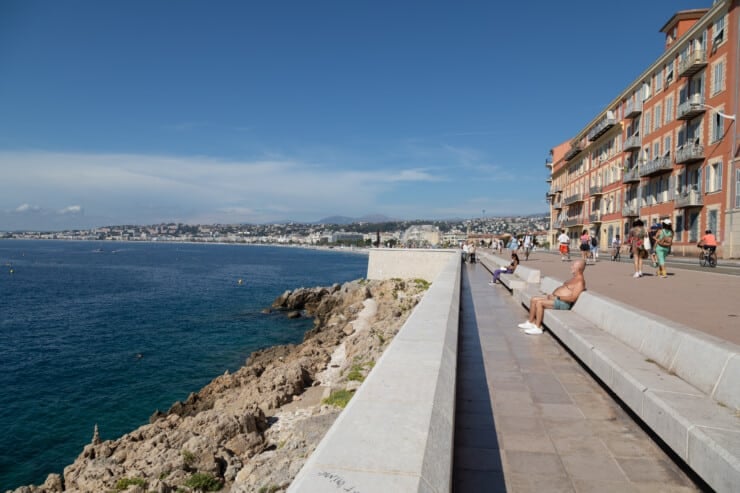
Walk the Promenade des Anglais
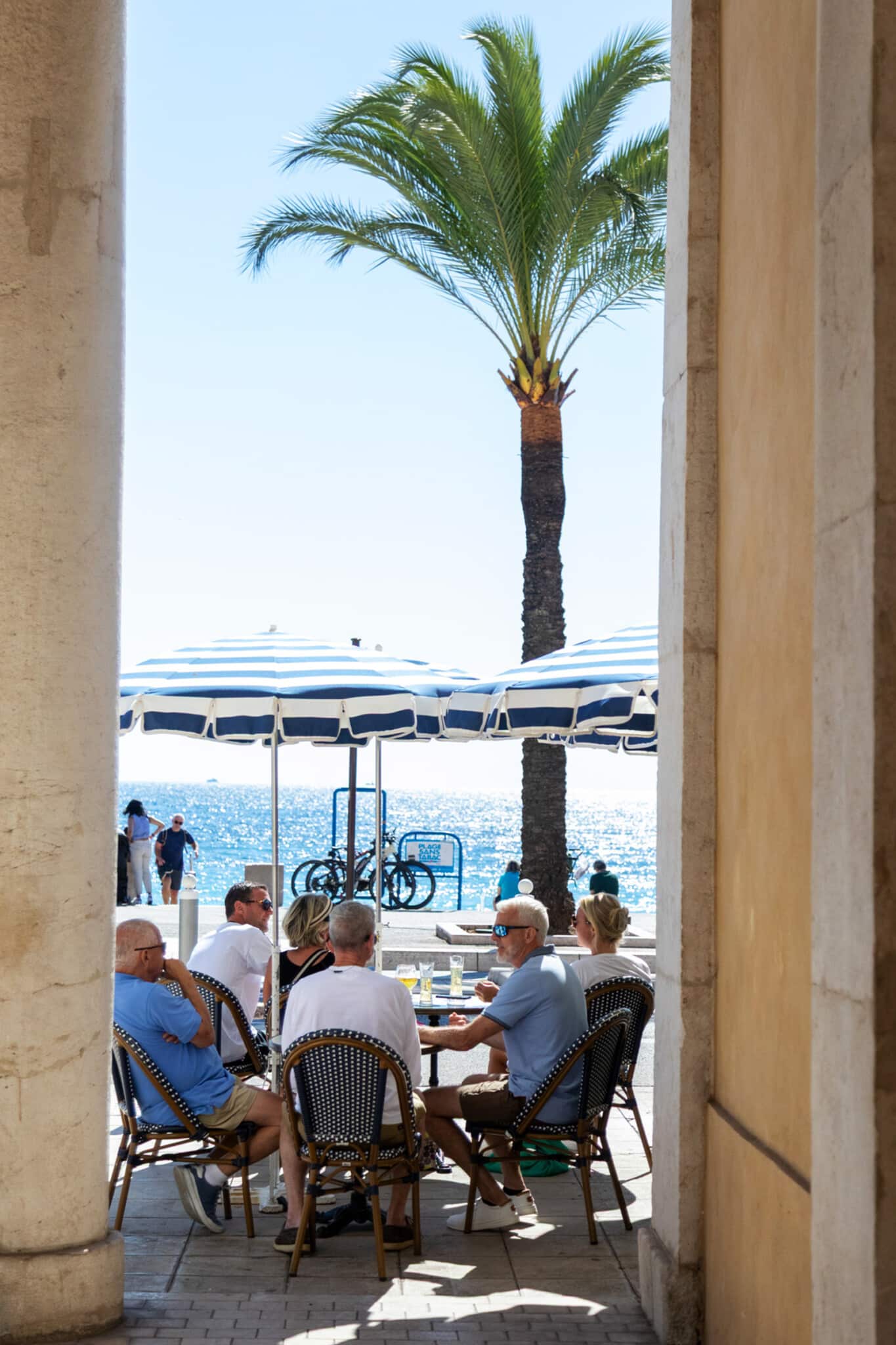
The Promenade des Anglais is a 7-kilometer seafront walkway along the Bay of Angels in Nice, built in the 1820s and funded largely by the city’s British expatriate community. Also known as the English Walk, this palm-lined seaside promenade is one of the city’s most iconic spots. It’s a great spot for a short walk before dinner, people watching, or just sitting and taking in the Mediterranean.
Spend Time in the City Center
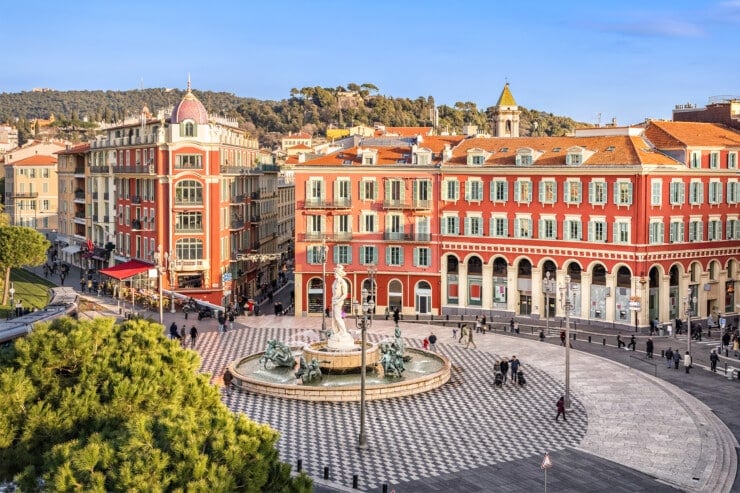
The city center is where everyday life happens. Check out Place Masséna (the main square), Avenue Jean Médecin (shopping street), and the Promenade du Paillon (a public park that cuts through the city). Walking this stretch helps you understand how Nice actually operates day to day, beyond the postcard version.
Visit Museums and Cultural Sites
If you have a full day, head to the Cimiez neighborhood for art like The Chagall Museum or wander the gardens of the Franciscan Monastery.
Travel tip: If you’re planning to visit multiple museums, consider the Nice Museum Pass or even the French Riviera Pass, which bundles transit and attractions across the region.
Take a Boat Trip
If you’ve got a half-day to kill and perfect weather, a short boat trip out of the Old Port toward Villefranche-sur-Mer gives you the best possible view of the coast. It’s touristy but in the best way.
Catch Live Music or a Festival
If you’re in town in July, the Nice Jazz Fest brings live music to Place Masséna and the Théâtre de Verdure. In February, the Nice Carnival takes over the city. Both are worth planning around, though they also mean higher prices and bigger crowds.
The Best Day Trips From Nice
You don’t need to (nor should you) do all of these day trips from Nice. I’d recommend staying in Nice for at least 3 nights and taking only one day trip during that time. You can get to a lot of places from Nice (skiing, hiking, medieval villages), so the best day trip really depends on what you want to experience.
Saint-Paul-de-Vence (a personal favorite)
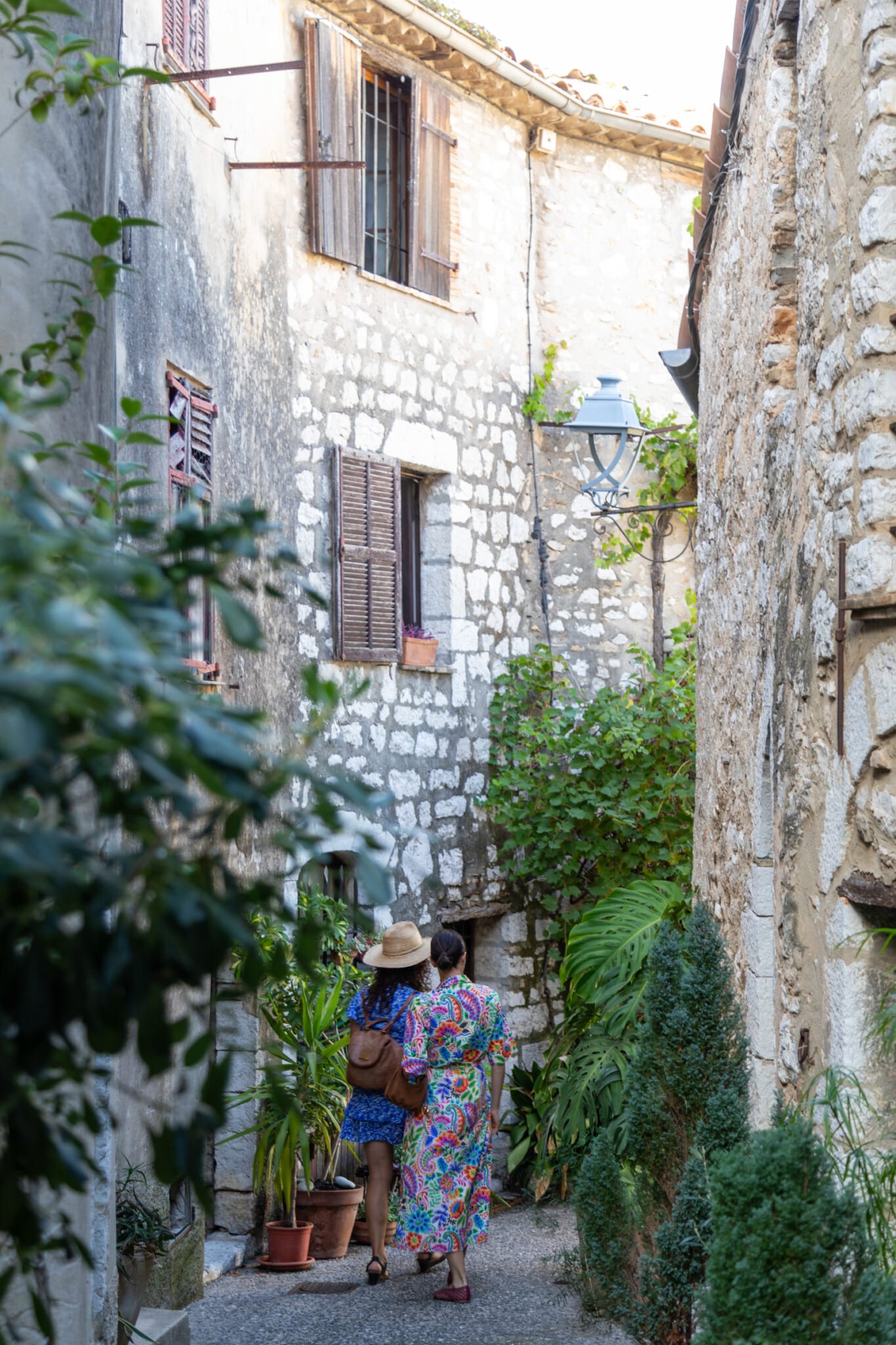
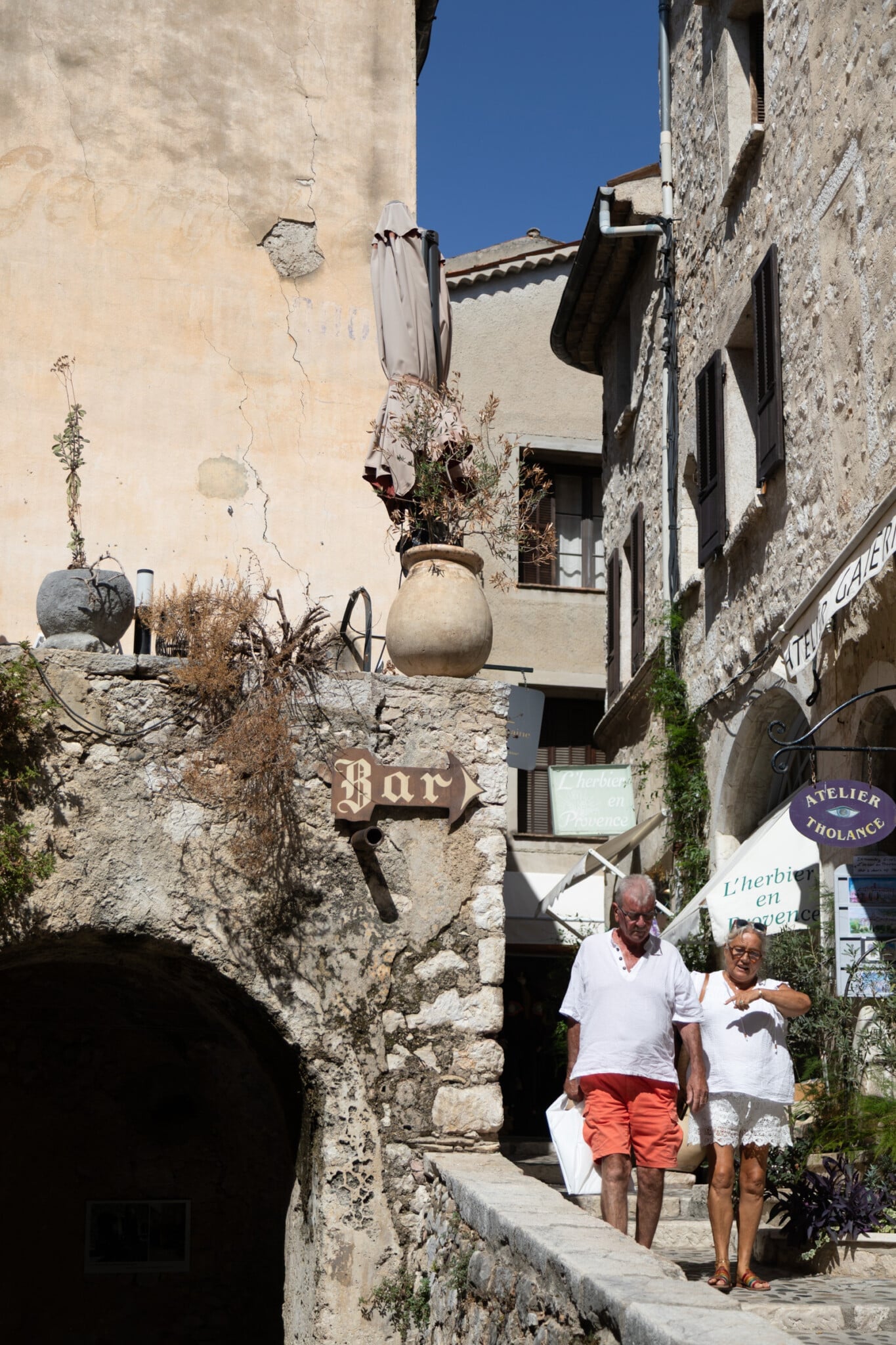
Saint-Paul-de-Vence is a fortified medieval village 20 kilometers northwest of Nice, known for its long history as a gathering place for 20th-century artists. There’s something about sitting on a terrace overlooking the hills and then wandering through the art galleries that always reminds me why I love this part of France. The Fondation Maeght is one of the best small art museums in Europe, while a meal (or stay) at the Colombe d’Or is one to remember.
Antibes
Antibes is a great spot for markets, the coastline, and a relaxed feel. This small town has a fort, a lovely old town, and some of the region’s prettiest beaches (and hotels). It’s perfect for a half- or full-day.
Èze
This is the iconic hilltop village most people picture when they think of the South of France hill towns. It’s a Moorish village with panoramic views of the Mediterranean and home to luxury hotels like the famed La Chèvre d’Or. If you’re after an adventure (and a leg burner), you can walk up via the challenging Nietzsche Path.
Menton
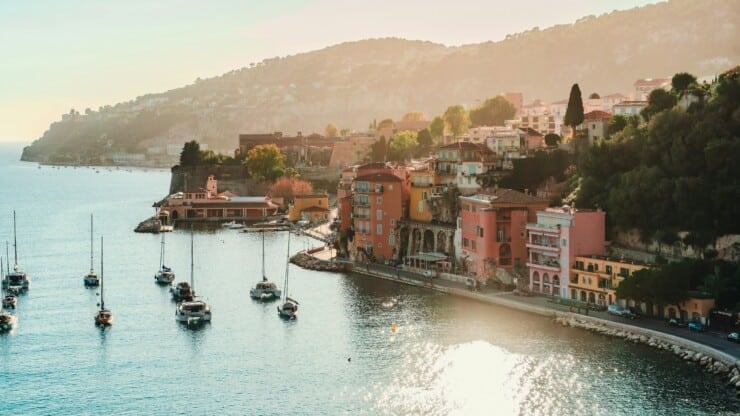
Sitting just on the French side of the Italian border, Menton is colorful, slightly more Italian, and a bit slower-paced. It has a lovely market and is home to one of the world’s most celebrated restaurants, Mirazur.
Pairing the coast with the countryside? Our guide to the villages and markets of Provence covers what’s just inland.
Where to Stay in Nice
When it comes to lodging, I steer clients toward places that feel like they belong to the city rather than generic luxury. Nice has a wide range of accommodations, from historic hotels (Le Negresco) to big-name chains, boutique properties, and apartment-style stays.
Luxury, but not flashy
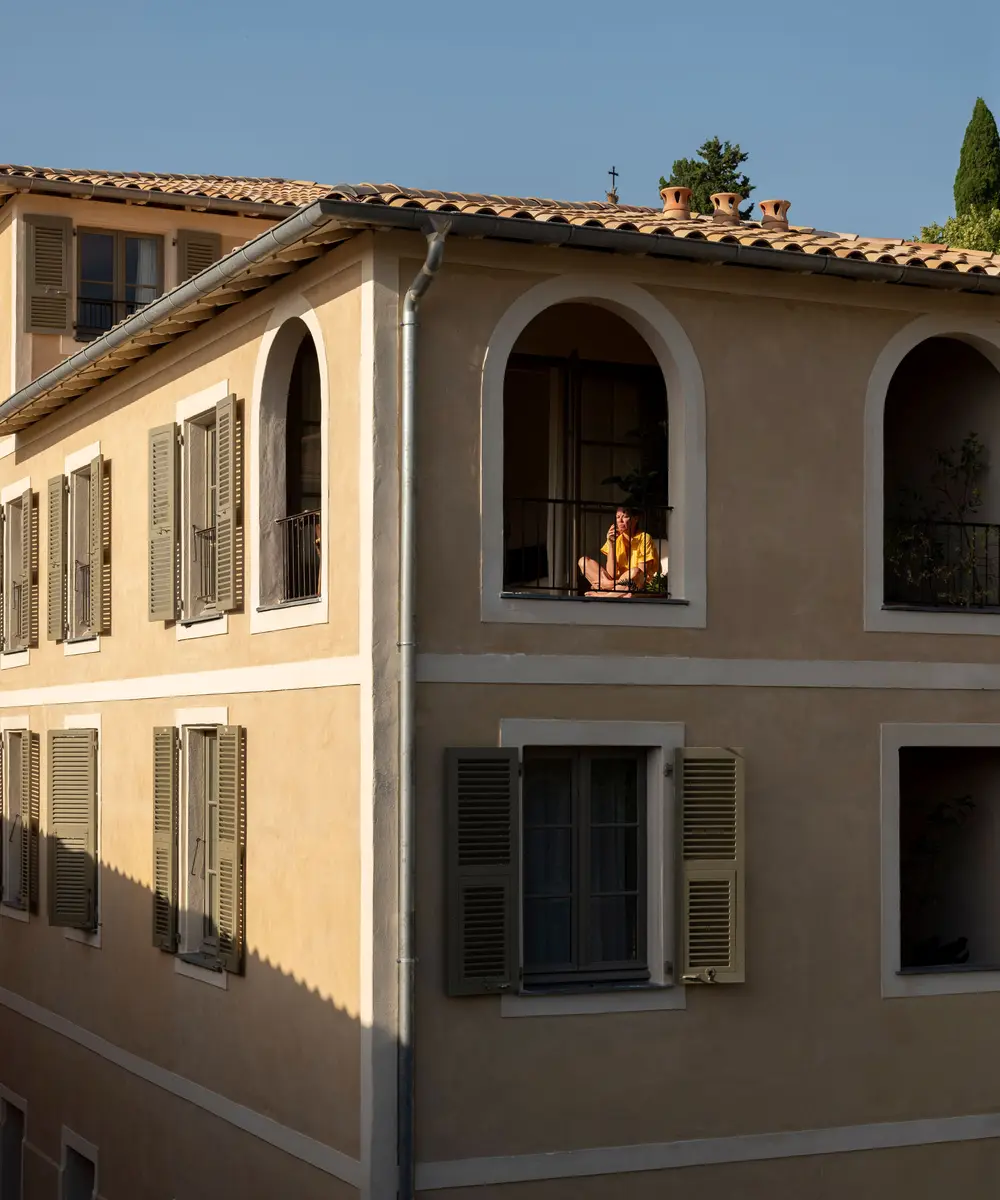
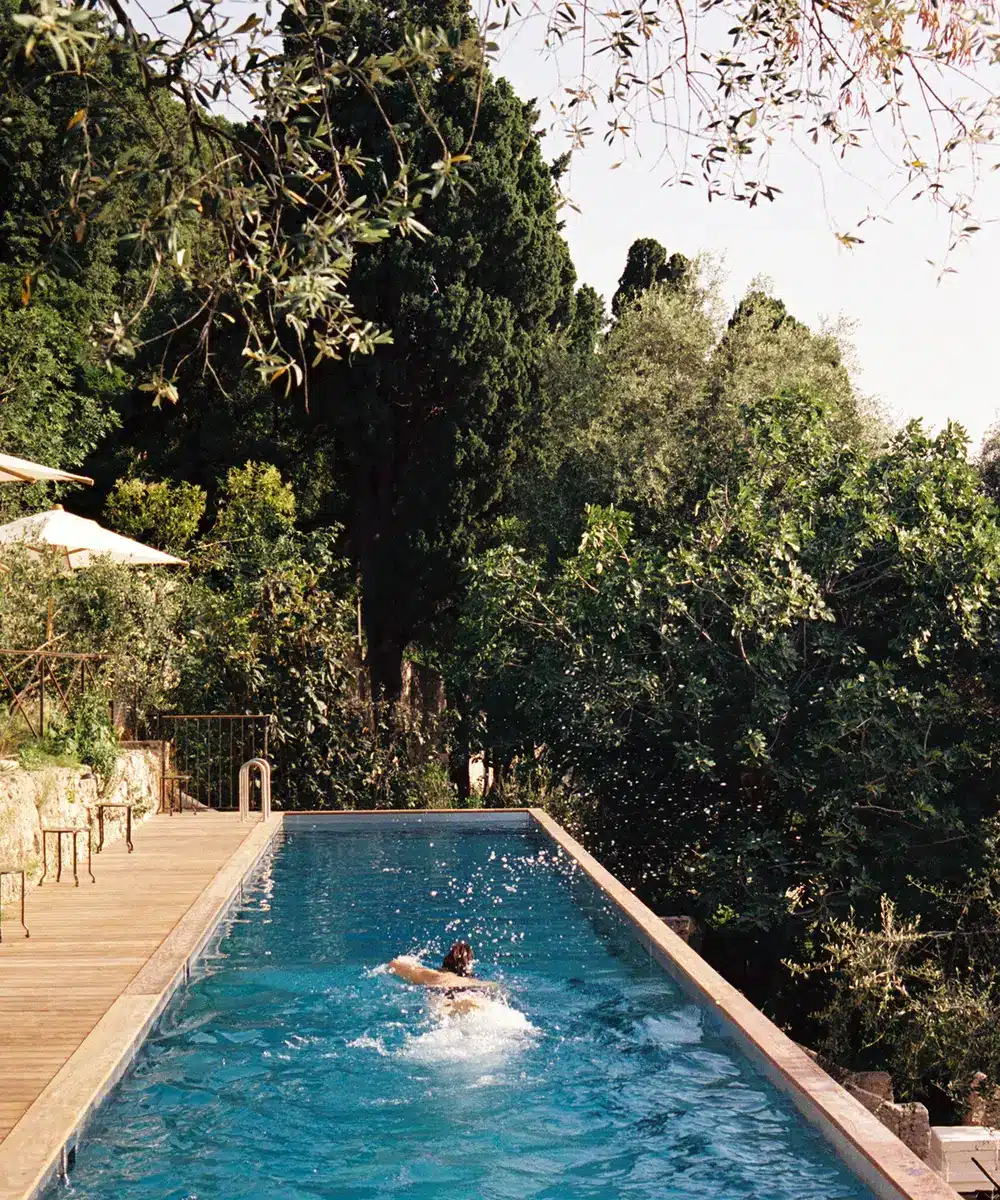
Hôtel du Couvent (photos above) is a restored 17th-century convent in the heart of Old Town. Refined, quiet, and deeply connected to the city. This is where I send clients who want the best without the Riviera gloss.
Chic and modern (great for couples)
Anantara Plaza Nice Hotel. Modern, polished, on par with the Anantara brand, and yet still has a sense of place. This is good for couples who want a design-forward stay with a strong location.
Boutique and intimate
Hotel Amour Nice. Smaller, more personal, a great option if you want character over formality. Note: tiny rooms, and it’s in the heart of the city (not near the water).
Apartment-style (families and long stays)
L’Abeille Nice. For families or anyone staying a week or more, apartments work better than hotels. More space, a kitchen for market runs, and lower nightly cost. For the wider picture, see how we help families choose the right European destination for their kids.
Salt & Wind Travel’s rule of thumb: For trips of less than a week, we recommend hotels. For a week or more, especially with kids, apartments almost always win.
Get in touch if you want us to book your hotel. We often secure perks like upgrades, resort credits, and free breakfast through our partner relationships.

How to Plan Based on Your Travel Style
The “best” Nice itinerary depends entirely on who you’re traveling with.
Families
The single most useful tip I give families: balance city activities with outdoor time. Nice has both, but it’s easy to over-index on one.
- Climb to Castel Hill (Colline du Château or Castle Hill) for the playground at the top and one of the best panoramic views of the city
- Spend a half-day at a beach club with chair rental rather than trying to rough it on the pebbles
- Use the Promenade du Paillon for a kid-friendly green space in the city center
Couples (Nice vs St. Tropez vs Cannes)
The question we get most from couples is “Nice or St. Tropez?” — and occasionally Cannes gets thrown into the mix. After our experience planning these trips for over a decade, they’re totally different animals: St. Tropez is good for lounging and partying; Cannes is for a quieter vibe than Nice; and Nice is for a city with culture and beaches, too.
| Factor | Nice | St. Tropez | Cannes |
|---|---|---|---|
| Size | City (~340k) | Small port town | Mid-size resort town |
| Vibe | Urban, lived-in, Mediterranean | Glitzy, clubby, yachts | Polished, festival-driven |
| Best for | Base-and-explore travelers, foodies | Spa, yacht, and nightlife seekers | Couples wanting coastal polish |
| Day-trip access | Excellent (rail to all coastal towns) | Isolated (requires car) | Moderate |
| Beach type | Pebbled | Sandy | Pebbled + sandy |
| Our usual pick | First choice for most couples | Only if it matches the brief | Secondary option |
Honeymooners
The biggest mistake honeymooners make in the South of France: they try to do way too much at once, and they don’t budget appropriately. They fixate on known names like St. Tropez instead of talking with someone who knows the region, which is how you end up overpaying for a base that doesn’t fit your trip.
Planning a honeymoon? Our honeymoon planning service is built for exactly this.
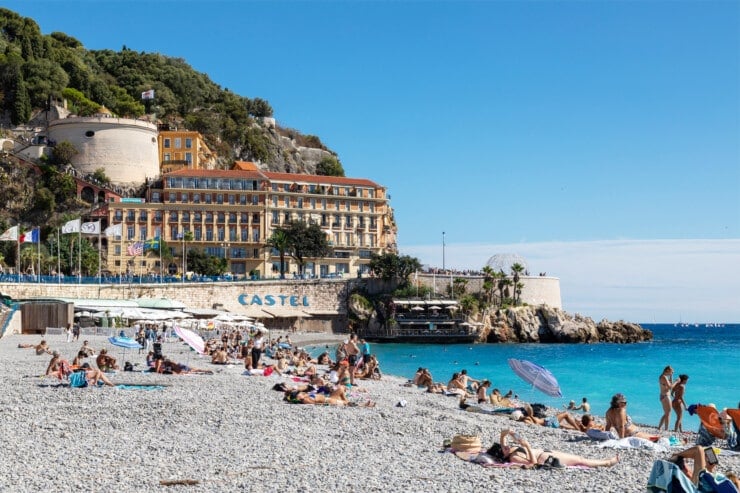
What I Don’t Like About Nice (Honest Take)
For all the love I’m putting out there, it’s important to note that Nice is far from perfect. It’s a real city, not a resort, so here’s what you should know going in:
- Grittiness. It’s a big city, and it can be congested in some places and scruffy in others. Don’t expect Cannes-level polish everywhere.
- Pebbles, not sand. The beaches are pebbly, so you’ll want a beach chair and flip-flops. If a sandy beach vacation is the priority, St. Tropez, Narbonne, or the Atlantic coast may be a better fit.
- Old Town gets touristy. Some stretches near Place Rossetti are full-on tourist traps at peak times.
If you want a village-only escape with no urban texture, Nice isn’t your match. But if you want a real city with Mediterranean bones and easy access to everything else, it’s hard to beat.
Best Time to Visit Nice
The best time to visit Nice, France, is late spring (May to early June) and early fall (September to early October), when temperatures are warm, but crowds are lower than peak summer. Midsummer (late July and August) is the most crowded and expensive window. It’s still beautiful, but not my personal first choice.
Who Nice Is (and Isn’t) For
Nice is the right base if you want to explore the South of France by train or car while still having access to city culture and beaches. It’s not the right base if you’re looking for a small, idyllic village setting or need a villa or sprawling property.
Good fit for:
- Families wanting city and outdoor balance
- Couples who want access over isolation
- Honeymooners looking for substance and flexibility
- Multi-generational trips with varied interests
- Food-focused travelers
Not a great fit for:
- Sandy-beach-only vacations
- Small-village-only trips
- Travelers who want a single resort campus
Frequently Asked Questions About Nice France
Yes. Nice is consistently one of the most-visited cities in France and is a strong pick for travelers who want a Mediterranean climate, world-class food, train access to the rest of the Riviera, and real urban depth in a single base.
Yes. It offers central access, reliable transportation, real city depth, and day-trip flexibility. We've based 30+ client trips here for a reason.
No. They're pebbled. Bring flip-flops or rent a lounger at a beach club. If sand is a non-negotiable, look at Cassis or the Atlantic coast instead.
Go early morning or early evening, skip menus with photos, and eat where locals are eating (Chez Thérésa for socca is a safe bet).
Yes. Castel Hill, the Promenade, and the public parks give families outdoor time in the middle of a real city. For stays of a week or more, choose an apartment-style rental.
Yes, if you want a base with range rather than a single resort. We've planned honeymoons out of Nice for over a decade; however, it does not have hotels with sprawling resort grounds since it's in a city center.
Late spring (May to early June) and early fall (September to early October). Late July and August are the hottest and most crowded.
Not for coastal day trips (Monaco, Antibes, Menton, Èze are all reachable by train). However, you will need a car if you're heading inland into Provence, to hilltowns like Mougins or St Paul de Venuce, or to the Gorges du Verdon.
At least 4 to 5 days if Nice is your base, longer if you're day-tripping. Anything less and you're back in the "moving job" problem.

Recipes Inspired by Nice
Not heading to France quite yet? Here are a few of our favorite classic Niçoise recipes to make at home to stoke the wanderlust:
Plan Your South of France Trip
If you’re planning time in Nice, it’s worth zooming out to see how it fits into the bigger picture of the South of France. From the lavender fields of Provence to the vineyard-covered hills of Languedoc and the glamorous coastline of the Côte d’Azur, this region offers far more than just one city stop.
Our complete South of France guide breaks down the best places to visit, when to go, and how to plan a trip that balances food, culture, and iconic Mediterranean views, so you can design an itinerary that feels both effortless and unforgettable.
France Travel Guide
For a broader country context, see our free France Travel Guide for tips, recipes, and articles.
Ready to plan? Our team at Salt & Wind Travel specializes in designing tailored South of France journeys, from countryside villa stays to coastal getaways along the Côte d’Azur. Start your trip planning here.


2 thoughts on “Why Nice, France, is a Smart Base on the French Riviera”
Thanks for any other magnificent article. The place else could anyone get that type
of info in such a perfect approach of writing? I have a presentation subsequent
week, and I’m at the search for such info.
Just wish to say your article is as amazing. The clarity
in your post is just cool and i can assume you are an expert on this subject.
Well with your permission allow me to grab
your feed to keep up to date with forthcoming post.
Thanks a million and please carry on the gratifying work.