
🔑 Quick Answer: How to pair wine with food comes down to four steps: name the food’s main flavor, decide whether to complement it or contrast it, pick a broad style of wine, then narrow it down by the sauce. Salt and acid make wine taste better. Sweet and umami make it harder.
Key Takeaways
- Salt and acid are wine's friends, because they bring out fruit and sweetness and push down bitterness.
- Sweet and umami are the hard ones, so a dessert or a mushroom dish needs more thought than a steak does.
- The wine should be generally more acidic and/or sweeter than the food.
- Fat balances tannin, which is why Piedmont has been putting Nebbiolo with rich beef for a very long time.
Learning how to pair wine with food is mostly learning four moves and six rules, and after that you are improvising rather than guessing. We focus on California, France, Spain, Portugal, and Italy, which are regions where people have been working this out over a very long time.
Here in our home state of California, April is Down To Earth Month, when we focus on all things wine and sustainability. California is a global leader in sustainable wine production, with 80% of California wine made in a certified sustainable winery. As a consumer, you can support that by looking for and buying wines from California.
We have never shared a basic pairing guide until now, and this one comes with a California slant, in partnership with Discover California Wines. It covers everything from getting started to the classic pairings, and it takes on the genuinely hard ones too.
Best for: couples and friend groups; food & wine lovers, first-timers
Why Trust Us
I’m Aida Mollenkamp, and I hold WSET Level 2 in wine. Before founding Salt & Wind, I was Food Editor at CHOW magazine, where I ran the professional test kitchen, so most of what follows came from tasting things side by side rather than from a chart.
I am also a travel planner who curates itineraries for California, and most of our California clients add wine tasting to their trip. The questions below are the ones they ask before they go. Palates differ, and so does every vintage. Treat these rules as a starting point, not a verdict.
Why Food And Wine Pairing Matters
Food and wine make each other better. A successful pairing is symbiotic, and both flavors seem more vibrant and complex together than either does alone. Keep three things in mind before you start.
Think Of Wine As An Ingredient
Wine is just another ingredient in your meal. A peppercorn cream sauce adds spice and creaminess to a steak, and a wine can similarly add acidity, bitterness, or sweetness depending on its style.
Learn Classic Pairing Rules, Then Break Them
Some basic rules are worth mastering. But when it comes to specific pairings, classic options aren’t the only ones.
Don’t Stress
There are enough things to stress about, so do not add food and wine pairing to the list. Visit a reputable wine store and ask for help when you are in doubt.
How To Pair Wine With Food In Four Steps
You pair in four moves, and each one narrows the field before the next. This is the process. The six rules in the next section explain why it works.
Identify The Food’s Primary Flavor
If you cook, you are already used to tasting your food and balancing its primary flavors, meaning acid, bitter, sweet, salty, sour, spicy, and umami. Do the same here. A classic cheese soufflé is primarily salt and fat, while a coconut curry is spice, fat, and salt.
Choose To Complement or Contrast
There are two main ways to pair, because the wine and food can either complement each other or contrast. It helps to remember the classic flavor combinations that balance each other: sweet-salty, bitter-sweet, bitter-fat, bitter-salt, salt-acid, salt-spicy, and fat-acid.
Go For A Broad Style Of Wine
Now find a wine style that balances the food’s flavor. A complementary pairing would be BBQ and Zinfandel, because both have spicy notes and both are bold. A contrasting pairing would be salty potato chips with sparkling wine, because the wine’s acidity balances the chips’ fat and salt.
Look At The Food’s Subtler Flavors
Now get more specific. Is there a sauce with fruit, or capers, or a lot of herbs? Find a wine in your chosen style with similar notes. For example, salmon with a savory strawberry salsa pairs well with a fruit-forward rosé made from Pinot Noir.
The Six Rules Behind Those Steps
The four steps tell you what to do. These six rules explain why it works, and you fall back on them when a dish doesn’t fit the pattern.
Salt And Acid Are Friends Of Wine
These flavors enhance the qualities of wine that people enjoy, such as fruit and sweetness, while reducing off-putting ones like bitterness or tartness.
Sweet And Umami Are Foes Of Wine
Sweetness and umami do the opposite, which makes them harder to pair.
Wine Should Be More Acidic And Sweeter Than The Food
Remember this especially when you are dealing with a tart vinaigrette or a decadent dessert.
The Wine And Food Should Match In Intensity And Texture
Bold, multi-layered foods like Oaxacan moles pair well with equally bold red wines such as Syrah or Zinfandel. A delicate scallop crudo works with a similarly delicate white.
Fat Balances High-Tannin Wine
For proof, look to Northern Italy’s Piedmont region, where they have classically paired hearty beef dishes with their high-tannin local Nebbiolo.
Fish Oil And Tannin Do Not Like Each Other
High-tannin wines will not work with fish oils, which is why you typically see most seafood paired with white wine.
Wine And Food Pairing Chart
Use this wine pairing with food chart as a starting point, then adjust for the sauce rather than the protein.
| Wine | Pour it with | Why it works |
|---|---|---|
| Chardonnay | Lobster, shrimp scampi, crab | Weight matches richness |
| Cabernet Sauvignon | Grilled steak, red meat | Fat softens the tannin |
| Off-dry Riesling | Pad Thai, spicy food | Sweetness cools the heat |
| Pinot Noir | Mushrooms, lentils, duck | Earthy notes, low tannin |
| Sauvignon Blanc | Fresh goat cheese, herb sauces | High acid, herbaceous |
| Sparkling Brut | Oysters, chips, popcorn | Acidity cuts salt and fat |
| Syrah | Chicken shawarma, curry | Fruit stands up to spice |
| Zinfandel | Santa Maria tri-tip | Bold and jammy against smoke |
Speaking of all things California food and wine, here are the most popular wines you will find in the Golden State and their most-prized pairings.
Chardonnay With Creamy Sauces And Fatty Fish
Think lobster with drawn butter, shrimp scampi, or a dish like this Dungeness Crab Ravioli with a Meyer Lemon Cream sauce.
Cabernet Sauvignon And Red Meat
Many California wines are rich in flavor, high in tannin, and minerally in character, making them a perfect partner for a grilled steak.
Off-Dry Riesling With Spicy Food
Try Riesling with Classic Pad Thai to taste one of the most iconic pairings.
Pinot Noir With Earthy Flavors
High acidity, low tannin, and often earthy notes make Pinot Noir a perfect match for mushrooms, lentils, and duck.
Sauvignon Blanc With Fresh Cheese
These white wines tend to have herbaceous, solid flavor profiles and high acidity. The classic pairing is fresh goat cheese, but we also like it with herb sauces and Vietnamese or Thai food.
Sparkling Brut With Salty Snacks
Bring on the gougères, cheese, popcorn, potato chips, and French fries, because salty foods pair perfectly with Brut’s high acidity. A close second is the classic pairing of oysters and sparkling wine, but the truth is sparkling wine is versatile enough to drink right through a meal.
Syrah And Spices
This rich, fruit-forward wine is a dream pairing with heavily spiced foods such as chicken shawarma, Indian curry, or Mexican cuisine.
Zinfandel And BBQ Tri-Tip
The classic California red-meat cut is Santa Maria-style tri-tip, and while it pairs well with a range of reds, we are partial to Zinfandel’s fruit-forward, bold, jammy flavors.
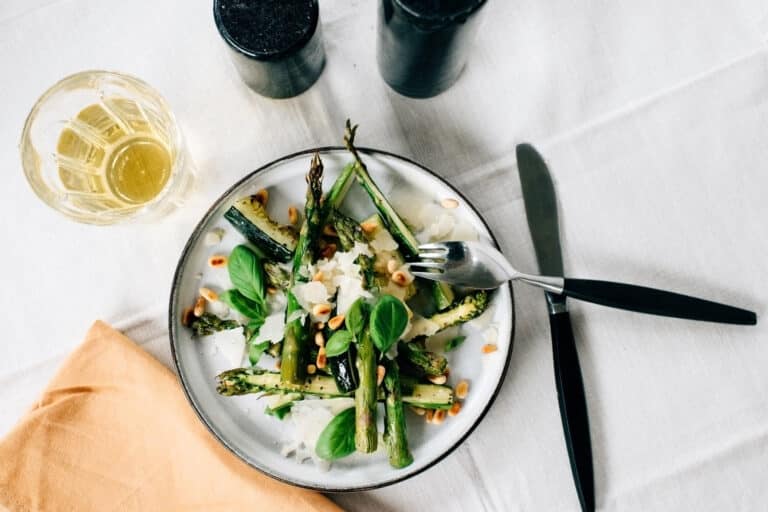
What’s In Season In California In Spring
April is Down to Earth Month in California, and it is also when our local farmers’ markets fill up with spring produce. The list of crops grown in California is extensive, with more than 400 specialty crops cultivated here. In spring, in-season crops include asparagus, artichokes, avocados, cantaloupe, cherries, cucumbers, fennel, figs, table grapes, herbs, leaf lettuce, peas, peaches, and strawberries.
The Tricky Wine Pairings
Some foods fight wine, and it is almost always for a reason you can name. Here are the most common ones, and what to do about each.
Artichoke Wine Pairing
You can thank the acid cynarin for making everything taste sweet after you eat an artichoke. That is also why it is tricky to pair wine with them. The best choices are dry, high-acid wines that counteract the sweetness, so you will often find artichokes served with Sauvignon Blanc or an unoaked Chardonnay. Viognier, Pinot Grigio, Grüner Veltliner, or even a dry sherry will also work.
Perfect Pairing: Lemon-Basil Chicken Artichoke with Sauvignon Blanc
Asparagus Wine Pairing
The amino acid methionine in asparagus contributes a grassy, vegetal taste in wine. You will often see sautéed, steamed, or raw asparagus paired with wines that balance that flavor.
Prime examples include Pinot Grigio, Sauvignon Blanc, White Zinfandel, or an off-dry Riesling. When you grill, roast, or serve the asparagus with a sauce, pair it with a light- to medium-bodied red instead, such as a slightly chilled rosé or Pinot Noir.
Perfect Pairing: Charred Asparagus Salad with Rosé of Pinot Noir
Avocado Wine Pairing
Avocados do not have a strong flavor, so be careful not to overwhelm them. Their high fat content means you want a wine with acidity, but it should still match the food’s intensity. Choose brut sparkling, unoaked Chardonnay, Grüner Veltliner, Sauvignon Blanc, or a rosé.
Perfect Pairing: Fried Avocado Tacos and Brut Sparkling Wine
Fennel Wine Pairing
The anise flavor of fennel puzzles people, but it doesn’t have to. To complement raw fennel, opt for Sauvignon Blanc, Pinot Gris, or Sémillon. If the fennel is roasted as a side or alongside roasted meat, it also pairs well with Barbera, because that grape carries an anise note of its own.
Perfect Pairing: Fennel Mascarpone Brie Puff Pastry Bites with Pinot Gris
Egg Wine Pairing
Egg yolk coats the palate and flattens most wine, which is why brunch defeats so many good bottles. Sparkling wine is the reliable answer, because the bubbles and acid cut straight through the fat. A dry sparkling rosé handles a rich egg dish better than a still white will, and it keeps working through whatever else is on the table.
Perfect Pairing: A soft-set omelet with dry sparkling rosé
Vinaigrette And Salad Wine Pairing
Vinegar is the problem here rather than the greens, because sharp acid in the dressing makes the wine behind it taste flat and hollow. You have two moves. Either pour something with even higher acidity, which means Sauvignon Blanc, Grüner Veltliner, or a dry Riesling, or cut the vinegar in the dressing and lean on lemon and olive oil instead. The second one usually tastes better.
Perfect Pairing: A citrus-dressed green salad with Grüner Veltliner
Chocolate And Dessert Wine Pairing
The rule is simple and almost always broken: the wine has to be sweeter than the dessert, or it tastes thin and bitter next to it. A dry red with chocolate cake is the classic mistake. Go for a fortified or a genuinely sweet wine instead, so Port with dark chocolate, or a late-harvest wine with fruit desserts.
Perfect Pairing: Dark chocolate clusters with Port
Strawberry Wine Pairing
Finally, the berry California is best known for. Strawberries grow year-round in parts of Southern California, but they come into the market across the state in spring. Our go-to pairing is sparkling rosé, which feels right for toasting a spring holiday.
Perfect Pairing: Strawberry Cardamom Tartlets with Rosé Sparkling Wine
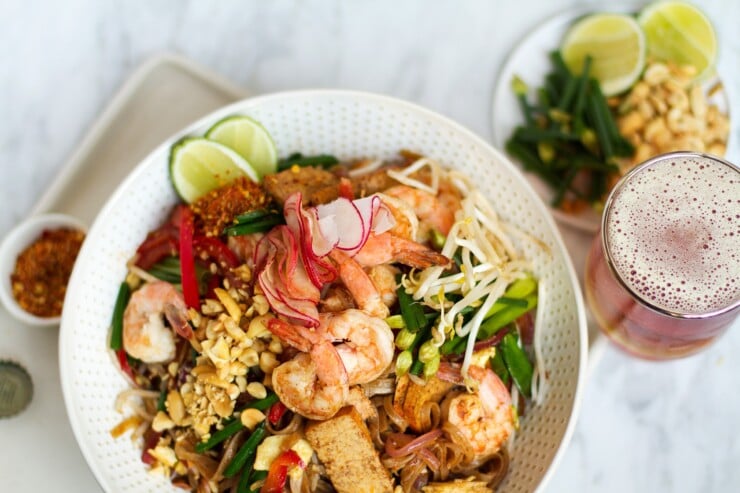
Wine With Chinese, Thai, Vietnamese, And Mexican Food
These four are asked about more than anything else, and the honest answer is that each has its own logic rather than a single bottle that covers it all.
Chinese Food Wine Pairing
Chinese food is not one cuisine, so the answer depends on which regional kitchen you are ordering from.
Sichuan and anything chili-heavy wants an off-dry Riesling or a Gewürztraminer, because a little residual sugar takes the burn down without flattening the dish. Cantonese roast meats and Peking duck take a light red with low tannin, so Pinot Noir or Gamay rather than Cabernet. Dim sum and anything fried go with sparkling wine, for the same reason sparkling works with crisps. Soy-heavy braises are the hardest of the four, because soy brings salt and umami at once, so reach for a fruit-forward red with soft tannin and keep the oak out of it.
Perfect Pairing: Peking duck with a Sonoma Pinot Noir
Thai Food Wine Pairing
Thai food runs heat, sweetness, sourness, and fish sauce all at once, which is why one grape handles it better than any other.
Off-dry Riesling covers all four: the residual sugar cools the chili, the acidity meets the lime, and the fruit stands up to fish sauce without being erased. That is the pairing we already recommend with Pad Thai. Coconut curries are richer and need more weight, so a Viognier or a lightly oaked Chardonnay works better. Som tam and the sharper salads go the other way, toward a high-acid Sauvignon Blanc.
Perfect Pairing: Green curry with Viognier
Vietnamese Food Wine Pairing
Vietnamese is the easiest of these four for wine, because it leans on herbs and lime rather than heat.
Mint, coriander, and Thai basil all point to a green, herbaceous white, so Sauvignon Blanc or Grüner Veltliner. Pho is the exception worth knowing: the broth is savory and delicate at the same time, and a big white bulldozes it, so pour a light red like Gamay or a dry rosé instead. Bánh mì takes sparkling wine, for the same reason sparkling works with anything fried and rich.
Perfect Pairing: Pho with a chilled Gamay
Mexican Food Wine Pairing
Three things make Mexican food hard to pair with wine, and they usually arrive together: chili heat, lime, and char.
Keep the alcohol down first, because alcohol amplifies burn, and a 15% red will make a hot dish hotter. Lime and acid want a high-acid white, so Albariño or Verdejo. Char and smoke from al pastor or carne asada want a fruit-forward red with soft tannin, which is where the Syrah recommendation further up this page comes from. Mole is the hardest thing on any Mexican menu for wine, because it brings chili, bitterness, and sweetness at the same time, so try a Zinfandel or a Grenache blend.
Perfect Pairing: Carne asada with a fruit-forward Syrah
Frequently Asked Questions
Work in four steps. Name the dish's dominant flavor, decide whether you want the wine to echo it or cut against it, choose a broad wine style based on that, then narrow it down using the sauce rather than the protein. The sauce is usually the loudest thing on the plate.
Six carry most of the weight. Salt and acid in the food flatter the wine. Sweet and umami fight it. The wine should be sweeter and more acidic than the dish. Match intensity to intensity. Fat balances tannin. And oily fish and high-tannin reds do not get along.
Salty and fatty things, because they make almost any wine taste better. Olives, nuts, hard cheese, cured meat, and good crisps do more for a bottle than anything sweet will. If you are pouring one wine all evening, a dry sparkling wine handles the widest range.
Artichoke and asparagus are the two that come up most, and both have a chemical reason behind them rather than a matter of taste. Eggs, vinegar-heavy dressings, and chocolate are the other three that defeat most bottles. Chili-heavy food is not actually hard once you know the trick, which is to drop the alcohol and pick up a little residual sugar.
The chart above covers the eight most common combinations, with the reason each one works. Use it as a floor rather than a ceiling: it will get you to a good bottle for a given dish, and the four steps further up will get you to a better one once you know what the sauce is doing.
It matters most in the extreme. In other words, a badly matched pair makes a good wine taste metallic or hollow, and a well-matched one makes both taste like more than they did alone. For most weeknight cooking, any wine you enjoy is the right answer.
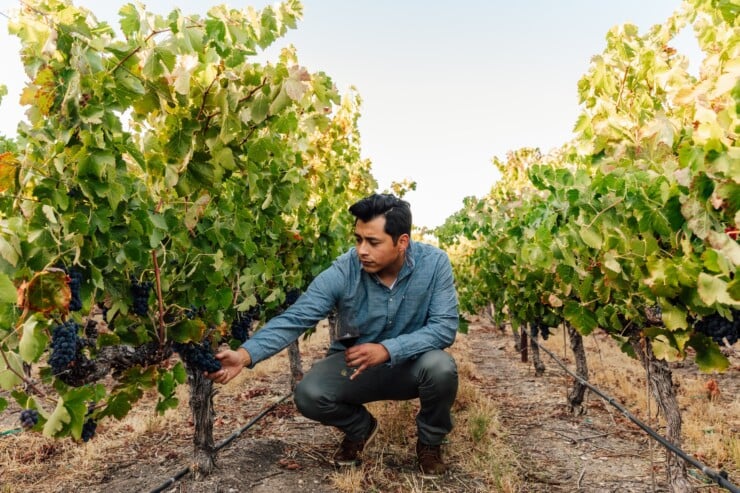
Monterey Wine Tasting Tips
Heading to Carmel or Big Sur on a California road trip? You may also want to schedule some downtime for wine tasting, as Monterey County’s wine is well worth exploring. From what style of wines are made there to how wine tastes in Carmel and where to go, we’ve covered all the Monterey wine tasting tips for you.

Healthy California-Inspired Recipes
Want even more recipe ideas? Here are a few recipes inspired by our home state of California:

California Road Trip Travel Guide
Thinking about taking a road trip in the Golden State? You’ll want to check out our California Road Trip Travel Guide for travel tips, itinerary ideas, and more California-inspired recipes.
Have Us Plan Your California Trip
Did you know we’re also a boutique travel agency specializing in California vacation planning? If you want to plan a trip to California, our California trip planner services are here to help you plan your perfect itinerary.
Photo Credit: Person pours wine above a set table By Jarusha Brown; Woman pouring wine into glasses By David Prado; Cheese plate at a Farm To Table dinner party By Trinette Reed; Asparagus salad By Melissa Milis Photography
