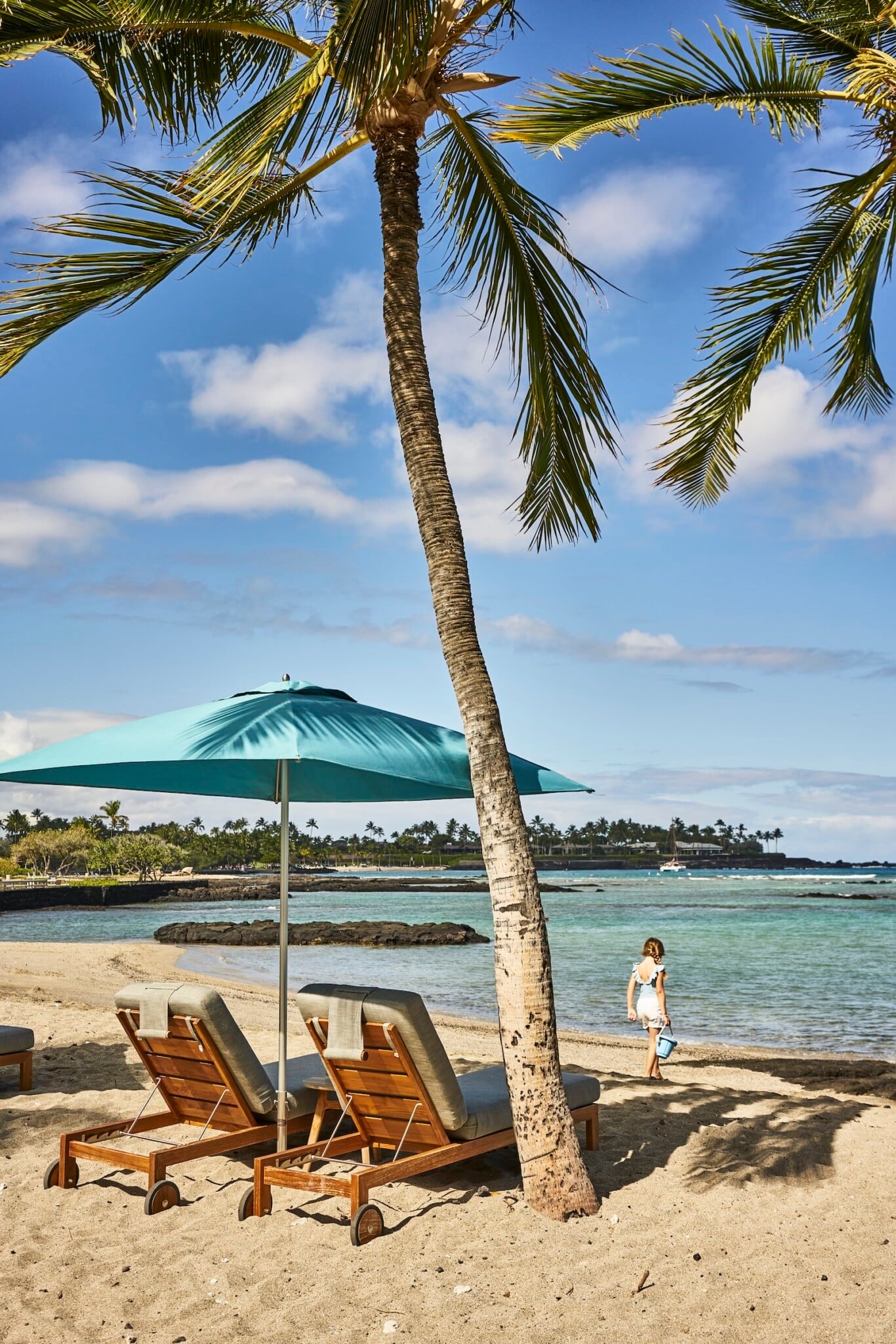
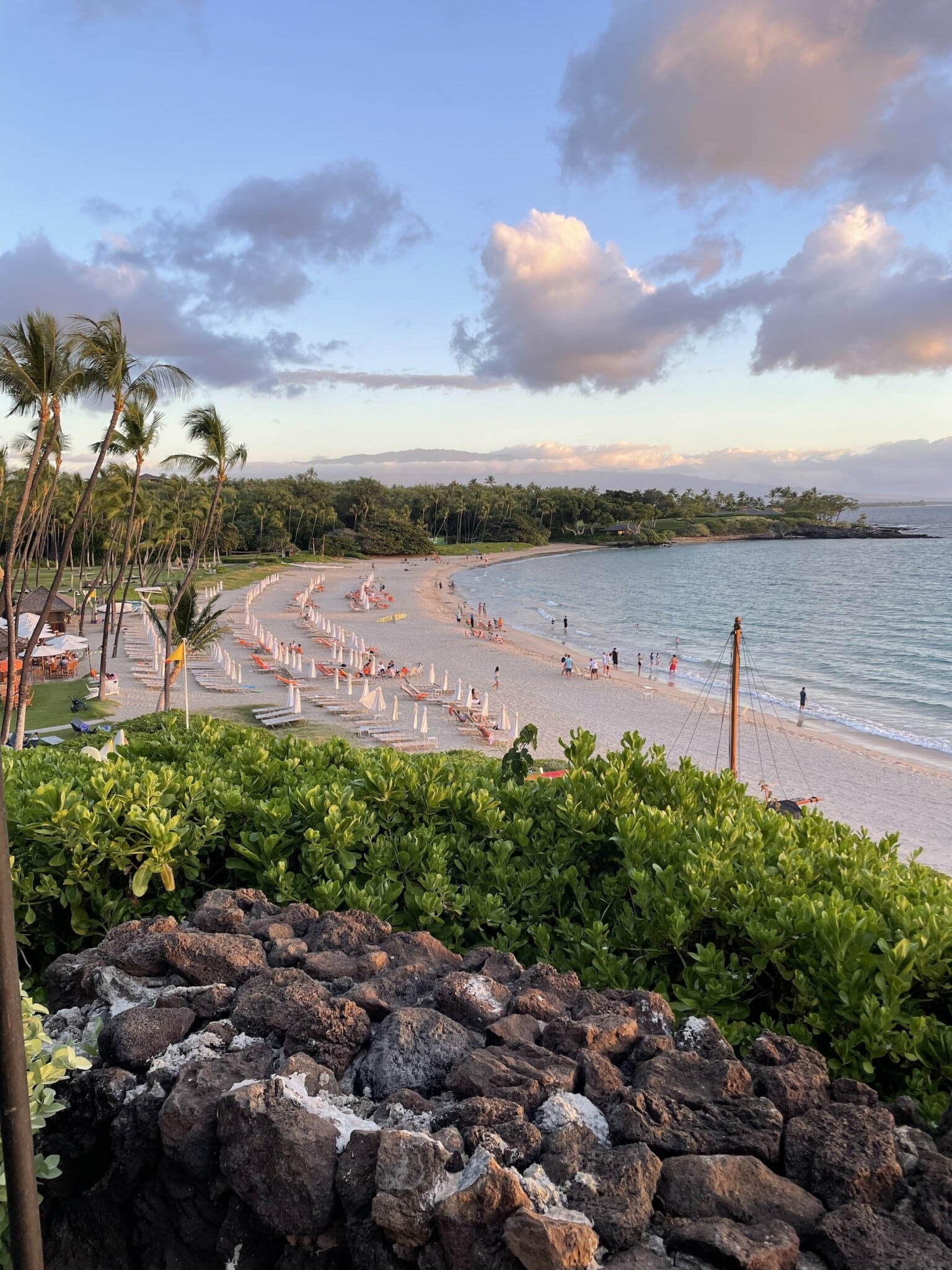
🔑 Quick Answer: The best things to do in the Big Island, Hawaii, depend on where you stay, because the island is too large to explore all at once. Travelers should focus on one or two regions, such as the Kona Coast for beaches and snorkeling, or Hilo and Hawaii Volcanoes National Park for waterfalls and volcanic landscapes.

Key Takeaways
- The Big Island is too large to explore all at once. Plan your trip by region.
- The best trips balance ocean, volcano, and cultural experiences.
- Where you stay shapes your experience more than how many activities you book.
Look, planning the best things to do on the Big Island, Hawaii, isn’t about completing a TikTok bucket list. It’s about actually understanding how this massive island is. We constantly see travelers underestimate just how big the Big Island is.
We design Big Island itineraries year-round, and the most common mistake we see is travelers trying to do too much too quickly. They try to see everything in just a few days, which usually means spending more time in the car than enjoying the destination.
The Big Island is the largest of the Hawaiian Islands and one of the most geographically diverse places in the United States, with landscapes ranging from black lava fields and white sand beaches to lush rainforests and high-altitude summits. The best trips are built around choosing the right regions and pacing your time thoughtfully.
Pro Travel Tip: If you’re still deciding which island is right for your trip overall, start with our guide to the best island to visit in Hawaii. Otherwise, dive into this article to figure out the things to do on the Big Island that match your travel style.

Why Trust Us
Planning a trip to the Big Island is very different from planning travel to other Hawaiian Islands, which is why working with travel experts who truly know the island can make all the difference.
At Salt & Wind Travel, we have over ten years of experience planning custom trips to Hawaii. We design dozens of custom Big Island itineraries each year for couples, families, honeymooners, and multi-generational travelers. Our trips are tailored to each traveler, but every itinerary takes advantage of our on-the-ground research, long-standing local relationships, and firsthand experience to create trips that feel seamless, well-paced, and connected to the destination.
Personally, I’ve spent nearly twenty years traveling to Hawaii and more than a decade planning trips professionally. Through family ties and time spent across the islands, I’ve developed a deep understanding of how to navigate the Big Island’s unique geography, culture, and logistics.
Pro Travel Tip: Before your trip, we also recommend reviewing essential Hawaii travel tips and what to pack for Hawaii so you’re fully prepared.
What Makes The Big Island Different
The Big Island of Hawaii is the largest island in the Hawaiian Islands, with more landmass than all the other islands combined. It is also home to 11 of the world’s 13 climate zones, meaning you can experience arid lava fields, tropical rainforests, and high-altitude ranch land all in a single trip.
Because of the island’s sheer size, the best way to explore it is to focus on one or two areas rather than trying to see everything at once. A rental car is absolutely essential, unless you plan to spend all your time at a resort.
To put it in perspective: driving from Kona to Hilo takes about 2.5 hours each way. That’s five hours of your day in the car. Most travelers initially plan to stay just a few nights and “see it all,” but in reality, three days is only enough to explore one or two of the island’s areas.

Things To Do In Big Island Hawaii (By Area)
The most effective way to plan your trip is to break the island into areas, each offering a different experience shaped by geography, climate, and culture. For planning purposes, we think of the island in four key zones: Kona Coast, Kohala Coast, Hilo and Volcano, and Waimea and Honokaʻa. This article is in order from the most to the least popular areas where travelers stay.
Kona Coast: Ocean, Culture, and Classic Experiences
The Kona Coast is sunny and home to some of the island’s most iconic experiences. The majority of first-time visitors stay here because it’s near the airport, there are numerous lodging options, the weather is reliably dry and warm, the beaches are beautiful, and the snorkeling is some of the best in Hawaii.
Pro Travel Tip: For a deeper dive, see our guide to Big Island beaches.
Top Things To Do on the Kona Coast
Snorkel at Kealakekua Bay. This is one of the best snorkeling spots in all of Hawaii, with clear water and a healthy coral reef inside a protected marine sanctuary. You can reach the bay by kayak, boat tour, or by hiking the Ka’awaloa aka Captain Cook Monument trail (steep and hot, but worth it). The bay is also historically significant as the site where Captain James Cook first landed in Hawaii.
Pro Travel Tip: We help clients choose between shore snorkeling, catamaran trips, small boats, and private charters based on their water confidence, kids’ ages, and budget.
Night snorkel with manta rays. This is one of those experiences you have to do to believe. You float on the surface of the water at night while manta rays, some with wingspans over 10 feet, glide just below you. Book well in advance, especially in peak season.
Beach time at Anaeho’omalu Bay or Magic Sands. A-Bay (as locals call it) is a crescent of golden sand with calm water, perfect for families. Magic Sands, also known as La’aloa Beach Park, is a local favorite for its bigger waves and fun, energetic vibe. Both are easy to access from Kailua-Kona.
Visit Kona coffee farms. The Kona Coast is one of only a few places in the United States where coffee is commercially grown. Several farms offer tours to learn about the growing process, taste fresh-roasted Kona coffee, and buy beans directly. We can help you choose the best farm experience for you, whether it’s a coffee, chocolate, or vanilla farm, or another agritourism experience.
Take an outrigger canoe ride. Paddling a traditional Hawaiian outrigger canoe is one of the most meaningful ways to experience the Kona coastline (and you might see some sea turtles or spinner dolphins along the way). It’s a fun, low-intensity activity that works well for families and for travelers who want a cultural layer to their time on the water.
Take a family-friendly surf lesson. Kahalu’u Beach Park, just south of Kailua-Kona, has small, consistent, beginner-friendly waves that make it one of the best spots in Hawaii to learn to surf. The local instructors we work with offer group and private lessons for all ages.
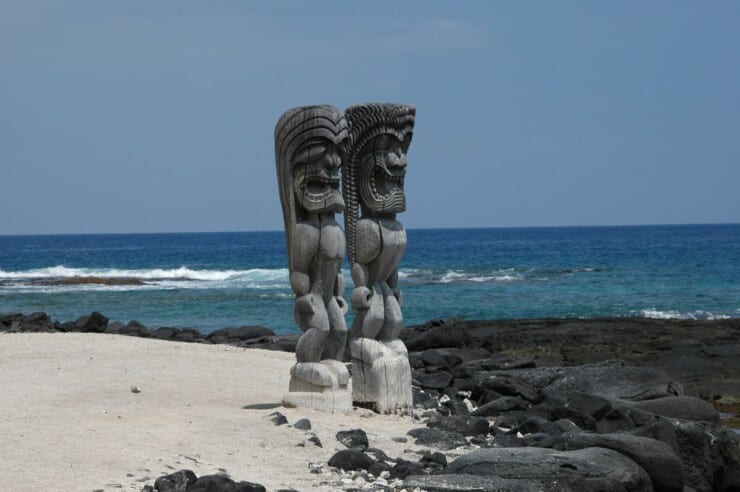
Explore Pu’uhonua o Honaunau National Historical Park. Known as the Place of Refuge, this sacred site is one of the most culturally significant places on the island. The reconstructed temple grounds, carved wooden figures (ki’i), and shoreline setting give you a tangible connection to pre-contact Hawaiian history. It’s also a great snorkeling spot, with sea turtles often resting on the rocks nearby.
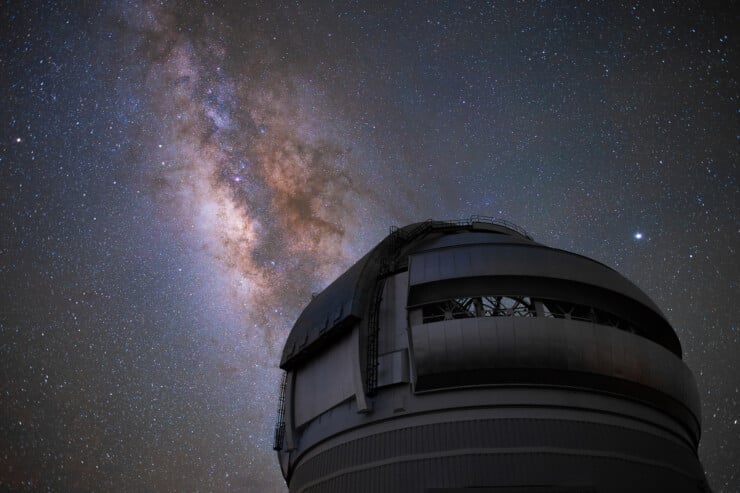
Day trip to the summit of Mauna Kea. From the Kona Coast, you can head to the Mauna Kea summit (at nearly 14,000 feet) for some of the best stargazing on the planet. Most of our clients go with professional guides, who handle the logistics and include warm gear, dinner, and expert commentary.
Where To Stay: This part of the island has some independent inns, many house rentals, and some value hotels, like the Outrigger Kona Resort & Spa.

Kohala Coast: Luxury, Space, and the Best Beaches
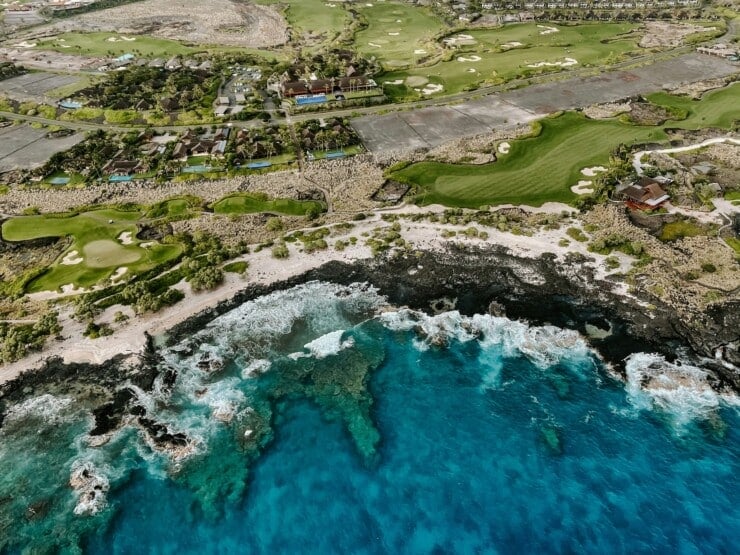
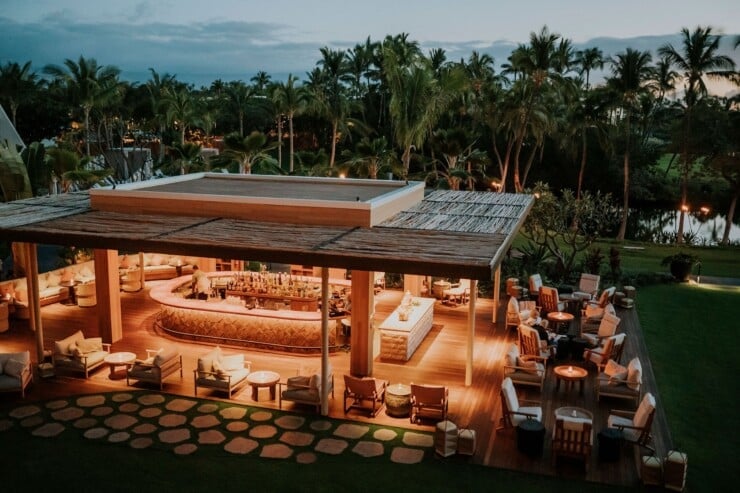
The Kohala Coast, on the island’s northwest shore, is the Big Island’s premier resort area, known for polished hotels, dramatic lava landscapes, and some of the best beaches in Hawaii. Resorts are spread out enough to feel private, and it’s where most of our travel clients base themselves.
Top Things To Do on the Kohala Coast
Walk the Ala Kahakai Trail. This ancient coastal trail connects historic sites, petroglyphs, anchialine ponds, and lava rock shoreline. Sections near Mauna Lani and the Puako petroglyphs are easily accessible and offer a meaningful connection to the area’s history without requiring a major hike.
Visit Hapuna Beach. Consistently rated one of the best beaches in the United States, Hapuna Beach has a wide stretch of white sand, clear water, and good conditions for both swimming and boogie boarding. It’s a state park, so parking is straightforward and there are basic facilities.
Explore the Puako Petroglyphs. One of the largest collections of ancient Hawaiian petroglyphs is preserved in a lava field near Mauna Lani. A short trail leads past the petroglyphs, carved into the rock centuries ago. It’s free, rarely crowded, and one of the most quietly powerful cultural sites on the island.
Go deep-sea sport fishing. The waters here are world-renowned for big game fishing, with Pacific blue marlin, yellowfin tuna (ahi), mahi-mahi, and ono caught year-round. The Kona coast holds more blue marlin world records than anywhere else on the planet.
Pro Travel Tip: If fishing isn’t your vibe, there are also sunset cruises and snorkel charter options. We can help you figure out what’s best for you if you need some advice.
Play some of Hawaii’s best golf courses. The Kohala Coast has the highest concentration of championship golf courses in the state, including Mauna Kea Golf Course, the Mauna Lani courses, and Hapuna Golf Course. The combination of black lava, ocean views, and consistently dry, sunny weather makes this a destination-caliber golf region.
Attend a lu’au. Yes, luaus are available across the Hawaiian Islands, but the ones we recommend most often to Big Island clients are on the Kohala Coast. The best luaus feature polished productions, strong cultural programming, traditional imu-cooked kalua pig, and Polynesian performances against a sunset backdrop.
Where To Stay: This part of the island is home to some of Hawaii’s best luxury hotels, like the Rosewood Kona Village, the Mauna Lani, and Mauna Kea. Not every luxury resort is right for every traveler. The best hotel depends on what kind of trip you want.
Get in touch with our team, and we can book these properties with perks like room upgrades, spa credits, free breakfast, and more.

Hilo and Volcano Side: Lush Landscapes and Living Earth
The Hilo side offers a completely different experience: greener, rainier, and more connected to the island’s volcanic and agricultural roots. This is where the Big Island feels wild, local, and deeply alive. This is the rainy side of the island, which is exactly what makes it so green and alive. The landscape feels more tropical, wilder, and off the beaten path.
We frequently encourage clients to add at least one or two nights on this side of the island because it reveals a version of Hawaii many resort-only travelers never experience. Travelers who value local food, farmers’ markets, and a less polished but more authentic feel often end up loving Hilo more than they expected.
For a full breakdown, read our detailed guide to Hawaii Volcanoes National Park.
Top Things To Do on the Hilo Side
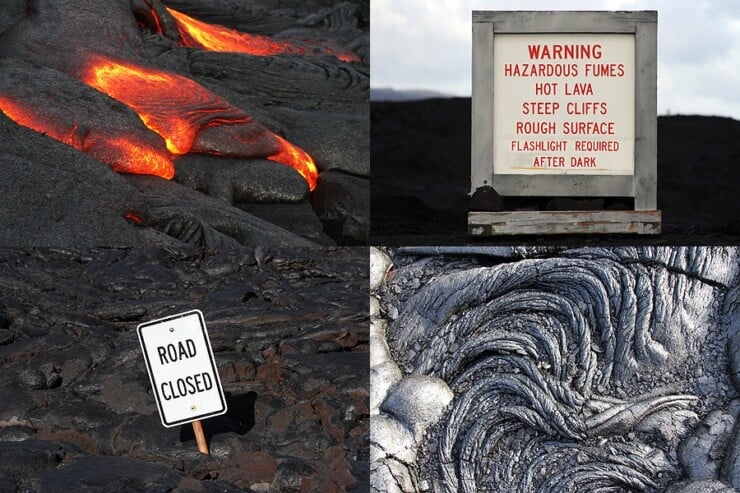
Explore Hawaii Volcanoes National Park. This is the island’s signature experience and one of the most extraordinary national parks in the country. The park encompasses Kilauea, one of the world’s most active volcanoes, along with Crater Rim Drive, the Thurston Lava Tube, steam vents, and miles of hiking trails through volcanic landscapes. Some clients love a self-guided park day, while others benefit from a naturalist guide or helicopter perspective. We help decide which version fits their travel style. A rushed same-day roundtrip from Kona to Volcano is possible—but rarely ideal.
Pro Travel Tip: One of our clients’ favorite ways to experience Hawaii Volcanoes National Park is via a helicopter tour. If you want advice on how to do this and our preferred partner, get in touch.
See lava flow (when active). When Kilauea or Mauna Loa are actively erupting, the park service opens viewing areas where you can see glowing lava. Conditions change constantly, so check the USGS Hawaiian Volcano Observatory before your visit. Even when lava isn’t flowing on the surface, the landscape, sulfur vents, and volcanic craters are powerful.
Visit Akaka Falls State Park. A short, paved loop trail leads through tropical rainforest to a viewpoint of Akaka Falls, which drops 442 feet into a gorge surrounded by lush vegetation. The trail also passes the smaller Kahuna Falls. It’s one of the easiest and most rewarding short hikes on the island, suitable for all fitness levels.
Stop at Rainbow Falls. Located right in Hilo, Waianuenue (Rainbow Falls) is a wide, beautiful waterfall that’s visible from an overlook just steps from the parking lot. Visit in the morning when the sunlight hits the mist to see the rainbow that gives it its name.
Explore downtown Hilo. Hilo doesn’t have the resort polish of the Kohala Coast, and that’s part of its charm. Downtown has a throwback feel, with independent shops, local restaurants, and the Hilo Farmers Market, one of the best open-air markets in Hawaii.
If you’re looking for more active experiences, see our Big Island hiking guide.
Where To Stay: There are a few good value hotels in Hilo, but the majority of our clients stay near Volcanoes National Park, as that is usually the major draw to this part of the island.


Waimea and Honoka’a: Ranch Culture and Unexpected Hawaii
This region offers a completely different side of Hawaii, shaped by Hawaii’s ranching heritage. At about 2,700 feet elevation, Waimea is noticeably cooler than the coast, with green rolling hills and a small-town atmosphere. This is one of the first places we mention to repeat Hawaii travelers who think they’ve “seen it all.” It usually becomes one of their favorite surprises.
Top Things To Do in Waimea and Honoka’a
Experience paniolo culture at Parker Ranch. Parker Ranch is one of the oldest and largest cattle ranches in the United States, and a visit there gives you a window into Hawaii’s cowboy (paniolo) heritage that most travelers never see. Many clients are stunned to learn Hawaii has a deep cowboy tradition that predates much of the ranching culture on the mainland
Go horseback riding. Several operations in the Waimea area offer guided rides through ranch land with mountain and valley views. This is a wonderful way to slow down and experience the landscape at a different pace, especially for families.
Visit farms across the Hamakua Coast. The drive from Waimea to Honoka’a passes through some of the most fertile agricultural land in Hawaii. Look for small farms growing vanilla, mushrooms, taro, and tropical fruits. Many offer tours by appointment.
Explore Honoka’a. This quiet former sugar plantation town has a handful of interesting shops, a local bakery, and a genuine small-town feel. It’s the gateway to the Waipio Valley lookout, one of the most dramatic viewpoints on the island, where a lush valley meets the ocean below sheer cliffs.
Eat in Waimea. The food scene here punches well above its weight. Village Burger is a favorite for locally sourced burgers, and the Waimea Town Market is excellent for fresh produce and prepared foods. The mix of ranch culture and Hawaiian agriculture creates experiences you won’t find anywhere else on the island.
Grab a craft beer at Big Island Brewhaus. In Waimea, Big Island Brewhaus is an award-winning craft brewery founded by a brewmaster who previously worked at Maui Brewing Company, and it’s known for experimental small-batch beers that range from hoppy IPAs to Belgian-style farmhouse ales. It’s an easy, low-key stop after a day on the ranches or the Kohala Coast, with a casual menu of tacos and pupus to go with the flights.
Stop for malasadas at Tex Drive In. Just up the road in Honoka’a, Tex Drive In is a beloved roadside institution famous for its hot, sugar-dusted malasadas (Portuguese-style doughnuts) made to order. It’s also one of the best places on the island to try a classic Big Island plate lunch, from loco moco to Korean fried chicken, as you pass through on the Hamakua Coast.
Where To Stay: It’s very uncommon for our travel clients to stay here, as it’s not near the beach, has colder weather, and offers mostly home rentals.
Once you’ve picked your activities, see where to stay on the Big Island in our full guide.
Big Island-Only Experiences
| Experience | Why It's Unique | Best For |
|---|---|---|
| Manta ray night snorkel | One of the only places in the world to reliably see mantas at night | Couples, adventure seekers |
| Lava viewing at Kilauea | Active volcano access inside a national park | All travelers |
| Summit of Mauna Kea | High-altitude stargazing at nearly 14,000 feet | Couples, photographers |
| Helicopter over Waipi'o Valley | Aerial access to remote valleys and waterfalls | Luxury travelers, photographers |
| Paniolo horseback riding | Ranch culture unique to Hawaii's cowboy heritage | Families, culture seekers |
| Farm tours (coffee, chocolate, vanilla) | Diverse tropical agriculture you can taste | Food lovers, families |

Where To Stay on the Big Island
Where you stay is one of the highest-impact decisions on the Big Island because it affects drive times, dining options, weather, and the overall rhythm of your trip. This is one of the areas where expert guidance can make the biggest difference.
Kona Coast (Central)
- Holualoa Inn – best for couples who want a quieter, upcountry setting above Kona town with coffee farm views
Kohala Coast (Luxury)
- Mauna Lani – best for couples and families wanting a resort with cultural depth and a recently refreshed feel
Hilo and Volcano (Adventurous)
- Volcano House – best for travelers who want to stay inside Hawaii Volcanoes National Park, right on the rim of Kilauea caldera
Planning a trip to the Big Island? We design dozens of Hawaii itineraries each year, and the Big Island is one of the places where working with a planner makes the biggest difference. The geography, drive times, and regional differences mean that how you structure your days matters as much as what you do. Start planning your Hawaii trip.
Big Island Trip Planning by Length
Here’s how we generally think about trip length when advising clients. For trips shorter than 5 days, we generally recommend staying on one side of the island rather than splitting time. You’ll spend less time in the car and more time actually experiencing the destination.
| Trip Length | Recommended Regions | Sample Itinerary |
|---|---|---|
| 3-4 days | Kona Coast + one day trip | Beach days, snorkeling, manta ray night snorkel, coffee farm, Place of Refuge |
| 5-6 days | Kona + Volcano/Hilo | Add Hawaii Volcanoes NP, Akaka Falls, Hilo town, and the Hamakua Coast |
| 7+ days | Kona + Kohala + Volcano + Waimea | Full island experience with resort time, ranch culture, volcano, and multiple beaches |
Best Time To Visit
The Big Island works year-round, but each season has distinct advantages:
- Spring (March-May): Fewer crowds, pleasant temperatures, and good whale watching through March. This is one of the best overall windows. However, this is when Merrie Monarch hula festival happens in Hilo, so it gets very busy.
- Summer (June-August): Peak family travel season. Warm, sunny, and busy, especially on the Kohala and Kona coasts. Book accommodations and activities well in advance.
- Fall (September-November): Excellent conditions with fewer visitors. Water temperatures are warm, and rates are generally lower. Our personal favorite window.
- Winter (December-February): Whale watching season peaks in January and February. Holiday weeks are busy and expensive, but January and early February can be surprisingly calm. The Hilo side sees more rain.
Common Mistakes To Avoid
Many travelers underestimate how large and diverse the island is, which can lead to overpacked itineraries. These are the same planning mistakes we regularly help clients avoid before they arrive.
- Trying to see the entire island in 3-4 days. The Big Island is roughly the size of Connecticut. Pick one or two regions and go deep rather than trying to drive the full loop.
- Underestimating drive times. Kona to Hilo is 2.5 hours. Kona to Waimea is about an hour. Kohala to Volcano is nearly 3 hours. Build drive time into your planning, or you’ll spend the whole trip in a car.
- Skipping the Hilo side. The Kona Coast is beautiful, but the Hilo and Volcano side is where the Big Island really shows you something you can’t see anywhere else.
- Not booking key experiences in advance. Manta ray night snorkels, helicopter tours, and popular snorkel boat trips fill up, especially in peak season. Book 2-4 weeks ahead.
- Only staying at a resort. The Kohala Coast resorts are wonderful, but if that’s all you see, you’ll miss the farms, the towns, the ranch land, and the volcanic landscapes that make the Big Island genuinely different from every other Hawaiian island.
Frequently Asked Questions About Things To Do In Big Island Hawaii
The best things to do depend on your interests and the region you're visiting. On the Kona Coast, snorkeling at Kealakekua Bay and the manta ray night snorkel are the standout experiences. On the Hilo side, Hawaii Volcanoes National Park is a must. The Kohala Coast has the best beaches, and the Waimea area offers ranch culture and farm tours. Most travelers who have the best trips combine at least two of these regions.
leo.
At least 5 to 7 days to experience the island well. With 3-4 days, you can explore one region in depth, like the Kona Coast, with a day trip to the volcano. Five to six days lets you combine Kona with the Hilo/Volcano side. Seven or more days opens up the full island, including the Kohala Coast and Waimea. We rarely recommend fewer than 5 nights because of the distances involved.
Yes, a rental car is essential. There is no meaningful public transportation on the Big Island, and rideshare services are limited outside of Kona. The distances between regions are too large to rely on taxis or shuttles. Book your rental car early, especially for peak season, as availability can be tight. Helping clients choose the right base—or deciding when two bases are worth it—is one of the biggest ways we improve a trip.
They offer very different experiences, and the best answer depends on what you want. Kona is sunny, dry, and resort-friendly with great beaches and ocean activities. Hilo is lush, rainy, and more local with waterfalls, rainforests, and the farmers' market. Most travelers who have the time should visit both. If you can only pick one, Kona is the easier base for a first visit, but the Hilo and Volcano side is where the Big Island feels most unique.
Yes, but it depends on volcanic activity at the time of your visit. Kilauea is one of the most active volcanoes in the world, and when it's erupting, the National Park Service opens viewing areas. Even when lava isn't flowing on the surface, Hawaii Volcanoes National Park is worth visiting for the craters, steam vents, lava tubes, and volcanic landscapes. Check the USGS Hawaiian Volcano Observatory for current conditions before your trip.
Layers are important because of the island's climate diversity. You'll want reef-safe sunscreen and swimwear for the coast, a light rain jacket for the Hilo side, and a warm layer if you plan to visit Mauna Kea or spend time in Waimea. Comfortable walking shoes, water shoes for rocky beaches, and a reusable water bottle are essentials. See our full Hawaii packing guide for the complete list.
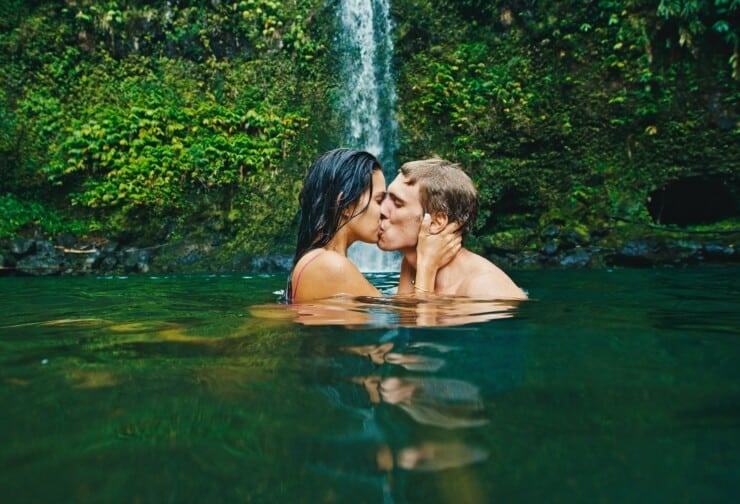
Best Hawaii Honeymoon Itinerary
Also, if you’re heading to Hawaii for a honeymoon we should say the Big Island tops many of our clients list. The combination of luxury resorts, adventure, beautiful beaches, and so many activities make it pretty idea. For more of our expert advice, check out our Hawaii honeymoon itinerary guide with tips on where to go, when to go, and which island is best for which type of couple.
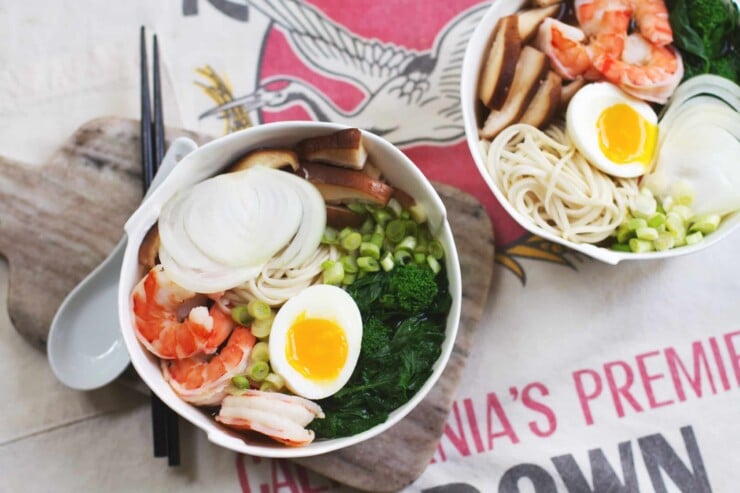
Recipes Inspired By Hawai’i
Not heading to Hawaii quite yet? Here are a few of our favorite local Hawaiian recipes to make at home to stoke your wanderlust:
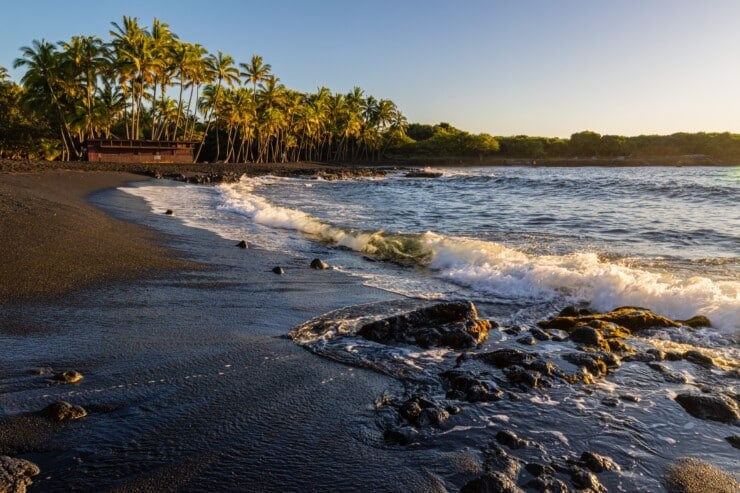
Hawai’i Travel Guide
Looking to travel to the Aloha State soon? Check out our Hawai’i travel guide with tips for where to eat, where to stay, and what to do across the islands.
Have Us Plan Your Hawai’i Trip
Did you know we’re also a boutique travel agency specializing in Hawaii vacation planning? If you’re planning a trip to the Big Island, our Hawaii trip planner services can help you create your perfect itinerary.
Photo Credit: Opening photo, golf course, hotel, restaurant, and beach photo courtesy of Mauna Lani resort, horses by Jimena Roquero; observatory by Brian Fulda; all other photos by Team Salt & Wind Travel.