
If you hear the phrase Piedmont Italy food, what comes to mind? Do you picture hearty dishes, fine wine, and mist-covered vineyards? You should.
Key Takeaways
- Piedmont Italy food blends Alpine comfort with refined flavors shaped by the Slow Food Movement./li>
- Dishes like tajarin, vitello tonnato, and salsiccia di Bra reflect deep agricultural and cultural roots.
- Visit in autumn for truffles and harvest festivals—the ultimate season for Piedmontese cuisine.
Nestled at the foot of the Alps, Piedmont (Piemonte in Italian) is one of Italy’s most exciting culinary regions. It’s a food lover’s paradise with world-class wine, Slow Food history, and traditional dishes that are rich, comforting, and delicious.
Over a decade, we have provided Italy vacation planning services for food lovers heading to Italy. In that time, the Piedmont region has gone from an under-the-radar destination to a top pick for travelers who care about food, wine, and culture.
From Barolo’s hills to Turin’s chocolate shops, Piedmont cuisine tells a story of place, tradition, and passion. The Piemonte wine region is one of my favorites in Italy and the food goes hand in hand with the wine. In this guide, we’ll cover what is Piedmont Italy food, 14 must-try classic dishes, and FAQs on food and wine.

What is Piedmont Italy Food?
At the crossroads of France, Switzerland, Piemonte Italy is unique and its geography shapes its cuisine. Alpine pastures, fertile plains, and rice paddies along the Po River create astonishing diversity—from cheeses and meats to truffles, polenta, and risotto.
Piedmont is also the birthplace of the Slow Food Movement, founded in nearby Bra to preserve traditional farming and local ingredients. That spirit of intentional eating remains everywhere—from casual trattorie to Michelin-starred restaurants.
You may already know Piedmont for its world-class wines (Barolo, Barbaresco, Barbera, Arneis) and aperitifs (Campari, Vermouth), but Piedmont Italy food is equally remarkable. Expect rich sauces, elegant handmade pastas, and sweets that celebrate the region’s prized hazelnuts and chocolate heritage.
14 Kinds Of Local Piedmont Food To Try
If you’re planning your trip, we suggest starting with your stomach. Here are 14 Piedmont, Italy, foods you won’t want to miss.
Agnolotti del Plin
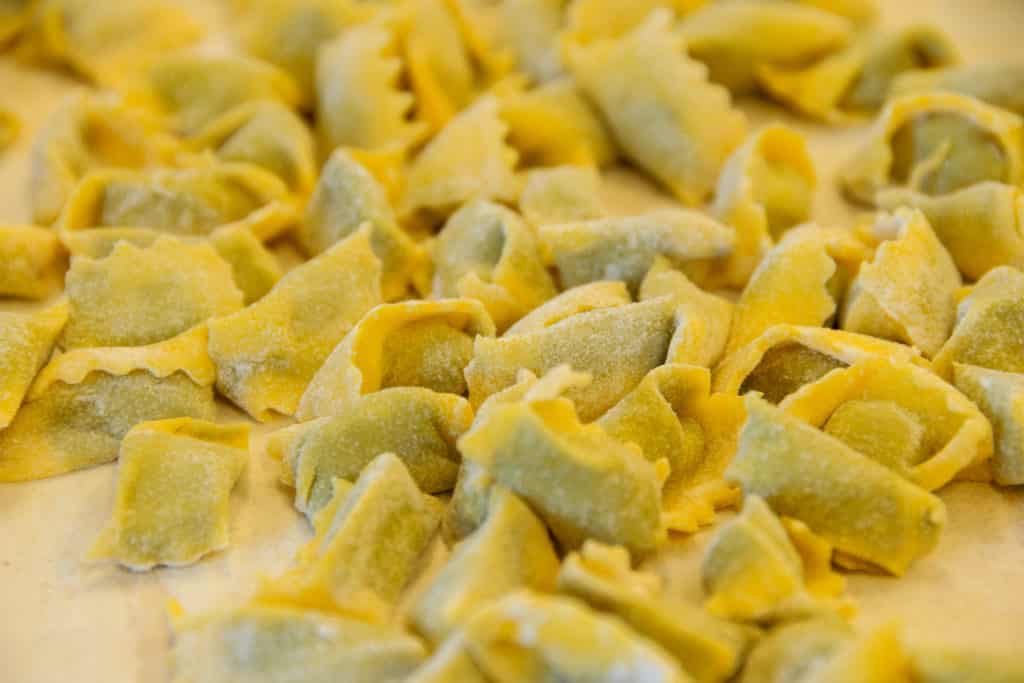
One of the most beloved dishes in Piedmont is agnolotti del plin. It’s believed it was invented after a Piemontese castle successfully defended itself against an invasion. The chef needed to make a celebratory feast but didn’t have many ingredients, so they pulled together some things already on hand and used them to fill pasta.
The name for this dish comes from the regional dialect of “to pinch,” which is precisely how this tasty, filled pasta is made. The pasta gets folded over and pinched around a mouthwatering filling of roasted, super tender meat and vegetables.
This differs from ravioli, where two sheets of pasta (laying one on the other), agnolotti del plin, instead is made from individual pasta squares pinched in on themselves.
Where to try it: Fratelli Bruzzone Via Maria Vittoria 34/A Torino, Italia
Baci di Dama
Translating to “lady’s kisses,” baci di dama are now popular throughout Italy, but initially they were a Piedmont Italy food hailing from the town of Tortona. The cookies, which date back to the 19th century, feature a chocolate cream sandwiched between two hazelnut-flavored cookies.
Today, you may find varieties of this cookie, some made with almonds rather than hazelnuts, or some with cocoa added to make it extra chocolatey. If you’re in Piedmont, though, we suggest seeking the traditional ones, especially those made with local hazelnuts.
Where to try it: Pasticceria Zanotti (they claim to be the birthplace of this famous cookie!), Via Marsala 12, 15057, Tortona (AL)
Bagna Càuda
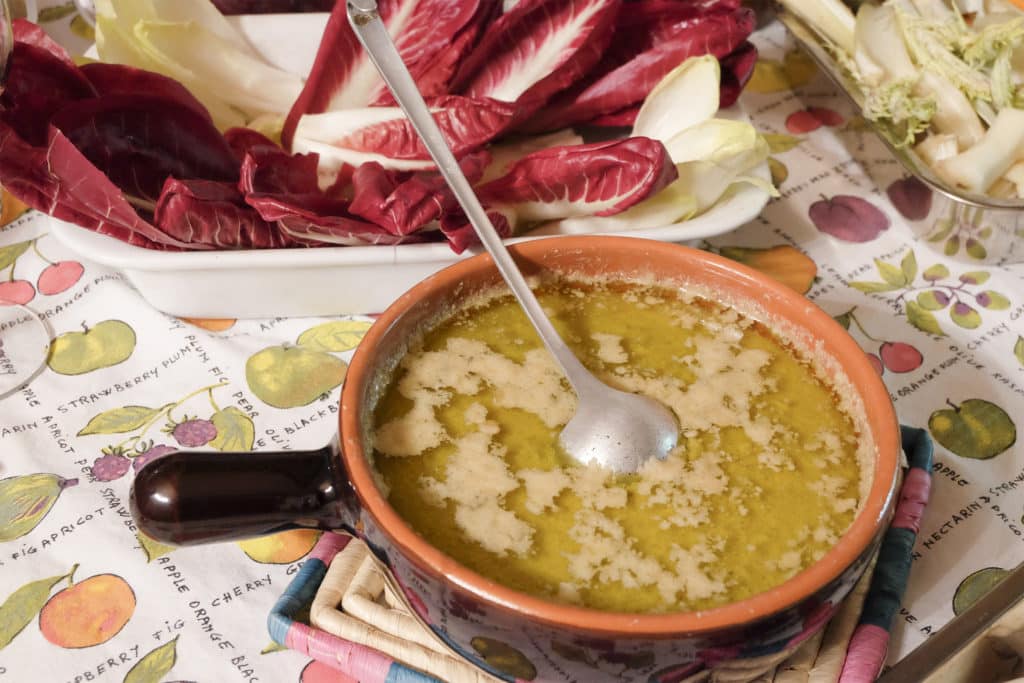
Fondue-like bagna cauda has existed since the 16th century. This slow-cooked dip, which combines olive oil, garlic, and anchovies for a hearty flavor, was used to jazz up the (sometimes limited) winter vegetables historically available in the region.
Today, you might encounter bagna càuda served with cardoon, an edible thistle related to artichoke that resembles a celery stalk. Other vegetables like roasted onions or crunchy raw fennel pair well with this dip.
Where to try it: I Cinque Quinti, Via Dante Barbano, 46, 15034 Cella Monte AL, Italy
Bonet
Bonet is one of the most classic Italian desserts, and we insist you try it! It’s an egg-based chocolatey pudding made with rum or coffee, topped with amaretti cookies (a type of almond cookie). Combining the creamy custard with the slightly bitter amaretti crunch is truly divine!
Where to try it: Tre Galline, Via Gian Francesco Bellezia, 37, 10122 Torino TO, Italy
Brasato al Barolo
If you love Barolo wine from the Langhe area, don’t miss this dish of beef marinated in vino! Not only does this taste incredible with a glass of red wine, but it’s the perfect comfort food.
Expect a decadent, rich flavor from meat with plenty of time to soak in the spices and ingredients. The word brasato comes from the Italian word brace, or embers—hot, glowing coals that kept the meat simmering for an extended time.
Bonus: Piemonte is famous for its rice, so risotto dishes abound. Try a “primo” risotto before you order your “secondo” of Brasato al barolo.
Where to try it: Guido Ristorante Via Alba, 15, 12050 Fontanafredda (Cuneo Province), Italy
Carne Cruda
Translating to “raw meat,” this Italian take on steak tartare is found in the Piedmont region of Italy. The ingredients list is minimal, but the flavor packs a punch. It’s made with finely chopped beef, salt, pepper, lemon juice, garlic, and oil.
Prized Fassona beef from Piedmontese cattle makes the highest quality carne cruda. You may eat it simply as is, or\ find it topped with other local delicacies, like Piedmontese hazelnuts or white truffles (depending on the season).
Fun fact: carpaccio, a dish invented in the 1950s in Venice, is based on carne cruda!
Where to try it: Il Mannarino, Via della Rocca, 4, 10123 Torino TO, Italy
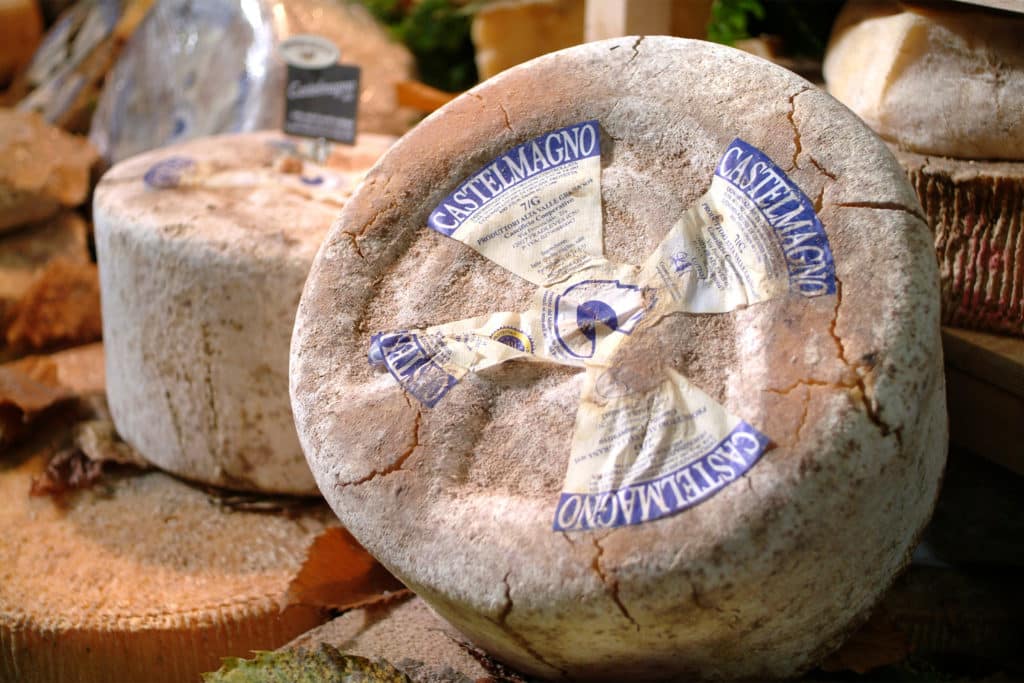
Cheeses Like Castelmagno and Toma
You’ll encounter many types of Italian cheeses in Piedmont (and many of our Italy travel clients love doing a cheese tasting while in the region), but some of our favorites include Castelmagno and Toma.
Castelmagno cheese has a nutty, somewhat tart flavor and comes from cows specific to the Piedmont region. Because it’s dry and a little crumbly, it makes an excellent topping for salads or appetizers.
Toma cheese is a soft cow’s milk cheese that is creamier and more buttery than Castelmagno. While it tastes fantastic on its own, it also melts well into sauces.
Where to try: Both of these cheeses are relatively common and easy to find. Look for them all over the region served as appetizers or in supermarkets to enjoy on your own.
Gianduja Italian Hazelnut Spread
People regard Turin, the capital of Piedmont, as one of Italy’s most prominent spots for chocolate production. And if you’ve ever had Nutella, this region’s version is called gianduja, which is part of its chocolate-making fame.
This hazelnut paste came about when Napoleon imposed laws that strained the cocoa supply. To make cocoa go further, a chocolatier in Turin mixed in hazelnuts. The rest is history; hazelnut chocolate spread has literally spread around the world.
In Piedmont, you’ll find that traditional gianduja should be at least 30% hazelnuts (word to the wise, Nutella is less than half of that). So when you’re in Piedmont, get the real stuff. Aside from the spread, you might find gianduja in truffles, gelato, or the popular candy Gianduiotto.
Where to try it: Prodotti Gianduja Via Palazzo di Città, 24, 10122 Torino TO, Italy
Bonus: My favorite use of gianduja by a landslide is the cremino, a melt-in-the-mouth chocolate with hazelnut cream in the middle.
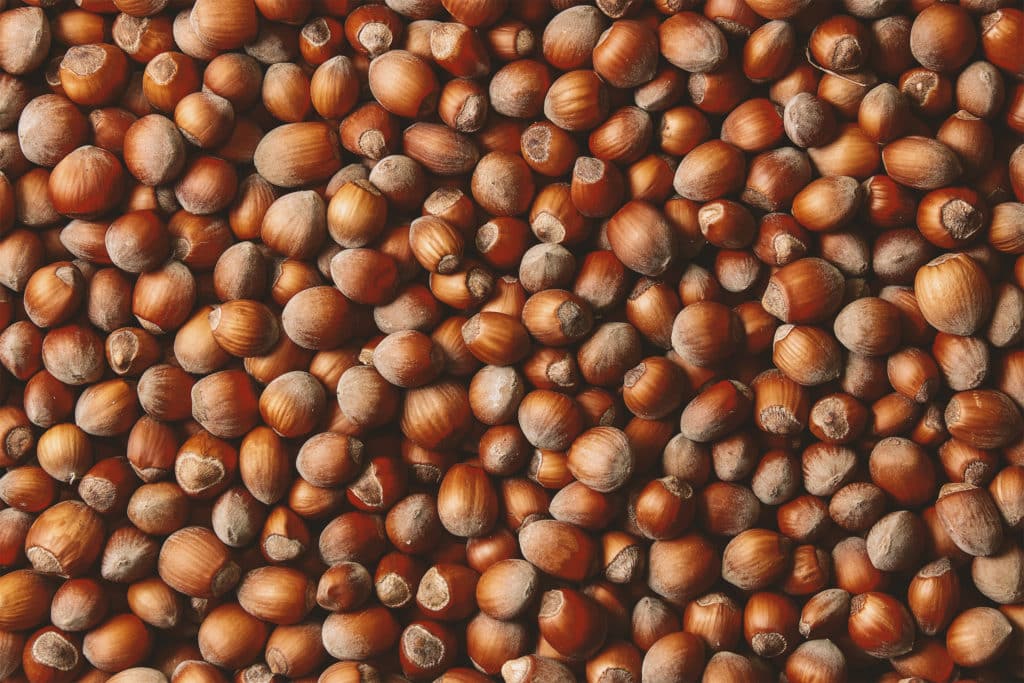
Hazelnuts
While numerous regions in Italy grow hazelnuts, many consider the nocciola del Piemonte among the best. The tiny, round nuts have a satisfying crunch and rich, warm aroma, made even more pronounced when roasted.
These nocciole are used to make Gianduiotto nougat pralines, a regional delicacy, but they also make excellent pastries, cakes, and gelati.
Where to try: Nearly all gelato shops, chocolate shops, and pasticceria (bakeries) will offer something with hazelnut. Look for hazelnuts everywhere, from restaurants to bakeries, pasta shops, supermarkets, and more.
Panissa
Did you know Italy leads rice production in Europe, with much of it growing along the Po River Basin in Piemonte? Risotto rice, a type of high-starch, short-grain rice that can absorb much liquid (and flavor) without turning mushy, is a favorite among Italians.
In fact, risotto rice is the key ingredient in Piedmont’s panissa (tip: don’t confuse this dish with panissa from Liguria, which, instead of rice, is a fried appetizer made from chickpea flour). Panissa from Piedmont‘s main ingredients are risotto and beans, and the texture is similar to stew.
Panissa is also made with wine, which enriches the flavor of the risotto, and sometimes a bit of sausage. To finish, some freshly grated Parmesan is often stirred in. It’s the perfect thing to warm your bones on a cold day.
Where to try it: Risto: La Trattoria del Buon Mangiare V. Antonio Bertola, 57, 10122 Torino TO, Italy
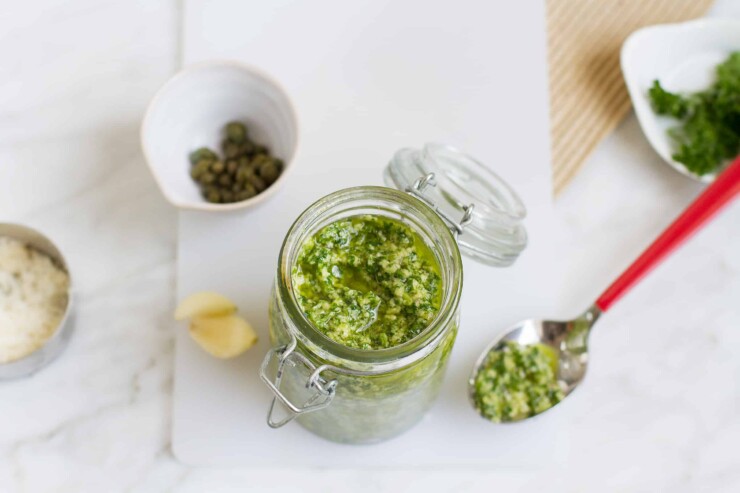
Salsa Verde
If you love Mexican food, you may be wondering if you read that right, but yes, there is a salsa verde in Italian cooking! However, this Italian sauce differs from the spicy green one you know and love in Mexican cuisine.
Made with parsley, garlic, oil, and anchovies, it has a sharp and zingy taste. It can be served on crostini or hard-boiled eggs for antipasti or as a dipping sauce for meats, fish, and vegetables.
Salsa Verde sauce most commonly pairs with bollito misto, a comforting stew made with boiled beef or veal.
Where to Try it: You can easily find this almost everywhere but I really enjoyed the one served with the bollito misto at Osteria Del Borgo.
Salsiccia di Bra
A true local specialty from the town of Bra, this fresh veal sausage is a protected product linked to the Slow Food Movement. Traditionally eaten raw with olive oil and lemon or lightly grilled, salsiccia di Bra embodies the purity of Piedmontese cuisine.
Tajarin
In the Piedmontese dialect, locals pronounce Taglioni or Tagliarini pasta as Tajarin (tie-yah-reen).
Tajarin is a thin pasta that resembles spaghetti at first glance. But while spaghetti is round all around, Tajarin has a flat shape, sort of like a mini fettucini. Tajarin is made from egg yolks and flour, which makes the flavor more savory than traditional spaghetti. Its richness pairs well with light sauces like sage and butter or delicate white truffles.
Bonus: If you’d like to make some of your homemade pasta, check out our tips for making fresh pasta!
Where to try it: Plin e Tajarin Via Goffredo Casalis, 59, 10138 Torino TO, Italy
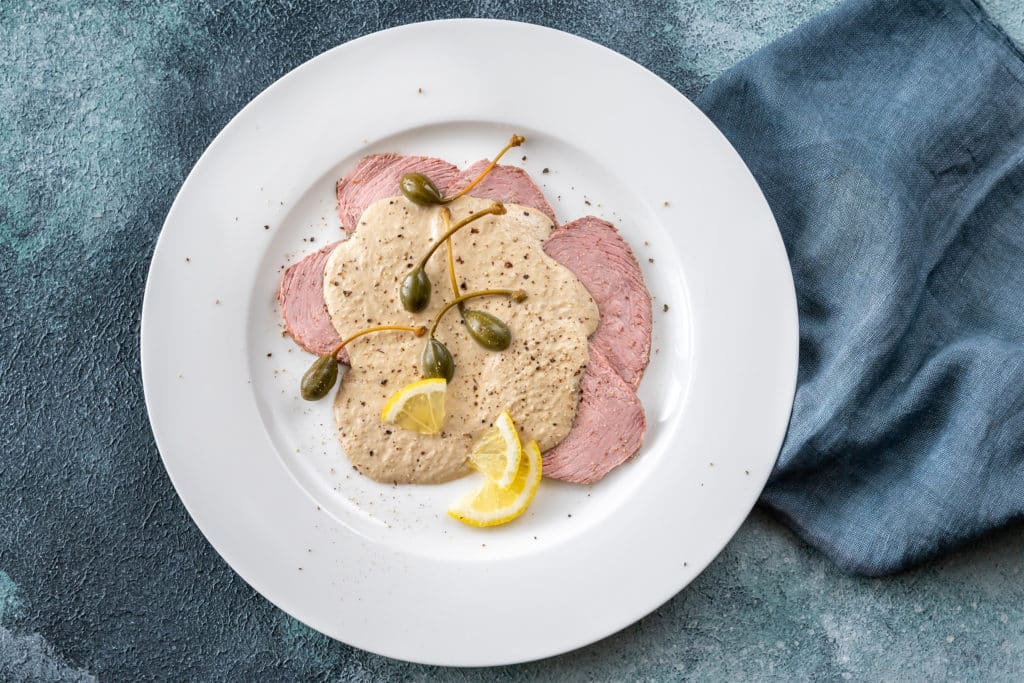
Vitello Tonnato
Vitello Tonnato, veal with a creamy tuna sauce, exploded into the food scene in Piemonte and all over Italy. Not only did this dish have its moment in the culinary sun in the 1980s, but it gained popularity in various other countries around the globe (even as far away as Argentina).
Because the recipe has had such a broad reach, you’ll encounter variations. The traditional Piedmont dish consists of thin slices of veal that resemble roast beef, topped with a sauce that has the consistency of mayonnaise, plus garnishes of capers, parsley, anchovies, and lemon slices.
Where to try it: Osteria Antiche Sere Via Cenischia, 9, 10139 Torino TO, Italy
White Truffles
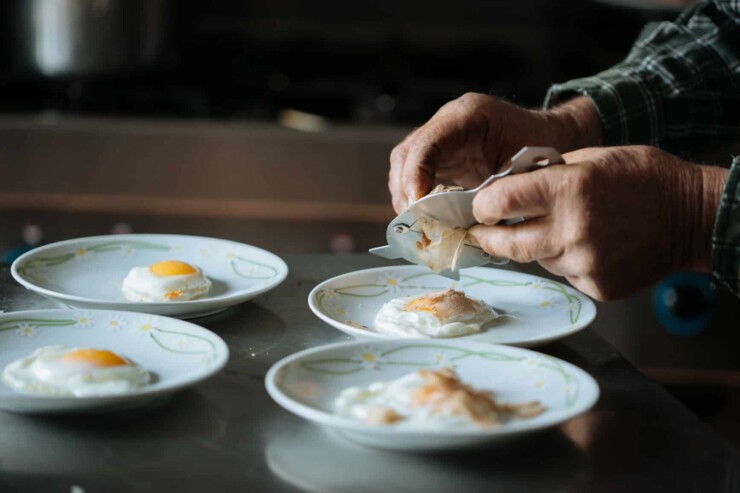
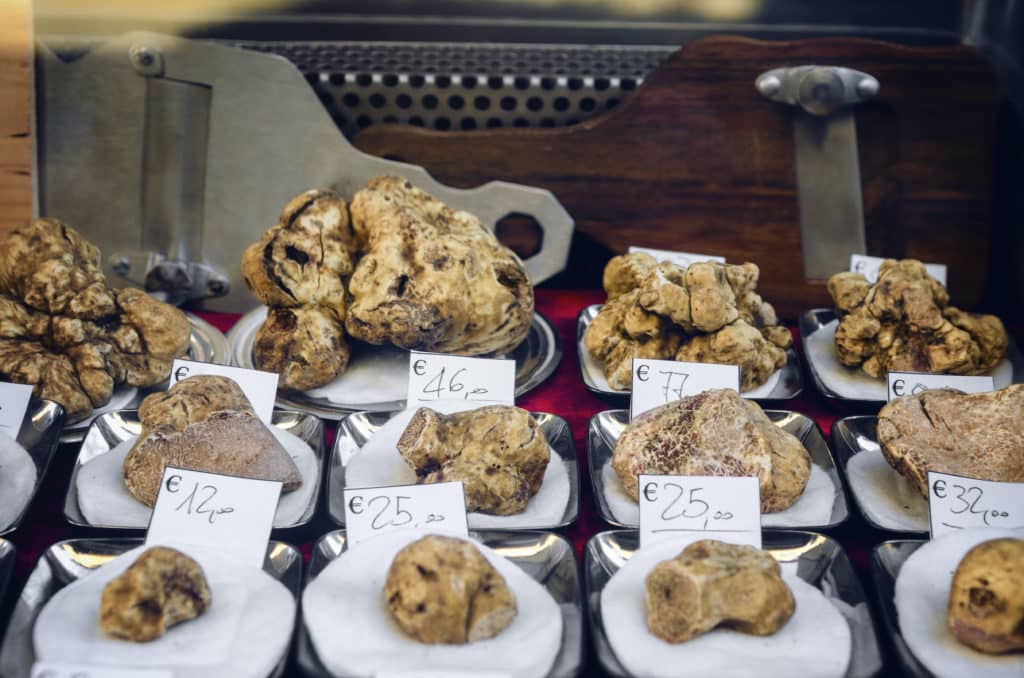
White truffles are rarer than other truffles, which, along with a distinct umami flavor, makes them highly desirable. White truffles have a delicate taste, which is why they’re rarely cooked. Instead, you’ll find them shaved on dishes or infused into oil or butter.
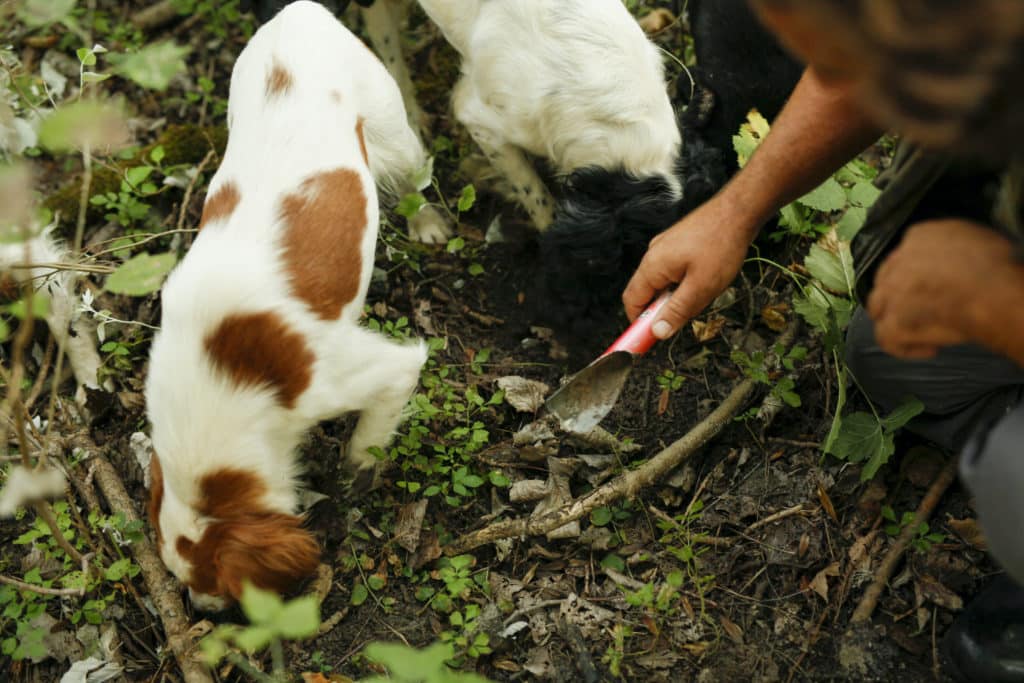
Some of the finest white truffles in the world come from Alba, a town southeast of Torino in Piemonte. Truffle season and the chance to truffle hunt happen roughly from September to December, and therefore, this is also the best time to sample Piedmontese dishes where white truffles are the star of the show.
Where to try it: Osteria Taste Strada Nicolini Alto, 10, 12050 Barbaresco CN, Italy
Frequently Asked Questions About Piedmont Italy Food
Piedmont, known for its rich and diverse cuisine, offers a variety of dishes that highlight the region's culinary expertise:
- Castelmagno Cheese: A semi-hard, blue-veined cheese made from cow’s milk, often used in risottos or with honey.
- Bonet: A traditional dessert similar to flan, made with amaretti cookies, cocoa, caramel, and sometimes rum.
- Baci di Dama (Lady's Kisses): Delicate cookies made from hazelnut flour, filled with a layer of dark chocolate.
- Agnolotti: Small, stuffed pasta similar to ravioli, typically filled with a mixture of roasted meats and served with a roast meat sauce or butter and sage.
- Bagna Cauda: A warm dip made from garlic, anchovies, olive oil, and butter, traditionally served with raw, roasted, or boiled vegetables.
- Panissa: A risotto-like dish made with Arborio rice, Barbera wine, beans, and salami.
- Carne Cruda: Piedmont’s version of steak tartare, typically made from raw veal, seasoned with lemon juice, olive oil, salt, and pepper.
- Vitello Tonnato: Slices of cold, cooked veal covered in a creamy, tuna-based sauce.
- Tajarin: A type of thin, egg-rich pasta served with various sauces, often a simple butter and sage or meat ragù.
Its geographical and historical context deeply influences Piedmont's culinary traditions:
- French Influence: Due to its proximity to France, many Piedmontese dishes reflect French culinary techniques and styles, which is evident in dishes like Vitello Tonnato and Carne Cruda.
- Rich Agricultural Heritage: The abundant local produce, from truffles and hazelnuts to rich dairy products, shapes the regional cuisine, making it known for its simplicity and elegance.
- Wine Culture: Piedmont is one of Italy’s most famed wine regions, and many dishes like Panissa and Tajarin are prepared using local wines, enhancing the flavors and linking cuisine and viticulture.
Many traditional dishes revolve around meat (veal, beef, game) and rich sauces served with potatoes. Also, many hearty winter dishes involve polenta or risotto (both are wheat free) served with meats and cheeses, chicken, sausage. Piedmont also has good vegetable-based antipasti, which include marinated vegetables such as carrots plus many local cheeses.
If you have gluten‐free needs, you will want to ask the restaurant in advance. Some places may offer gluten‐free options, but it’s not guaranteed everywhere. You can ask for “senza glutine” and many restaurants in tourist areas will understand. But be aware that in very small countryside spots you may face limitations and cross contact may not be taken seriously.
Personally, I did not find rural areas of Piedmont to be particularly gluten-free friendly. There was always a heavy risk of cross contact. However, in Turin, I found an abundance of options for every diet limitation.
The famed white truffle of Alba comes into season in autumn (especially from October into November). During this time, many restaurants will feature truffle shavings on pastas (e.g., tajarin), meats, etc.
If you visit outside that season, you may still find black truffles or fewer truffle-based dishes, but the whole experience is best in autumn. I absolutely adore the Alba white truffle festival. If you can make it on one of the days it's open, I highly recommend it.

Wineries In Piedmont
No Piedmont Italy food exploration would be complete without also trying the world-class wines from the region. From the elegant Nebbiolo-based Barolo and Barbaresco to lesser-known gems like Dolcetto and Arneis, the region’s wines are the perfect companions to its dishes.
Be sure to check out our guide to wineries in Piedmont, which covers the top estates, from historic cellars to innovative producers, and how to plan the ultimate wine tasting itinerary.
Classic Piedmontese Recipes
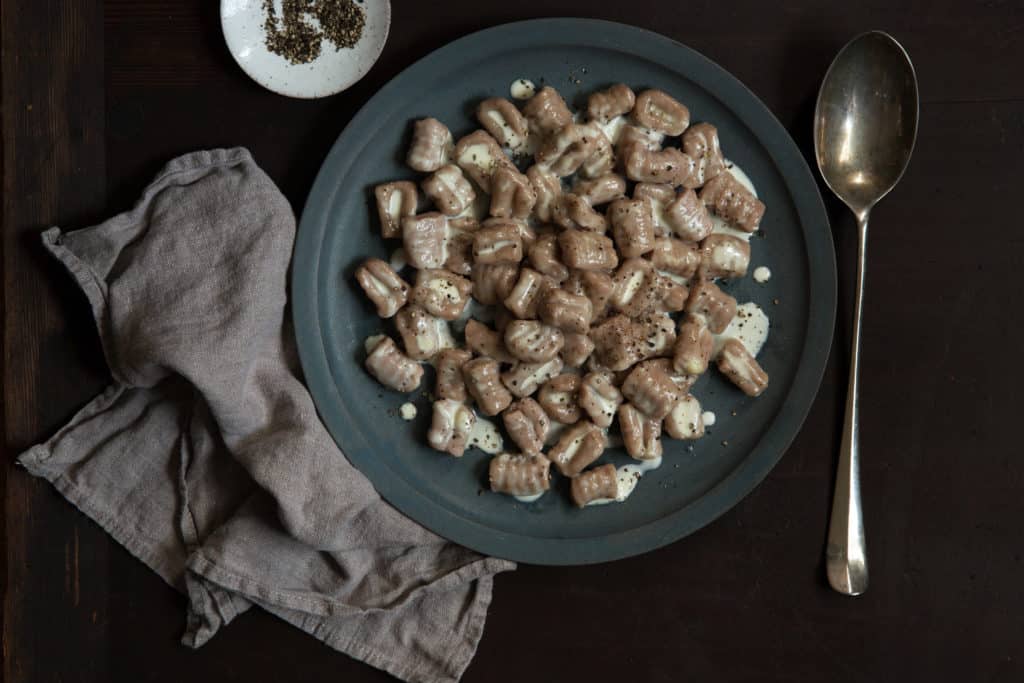
Now that you’re versed in Piedmont Italy food, you may want to cook it yourself! Here are a few of our readers’ favorite classic Italian recipes:
Piedmont Travel Guide
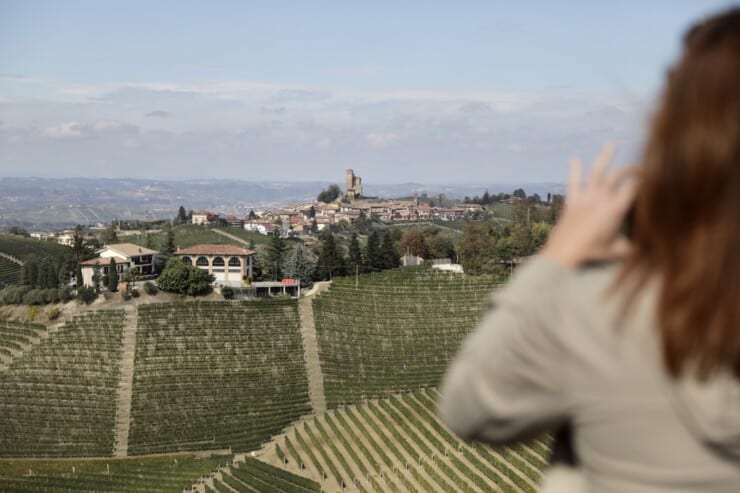
Considering traveling to try Piedmont Italy food in real life? Check out our free Piedmont Travel Guide for our best travel tips, recipes, and articles on Italy.
Have Us Plan Your Italy Trip
Our Italy travel planning services are here to help you achieve the ideal vacation. After discussing your preferences during a short consultation, we’ll plan your perfect itinerary.
Photo Credit: Opening photo by Peter Karas; Bagna Cauda by By mvatrabu; Castelmagno cheese by Luigi Bertello; Hazelnuts by Svetlana_Smirnova; Tajain and Agnolotti pasta by cosca; Vitello Tonnato by Alexander Prokopenko
