🔑 Quick answer: A family trip to Europe is feasible, but works differently than in the United States. Expect more walking, later meals, fewer public restrooms and changing tables, and often no AC. Switzerland and England are the easiest countries for young kids; Italy and Spain are rewarding but require the most flexibility. Pack light, build in rest days, and lean on baby carriers over big strollers.
Key Takeaways
- Europe with kids is very doable but different from the United States: more walking, later meals, fewer public restrooms and changing tables, and often no AC.
- Switzerland and England are the easiest countries for young kids; Italy and Spain are the most rewarding but require the most flexibility.
- Pack light, lean on baby carriers over big strollers, build in rest days, and plan park picnics to sidestep restaurant meltdowns.
A family trip to Europe can be the most rewarding thing you’ll ever do with your kids. From riding trains through alpine valleys to eating gelato in medieval squares, Europe offers history, culture, food, and adventure in ways few places can.
But traveling internationally with kids requires more planning than a solo trip or a couples’ getaway. Differences in infrastructure, meal times, transportation, climate, and daily rhythms can make family travel feel unexpectedly challenging.
As an Italy travel specialist and mom of two, I’ve learned that family travel in Europe isn’t about doing more; it’s about planning smarter. After years of living in Italy, planning custom European vacations, and returning regularly with my own children, I’ve found that a few practical adjustments make all the difference. This guide shares the advice I give our travel clients before every family trip to Europe.
Why Trust Us When It Comes to Your Family Trip To Europe
Planning a family trip to Europe isn’t the same as planning an adults-only vacation. The right hotel, train route, neighborhood, and daily pace can make the difference between an unforgettable trip and an exhausting one.
I lived in Italy for many years and now regularly return to Europe with my two young children. At Salt & Wind, we also plan more than 50 custom family trips to Europe each year across Italy, France, England, Switzerland, Portugal, and Spain. Every recommendation in this guide comes from first-hand experience planning and taking family vacations, not simply researching them online.
What Parents Wish They Knew Before Visiting Europe
Before deciding where to go, it’s helpful to understand how family travel in Europe differs from family travel in North America. Europe is an incredible experience for kids, but knowing what to expect will help you choose the right destination and avoid unnecessary stress.
Walking and Daily Pace
European cities are built for walking. Cobblestones, narrow sidewalks, stairs, and historic neighborhoods mean you’ll spend more time on foot than you would at home. Plan fewer activities, wear comfortable shoes, and leave room for playgrounds, cafés, or an extra snack stop.
Jet Lag Is Usually Harder Than the Flight
Most families worry about the flight, but the first two days after arrival are the biggest adjustment. Skip packed schedules and spend your first day outside exploring a neighborhood, visiting a playground, or lingering over a relaxed lunch. Daylight and fresh air help everyone adjust more quickly.
Traveling with little ones? Learn how to help kids with jet lag with practical, parent-tested tips that make adjusting to a new time zone easier for the whole family.
Strollers vs. Baby Carriers
Historic European cities weren’t designed with large strollers in mind. Stairs, older buildings, and metro stations without elevators can make getting around frustrating. A lightweight stroller, or even better, a baby carrier for younger children, makes sightseeing much easier.
Public Restrooms
Public restrooms are less common than in North America and sometimes require payment, so plan bathroom breaks around museums, cafés, and shopping centers.
Mealtimes and Food Culture
Meal times, especially in Southern Europe, are often later than many families are used to, and children’s menus aren’t common. Fortunately, restaurants are usually very accommodating and will happily prepare simple dishes like pasta, grilled meat, or vegetables. When everyone’s tired, pick up food from a bakery or market and enjoy a picnic in a local park instead.
Transportation
Europe’s trains are one of the biggest advantages of traveling with kids. They’re often easier than flying or driving, though not every station has elevators.
Luggage
Travel light. Between train stations, cobblestones, and smaller hotel rooms, you’ll be happier packing less and doing laundry once during longer trips.
Choosing the Best European Country for Your Family
Every family travels differently, so there isn’t one “best” destination for a family trip to Europe. The right country depends on your children’s ages, your travel style, your budget, and the experiences you hope to share.
Rather than trying to cover every corner of Europe, we’ve focused on the six countries our team recommends most often and knows best through years of planning family trips and traveling there ourselves. Use the guides below to compare each destination’s strengths and decide which one is the best fit for your family.
| Country | Best for | Ease with young kids | Relative cost | Why families love it |
|---|---|---|---|---|
| England | First-timers; all ages, toddlers to teens | Easy | $$$$ | Familiar language, free world-class museums, story-driven sightseeing |
| Portugal | Babies to elementary; beach + slow pace | Easy | $ | Best value, beaches, relaxed rhythm |
| Spain | School-age & teens; social, late nights | Moderate | $$ | Lively cities, tapas, beaches, kids everywhere |
| France | School-age & teens; culture + countryside | Moderate | $$$ | Museums and history paired with markets and coast |
| Switzerland | Babies to younger kids; outdoors | Easiest | $$$$ | Everything works: trains, playgrounds, alpine adventure |
| Italy | Preschool to teens (and carrier babies) | Moderate | $$$ | Food, history, and genuine warmth toward children |
England: Easy for First-Time Families
England is one of the easiest introductions to Europe for families thanks to its familiar language, excellent public transportation, and abundance of museums, parks, castles, and historic sights. It works well for every age, from toddlers who need playgrounds and flexible days to teenagers interested in history, theater, and Harry Potter. If this is your first family trip to Europe, I’d start here.
Where to Base Your Trip
London deserves several days, but I’d encourage families to venture beyond the capital. Bath, the Cotswolds, York, and the Cornish coast each offer a completely different perspective on England and are easy to combine with London by train.
In England, we’ve booked families into Bankside London, a central Autograph Collection hotel. For a night that doubles as entertainment, Le Petit Chef is 3D dining: a show, dinner, and international menu rolled into one, and kids love it.
Good to Know
Getting around: London’s public transportation is excellent, but buses are often easier when traveling with a stroller. Across the country, trains make it simple to explore without renting a car, and booking tickets in advance can save a significant amount of money.
Museums and attractions: One of England’s biggest advantages for families is the number of outstanding museums with free admission. Between the Natural History Museum, Science Museum, British Museum, and the city’s many parks, it’s easy to fill a day without spending much at all.
Weather: England’s weather is famously unpredictable, even in summer. I always pack layers and a lightweight rain jacket rather than relying on the forecast.
Our Recommendation
Lean into England’s literary and historical heritage rather than trying to check off landmarks. Whether your kids are fascinated by castles, Shakespeare, Harry Potter, Beatrix Potter, or World War II history, giving them a story to follow turns sightseeing into an adventure.
Portugal: Beaches, Value, and Slower Travel
Portugal is one of Europe’s best values for families, combining beautiful beaches, welcoming locals, excellent food, and a relaxed pace that’s easy to enjoy with children.
I especially recommend Portugal for families with babies, toddlers, and elementary-age kids who benefit from a slower pace. I also recommend it to families for a first European trip because it’s more affordable than France, Italy, or Switzerland while still offering a wonderful mix of cities, coast, and culture.
Where to Base Your Trip
For a first visit, I’d split my time between Lisbon and the coast. Lisbon is full of colorful neighborhoods, historic trams, and great food, while nearby Cascais offers an easy beach escape if you’re traveling with younger children.
If your family is primarily looking for sunshine and outdoor time, head south to the Algarve, where calm beaches, family-friendly resorts, and plenty of space to play make traveling with kids feel remarkably easy.
A couple of the family stays we book here, among many, are Pine Cliffs in the Algarve, a polished resort with a kids’ club, and the laid-back Noah Surf House near Lisbon. Our top pick for family dining in Lisbon is El Clan; the bright walls and playful light fixtures make it a great spot for kids.
Good to Know
Getting around: Lisbon and Porto are known for their steep hills, cobblestone streets, and historic neighborhoods, so a lightweight stroller or baby carrier will make sightseeing much easier. Once you’re outside the larger cities, getting around becomes considerably simpler.
Meals: Portuguese restaurants welcome children, and bakeries are perfect for easy breakfasts, picnics, or snacks. Don’t miss bola de carne, a savory stuffed bread that’s ideal on travel days.
Summer: Portugal has one of Europe’s mildest climates, but air conditioning isn’t guaranteed, particularly in older hotels and apartments. If you’re visiting in July or August, it’s worth confirming before you book.
Our Recommendation
Don’t treat Portugal like a country to conquer; treat it like one to savor. Rather than hopping between Lisbon, Porto, and the Algarve, choose one city and one stretch of coastline and settle in.
Spain: Vibrant, Social, and Great With Kids
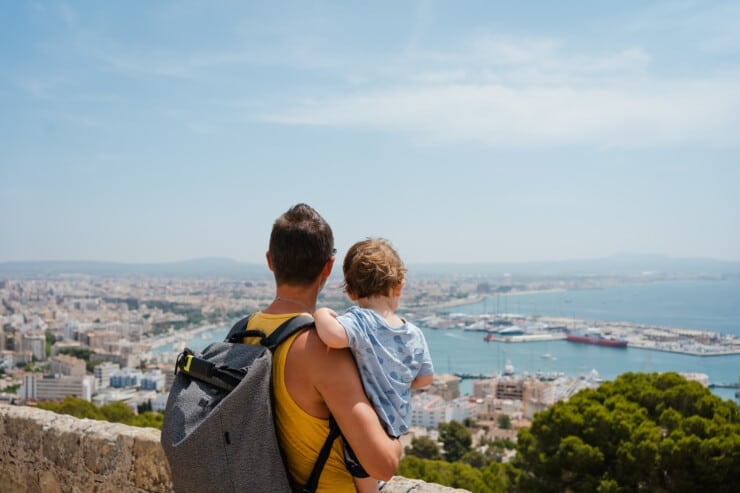
Spain is ideal for families who enjoy lively cities, outdoor dining, beaches, and a culture where children are part of everyday life. It works particularly well for families with school-age children and teens who can embrace later meals and energetic evenings.
Where to Base Your Trip
Barcelona is an excellent first stop because it combines beaches, parks, architecture, and easy public transportation. Madrid is better for families interested in museums, green spaces, and day trips, while San Sebastián is ideal for food-focused families.
For a slower trip, I often recommend pairing a city with the Costa Brava, Mallorca, or another coastal destination rather than moving between several major cities.
Two Spanish stays we love for families, among many, are Hotel Aiguablava on the Costa Brava and Casa La Siesta inland from the coast of Cádiz. In Barcelona, our favorite kid-friendly tapas spot is Louro, with a full kids’ menu for even the pickiest eaters.
Good to Know
Getting around: Madrid and Barcelona are generally easier with strollers than many historic cities elsewhere in Southern Europe, but apartments can still be challenging. Always check whether a building has an elevator and whether it is large enough for your stroller.
Meals: Late dining is often the biggest adjustment. Tapas make things easier because children can try small portions, share what they like, or fill up on bread and familiar dishes. Pan con tomate: toasted bread with tomato is widely available and tends to be an easy win with kids.
Summer: Central and southern Spain can be extremely hot in July and August, and air conditioning is not guaranteed in every rental or hotel. For peak summer, I would favor the northern coast, islands, or beach destinations over inland sightseeing.
Our Recommendation
Don’t fight the Spanish way of life but embrace it. Sleep a little later, enjoy a leisurely lunch, take an afternoon break when it’s hottest, and head back out for tapas in the evening.
France: Culture Meets Countryside
France is an excellent choice for families who enjoy museums, history, food, and cultural experiences. It works best for school-age children and teenagers who can appreciate castles, art, and historic sites, though younger children do wonderfully when you balance sightseeing with parks and outdoor time.
Where to Base Your Trip
Start in Paris, then slow down somewhere else. Provence offers hilltop villages and markets; Normandy combines history with wide-open beaches; the Loire Valley is perfect for castle-loving kids; and Hossegor is ideal for active families who want time by the Atlantic.
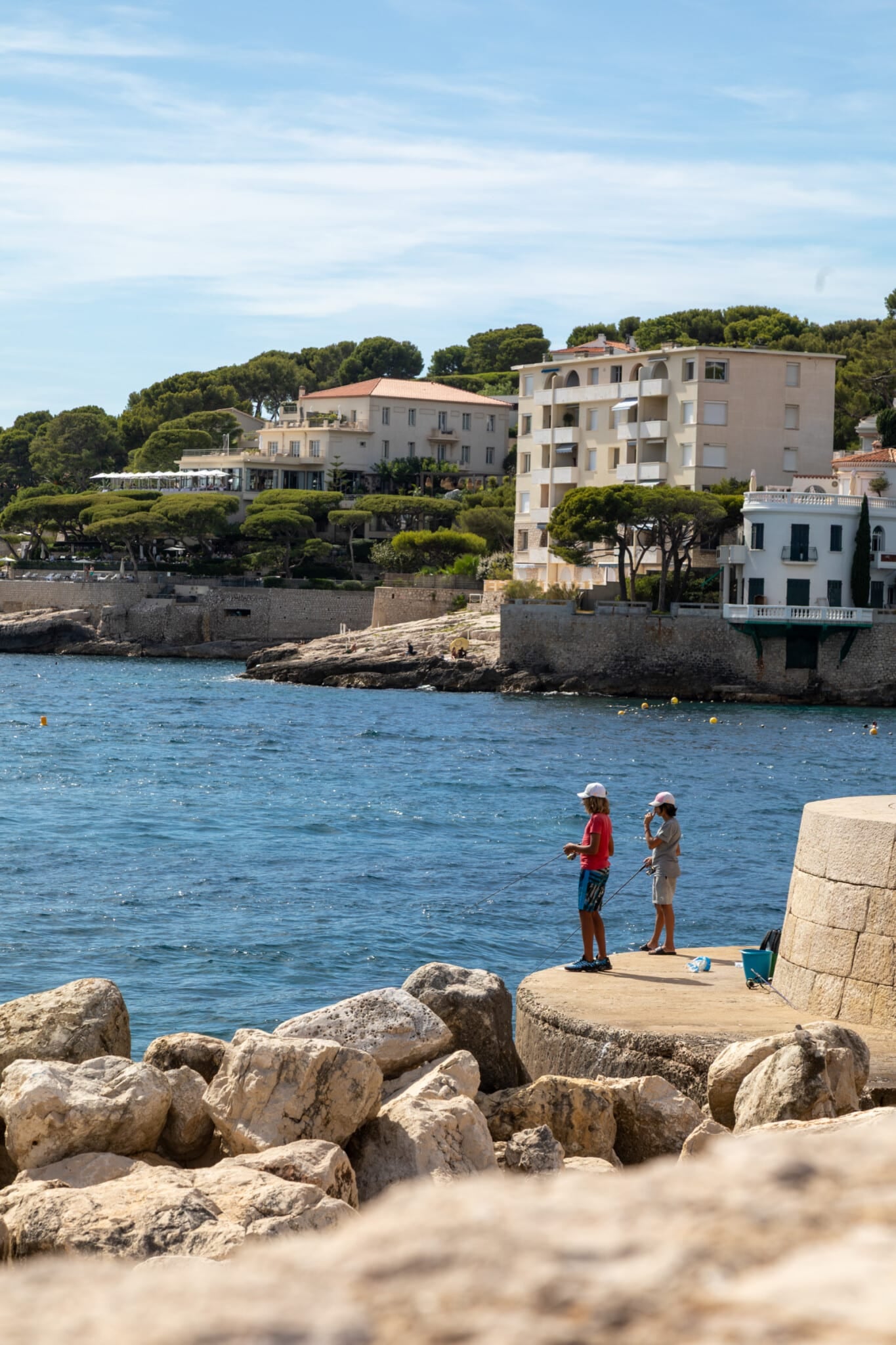
A few French family bases we book, among many, are Les Roches Blanches above the Calanques in Cassis, the nature-ranch Le Barn about an hour from Paris, and Les Hortensias du Lac on the Atlantic in Hossegor. More in our France trip planning guide.
Good to Know
Getting around: France’s trains are excellent, but many Paris Métro stations still lack elevators. A lightweight stroller is key, and buses can be a better option for young children.
Meals: French restaurants may expect children to sit quietly for longer than families are used to at home, and children’s menus are not always available. Cafés and casual bistros tend to be more flexible and often serve food throughout the day, which makes it easier to eat on your family’s schedule.
Disneyland Paris: Buy tickets in advance and treat the visit as a planned day rather than a last-minute addition, especially during school holidays.
Our Recommendation
For a first visit, we’d always start in Paris. It gives you the cultural context that makes the rest of France feel richer and more meaningful.
Switzerland: Adventure Made Easy
Switzerland is one of Europe’s easiest destinations for families thanks to reliable transportation, clean cities, and endless opportunities to enjoy the outdoors. It’s especially well suited to families with babies, toddlers, and younger children because the infrastructure makes everyday travel remarkably easy. Although it’s one of Europe’s more expensive destinations, I often recommend it to first-time visitors because everything, from trains to playgrounds, simply works.
Where to Base Your Trip
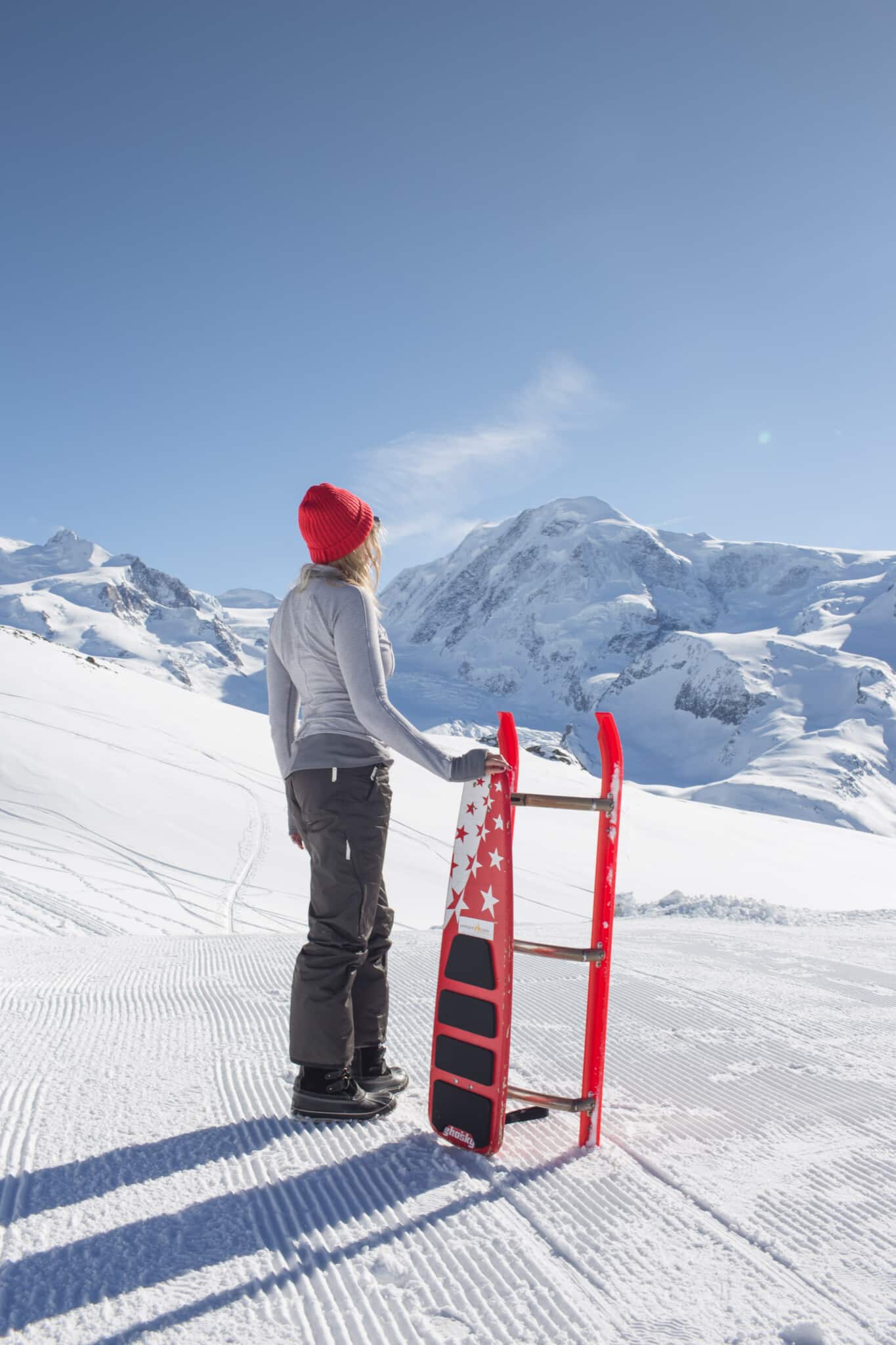
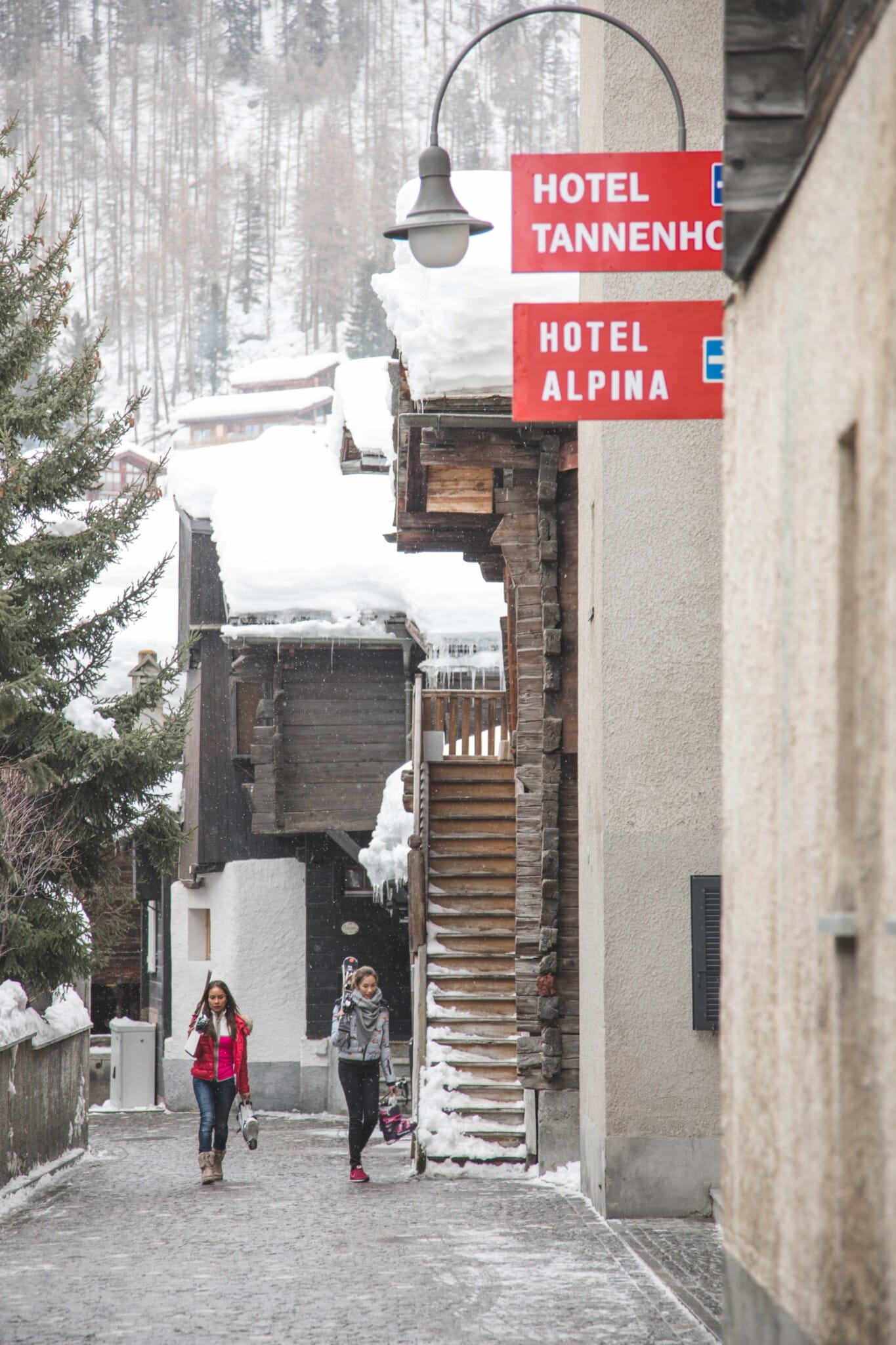
Lucerne is a strong first stop because it combines a beautiful lake, an easy-to-navigate town, and quick access to the mountains. The Berner Oberland is ideal for hiking, waterfalls, and classic alpine scenery, while Zermatt is well-suited to car-free village life and mountain excursions. Zürich and Lausanne are good city options, but I would pair either with time in a smaller mountain or lakeside destination.
Two Swiss family favorites, among many, are HUUS Gstaad in the Berner Oberland and Zermatt’s grand Mont Cervin Palace. In Zürich, we love Frau Gerold for families: garden seating so kids can play, plus an easy menu of cheese dips, hummus, burgers, and other kid-pleasers. Our Switzerland trip planning guide walks you through what to know before you go.
Good to Know
Getting around: Switzerland’s trains, buses, boats, and mountain railways make it possible to plan an entire trip without renting a car. Some intercity trains even have family cars with play areas, which can turn a travel day into one of the highlights for younger children.
Strollers and restrooms: Smooth sidewalks, elevators, ramps, clean public restrooms, and more readily available changing tables make Switzerland considerably easier with babies and toddlers than many other European destinations.
Budget: Food, lodging, activities, and transportation all cost more here. Family rail passes and apartment-style accommodations can help, but Switzerland is rarely a budget destination.
Our Recommendation
Switzerland is the perfect place to help your kids build confidence through adventure. Some of the most memorable moments happen when children realize they’re capable of something they never thought they’d do, and Switzerland is one of the best places in the world for those experiences.
Italy: Food, History, and Family Life
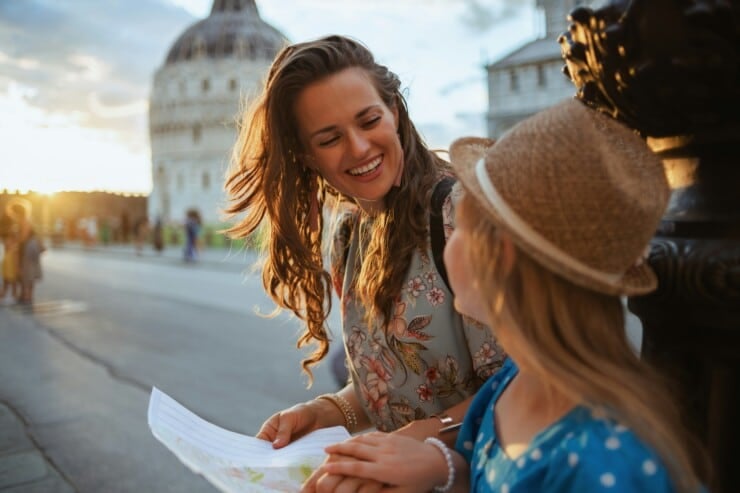
Italy is one of Europe’s most rewarding family destinations for travelers who love food, history, beaches, and hands-on cultural experiences. I especially recommend it for families with preschoolers through teenagers who enjoy exploring and don’t mind slowing the pace, though babies who are happy in a carrier often do surprisingly well, too.
It isn’t always the easiest place to navigate with young children, but I’ve found the warmth Italians show families more than makes up for the occasional logistical challenge.
Where to Base Your Trip
For a first visit, I usually recommend pairing one city with one slower destination rather than trying to see everything. Rome and Florence are strong introductions, while Tuscany, Lake Garda, Liguria, Puglia, Sardinia, and the Dolomites all make excellent family bases. In summer, I would strongly consider the coast or the lakes instead of building a trip around several inland cities.
A few of the Italian stays we book for families, among many others, are the beachfront Forte Village in Sardinia and the mountain-set Sonnwies in the Dolomites. One of our favorite places to eat with kids near Florence is Trattoria Le Cave di Maiano, just outside Fiesole: a play area where kids can run around while you eat, and a farm next door to visit afterward.
Good to Know
Getting around: Historic centers are full of cobblestones, stairs, and narrow sidewalks. After my daughter was born in Florence, I spent two and a half years trying to make a stroller work because she hated the carrier. My son loved being carried, and moving around with him was dramatically easier.
Transportation: High-speed trains make getting between cities easy, though not every station has elevators, so packing light matters.
Meals: Children’s menus are uncommon, but most restaurants will happily prepare pasta with tomato sauce, butter, or olive oil.
Summer: Rome and Florence can be intensely hot in July and August, and air conditioning is not guaranteed. Italy’s beach clubs are much easier for families because they combine shade, bathrooms, food, and a place for children to play.
If you’re planning a vacation to Italy with children, our complete Italy with Kids guide covers family-friendly itineraries, where to stay, transportation tips, and the destinations we recommend most for every age.
Our Recommendation
Resist the temptation to check off Italy’s greatest hits in one trip. Instead of rushing between major cities, pair one with a slower destination: Florence with the Tuscan coast, Milan with the lakes, or Rome with the countryside. Your kids will remember the afternoons playing in a piazza or swimming at the beach far more than another museum.
| Trip Length | Recommended Number of Countries | Planning Note |
|---|---|---|
| 7–10 days | 1–2 countries | Choose one main destination or two well-connected places and avoid frequent hotel changes |
| 10–14 days | 2–3 countries | Use direct train or flight connections and include at least one slower stop |
| 2–3 weeks | 3 countries maximum | Build in rest days and stay at least three or four nights in most locations |
Final Planning Tips for a Family Trip to Europe
The best family trips to Europe aren’t the ones that visit the most places—they’re the ones that leave room for discovery. Stay longer, move less, and build in downtime. Those are the moments your kids are most likely to remember years later.
Frequently Asked Questions
There's no single best time; it depends on what your family enjoys most.
- March and April: Great for spring break, blooming gardens, and even late-season skiing in the Alps, though you'll likely encounter cooler temperatures and some rain.
- Late May and June: Our favorite time to visit. Expect long daylight hours, pleasant weather, and fewer crowds before European school holidays begin.
- July and August: Best for beach vacations, but also the busiest and hottest months. Cities like Rome, Florence, Madrid, and Seville can be uncomfortably hot for young children.
- September: Another favorite. The weather stays warm across much of Southern Europe, the sea is still swimmable, and crowds begin to thin.
- Winter: Ideal for Christmas markets, skiing, and festive city breaks, though daylight hours are shorter and some seasonal attractions close.
If you're flexible, we'd choose late May, June, or September almost every time.
The cost of a family trip to Europe depends on the destinations you choose, your travel style, and whether you're visiting cities, beaches, or the countryside. As a general rule, Switzerland and England are among the most expensive destinations, while Spain and Portugal typically offer the best value.
Yes. Europe is generally one of the safest regions in the world for family travel. As in any major destination, use common sense in crowded tourist areas, keep an eye on valuables, and familiarize yourself with local emergency numbers before you travel.
For a first trip, we recommend spending 10 to 14 days in Europe and limiting your itinerary to one or two countries. Traveling at a slower pace gives children time to adjust to jet lag, settle into a routine, and enjoy each destination without constantly packing and unpacking.
Switzerland and England are typically the easiest thanks to reliable public transportation, stroller-friendly infrastructure, plentiful public restrooms, and family-friendly attractions. Portugal is another excellent option for families looking for a slower pace and beach time.
It depends on where you're traveling. Switzerland and England are among the easiest destinations for strollers, while historic cities in Italy and Portugal often have cobblestones, steep hills, and stairs that make a lightweight stroller—or even better, a baby carrier—a much easier choice.
For most first-time family trips, public transportation is the easiest option. Europe's train network is reliable, comfortable, and often less stressful than driving between cities. Rental cars make the most sense for exploring rural areas such as Tuscany, Provence, or parts of Portugal.
If you'll primarily be traveling by train, probably not. If you're renting a car or arranging private transfers, reserve a car seat well in advance or bring a lightweight travel seat. Most airlines allow car seats to be checked free of charge, and FAA- and EASA-approved seats can often be used on board.
The biggest adjustment usually comes after you land, not during the flight. Spend your first day outdoors, keep everyone awake until bedtime, avoid overscheduling, and let natural daylight help reset your family's internal clock.
Usually. While children's menus aren't common, most restaurants are happy to prepare simple dishes such as pasta with butter or tomato sauce, grilled chicken, potatoes, or vegetables. Bakeries, cafés, and local markets are also excellent options for quick, kid-friendly meals.
In most Western European countries—including England, France, Switzerland, Spain, Portugal, and much of Italy—tap water is safe to drink. If you're unsure, simply ask your hotel or restaurant.
Absolutely. Supermarkets and pharmacies throughout Europe stock diapers, wipes, formula, baby food, sunscreen, and other baby essentials. We recommend packing enough supplies for travel days, then purchasing what you need after you arrive.
Some do, but many don't. Apartment rentals often include washing machines, and laundromats are common in larger cities. Rather than packing for every possible outfit, we recommend planning to do one load of laundry during longer trips.
Yes, but some countries are easier than others. England, Switzerland, and Portugal are our top recommendations for families with toddlers thanks to their reliable infrastructure, outdoor spaces, and slower pace. Historic destinations like Italy and Spain can be just as rewarding, but they're often easier if you embrace a flexible schedule and don't try to pack too much into each day.

Recipes Inspired By Europe
Not heading to Europe quite yet? Here are a few of our favorite family-friendly recipes to make at home to stoke your wanderlust:

Italy Travel Guide
Are you considering traveling to Italy in real life? Check out our complimentary Italy Travel Guide for our best travel tips, recipes, and articles.
Have Us Plan Your Italy Trip
Did you know we’re also a boutique travel agency specializing in Italy travel planning? If you’re looking to plan one of the best trips to Italy, our Italy vacation planner services are here to help you plan your perfect itinerary.