Have you ever heard of Bergamo, Italy? Whether your answer is “sì!” or “no,” in this guide, we will share why Bergamo is a fantastic place to visit and give you some insider tips you may not know about this adorable town at the foot of the Italian Alps.
Key Takeaways
- Bergamo Italy offers medieval architecture, Renaissance art, and modern culture in one city.
- The Città Alta and lower city create a vivid contrast between old town charm and contemporary life.
- Its UNESCO World Heritage Site walls and proximity to Milan and Franciacorta make it a best place for Northern Italy exploration.
As Italy vacation planning experts, Bergamo is a place we don’t get asked about often, but we wish we did! Our team frequently visits Bergamo’s Città Alta, on our own or with small groups, and we never tire of its breathtaking views, local products, and rich history.
It’s a great town to use as a jumping-off point for your Northern Italy excursions, to visit the Italian Lakes, or as a day trip from Milan. We love it for its beauty, its well-connectedness, and because it’s rarely touristy or crowded.
Set at the foot of the Italian Alps, Bergamo city center unfolds across two levels: the historic upper city (Città Alta) and the lower town (Città Bassa). Together, they create an unforgettable experience of Renaissance architecture, medieval streets, and farm-to-table culture.
With its recognition as a UNESCO World Heritage Site, artisan food shops, and proximity to Milan, Lake Como, and the Franciacorta wine region, Bergamo is no wonder we consider it one of Northern Italy’s best-kept secrets.
Why Visit Bergamo, Italy
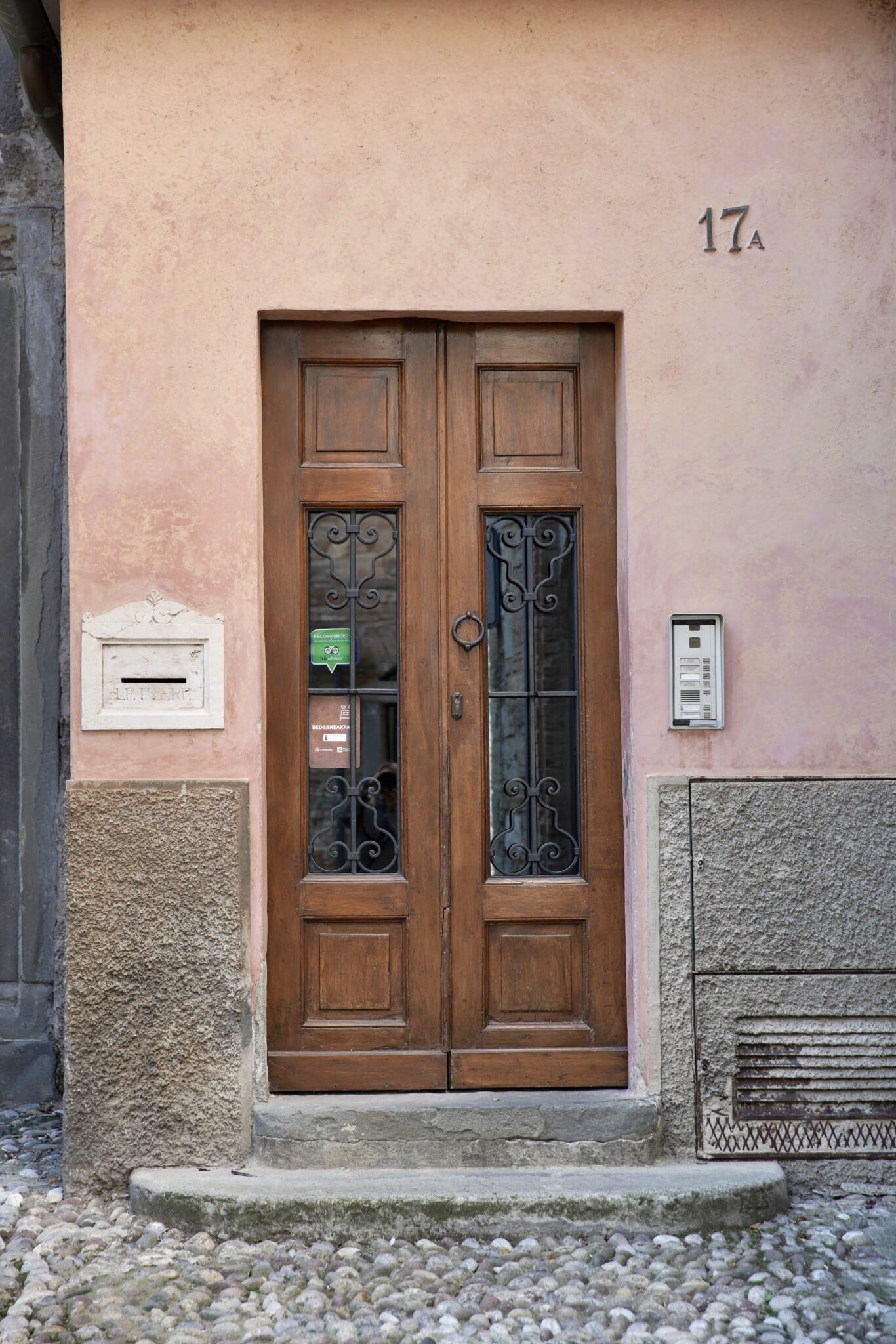
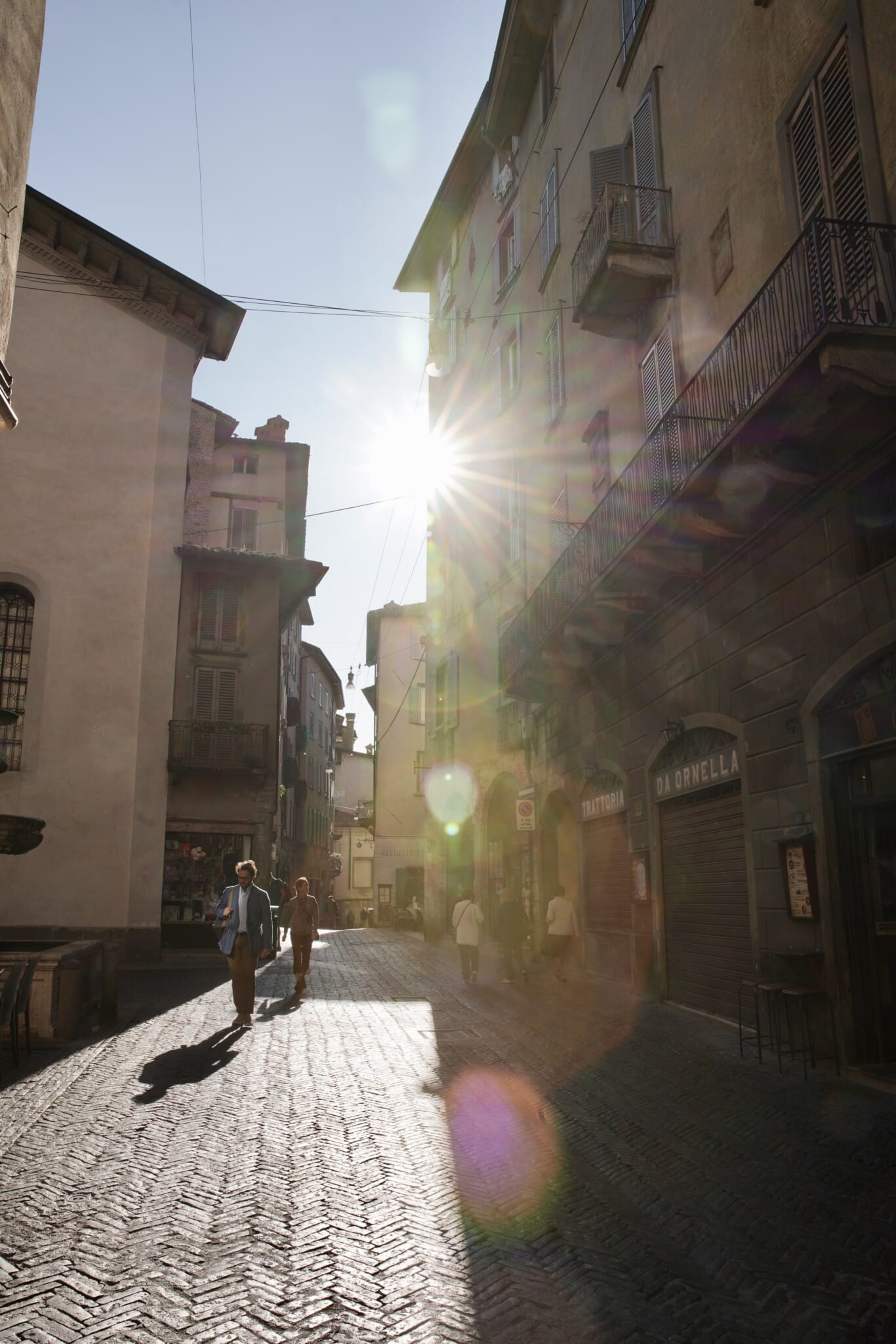
Bergamo, Italy, is an ancient town that rewards curiosity. You can take a leisurely walk through narrow cobblestone streets, admire historic buildings, and find Roman ruins behind Renaissance façades.
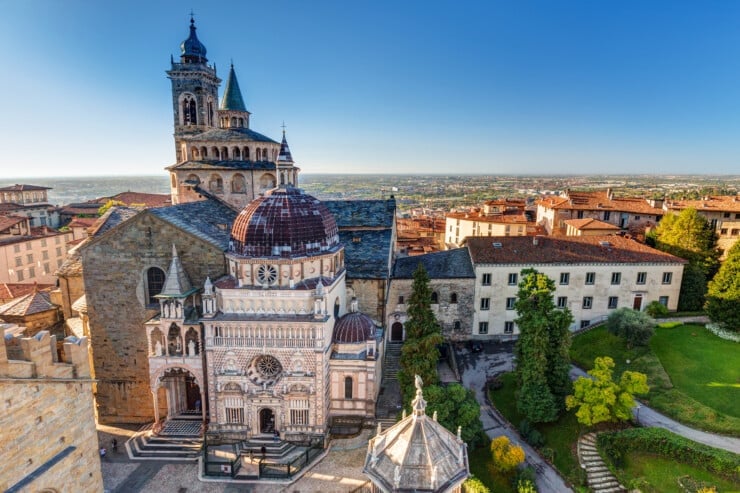
The old town (Città Alta) feels frozen, with medieval architecture everywhere, from the Palazzo della Ragione and Torre Civica (Civic Tower) to the Duomo di Bergamo and the eye-catching Colleoni Chapel.
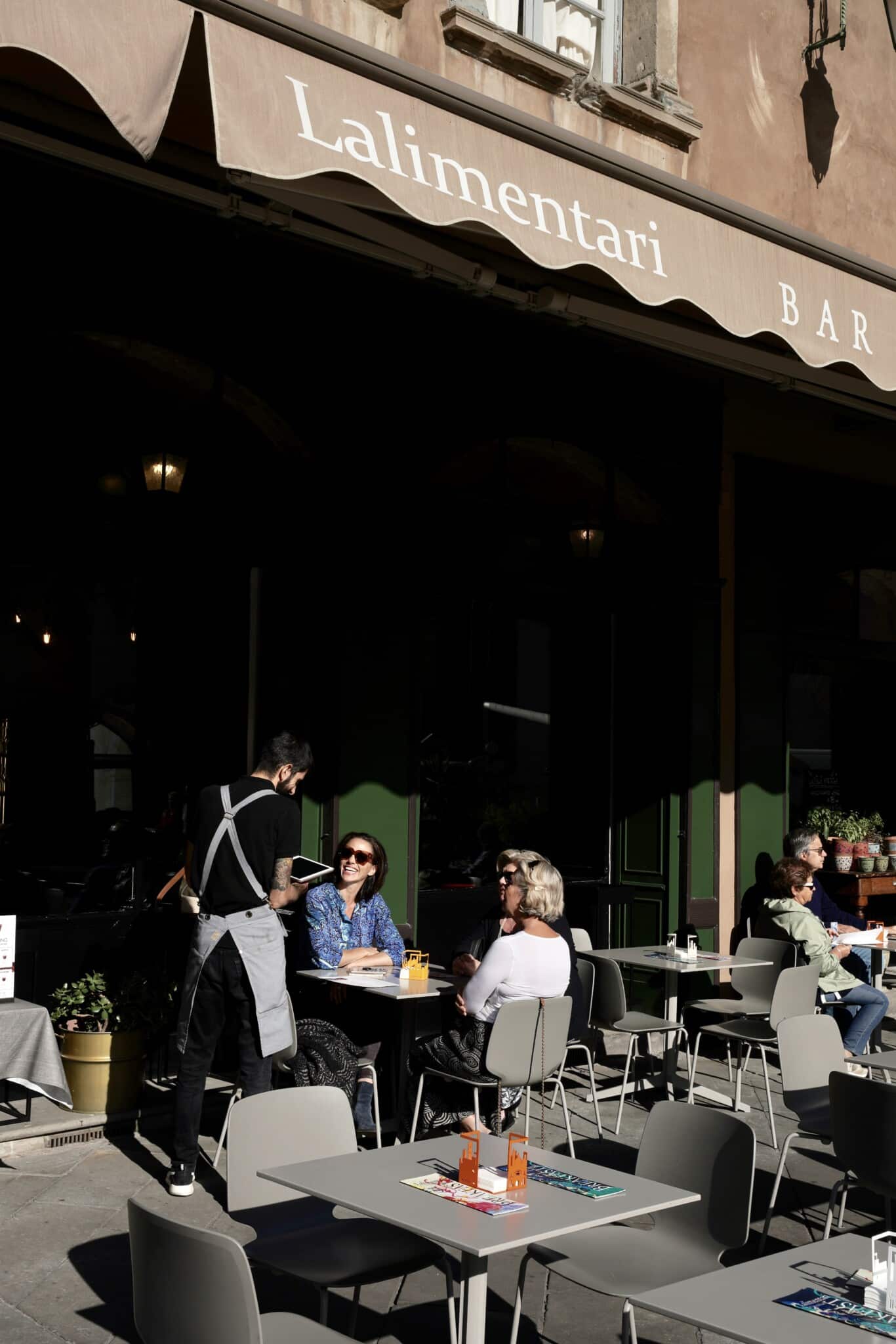
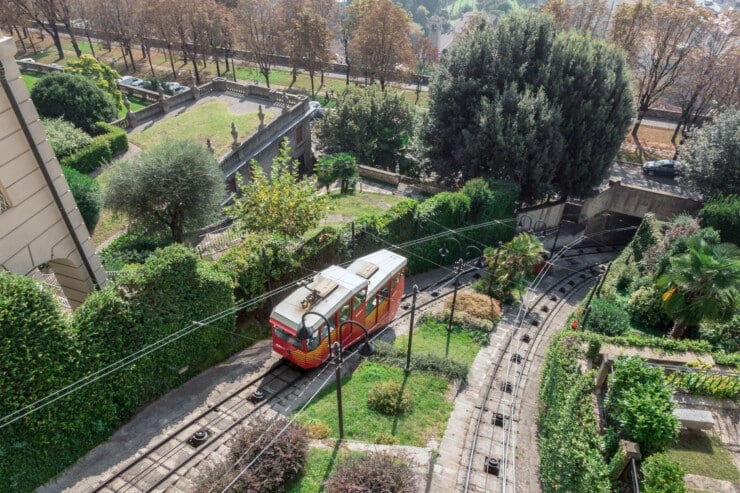
The lower part of the city, or new town, hums with university life, trendy cafés, and design-forward shops. It’s easy to reach by public transport, including the funicular or even a tuk-tuk ride for fun, and connects directly to Bergamo train station, the airport bus, and bus stops near Porta Nuova.
Bergamo’s blend of ancient buildings and modern energy makes it an excellent place for a short break or a day trip. Thanks to its Venetian rule heritage, you’ll find influences from the Republic of Venice in its art, food, and urban layout, a good thing for lovers of elegant Renaissance architecture.
Where Is Bergamo, Italy?
Located in Lombardy, just under an hour from Milan by train or car, Bergamo is a perfect base for exploring Northern Italy. The Cisalpine Republic once governed this ancient town, and its location at the base of San Vigilio Hill made it a strategic stronghold through the centuries.
Get to Know Bergamo
Founded by Celtic tribes, developed by the Romans, and fortified during Venetian rule, Bergamo’s rich history can be read in every stone. Its city walls, completed in the 16th century, protected medieval Bergamo for centuries.
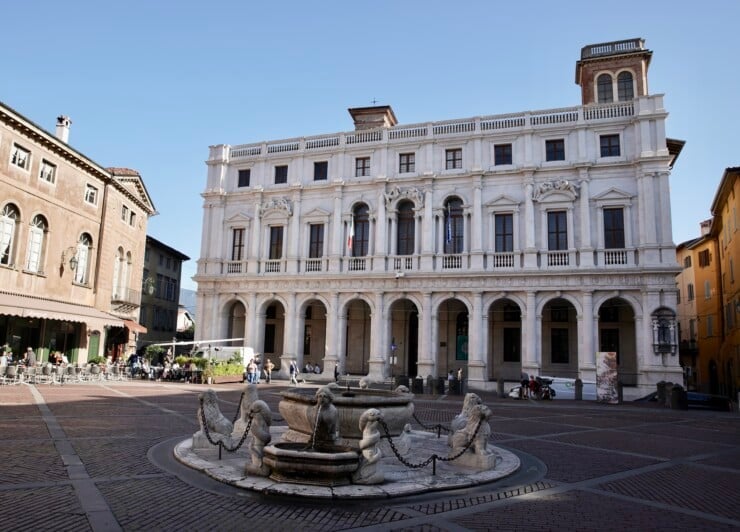
Inside the city gates, you’ll find Renaissance masterpieces by Lorenzo Lotto and Giovanni Bellini, housed at the Accademia Carrara art gallery in the lower city. Meanwhile, Palazzo Nuovo and the Palazzo della Ragione stand as proud reminders of the town’s Renaissance architecture in Piazza Vecchia, often cited as one of Italy’s most beautiful squares.
Don’t miss Piazza del Duomo (also called Piazza Duomo), where the Basilica of Santa Maria Maggiore and Bergamo Cathedral (Duomo di Bergamo) face each other, creating a breathtaking panoramic view of faith and artistry. The eye-catching Colleoni Chapel, built for mercenary captain Bartolomeo Colleoni, is one of the most ornate examples of Renaissance architecture in Northern Italy.

Six Top Things To Do in Bergamo
Explore Città Alta
Also known as Bergamo Alta, the historic upper city sits atop a steep hill overlooking the lower city. Ride the charming old cable car or funicular railway from Piazza Mercato delle Scarpe up to the heart of the old town. From there, wander to Piazza Vecchia, surrounded by Palazzo della Ragione, Palazzo Nuovo, and the Civic Tower.
Climb the Torre Civica for panoramic city views or walk to Rocca di Bergamo, a 14th-century fortress with breathtaking views across the plains and Alps. Each corner reveals ancient buildings and medieval architecture that tell stories of power and artistry.
Visit Piazza Duomo & the Colleoni Chapel
Piazza Duomo is a must-see. Here you’ll find the Basilica of Santa Maria Maggiore, Bergamo Cathedral, and the Colleoni Chapel, an eye-catching chapel covered in pink and white marble. The chapel’s namesake, Bartolomeo Colleoni, was a local hero whose motto, “good luck” (his family crest symbol), has become legend among locals.
Wander the Venetian Walls
Take a leisurely walk along the city walls, a UNESCO World Heritage Site, and enjoy breathtaking panoramic views. Enter through the city gates, especially Porta San Giacomo, for postcard-worthy photos. At sunset, the view of Bergamo’s Città Alta, glowing golden, is worth visiting all on its own.
Discover the Accademia Carrara Art Gallery
In the lower city, this world-class art gallery houses Renaissance masterpieces by Lorenzo Lotto, Giovanni Bellini, and others. The collection showcases centuries of Renaissance architecture, Roman ruins, and ancient art that shaped medieval Bergamo. It’s a great way to spend a few hours before aperitivo.

Enjoy Local Food
The food here reflects centuries of local products and farm-to-table traditions, so come hungry. Stop by Il Fornaio bakery for legendary focaccia, or head to La Marianna, the birthplace of stracciatella gelato. At the markets, you’ll find cheeses, salumi, and honey sourced directly from local farmers in the surrounding hills.
Bergamasco dishes are hearty and mountain-born: try casoncelli alla bergamasca, delicate pasta filled with meat and breadcrumbs and dressed with butter and sage, or polenta taragna, a rustic mix of cornmeal and buckwheat enriched with local cheese. You’ll also find comforting classics like coniglio alla bergamasca (wine-braised rabbit) and stinco al forno (roasted pork shank), perfect with a creamy side of polenta.
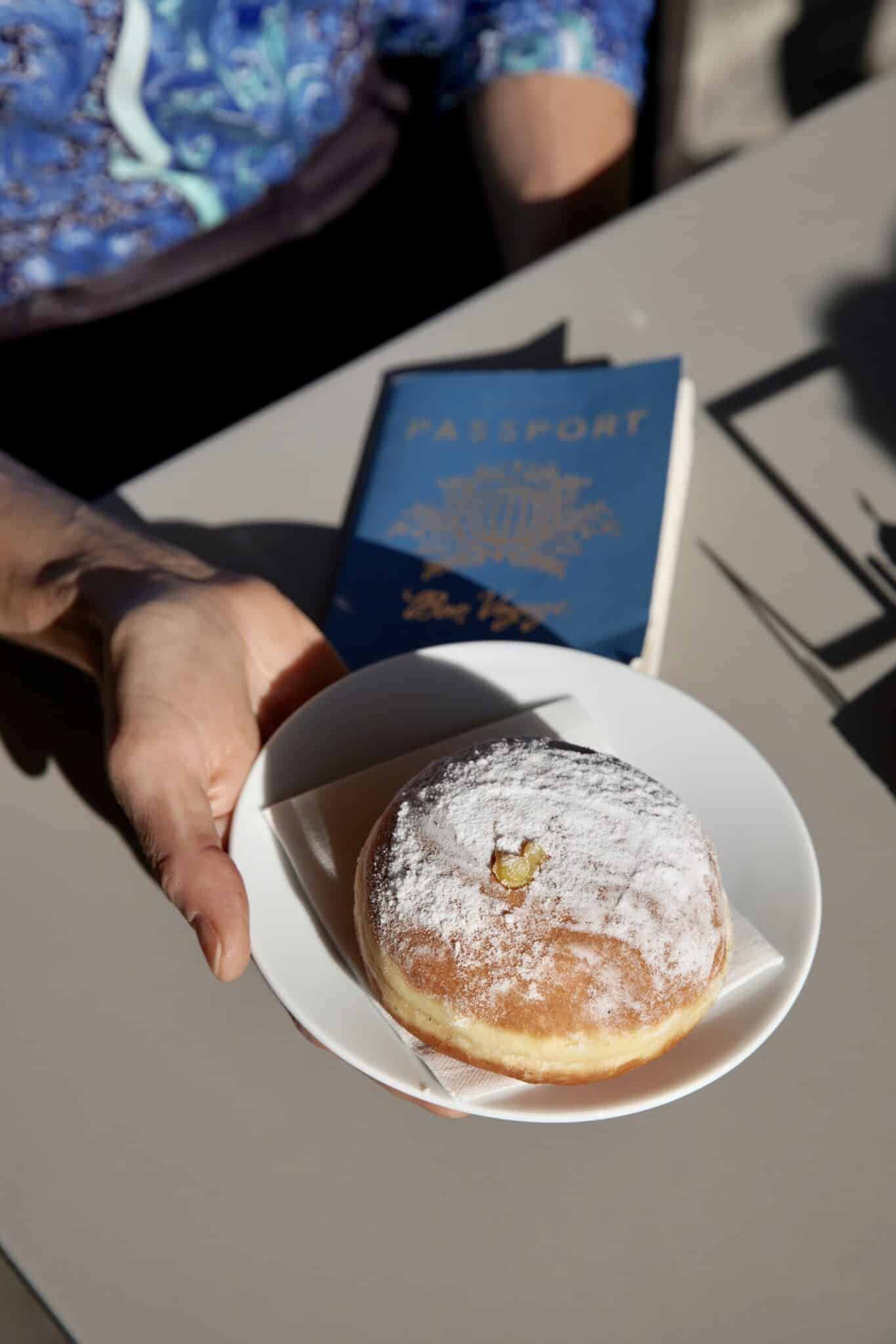
Sweet tooths shouldn’t miss the unique polenta e osei cake or a slice of buttery Torta Donizetti. Pair any of these dishes with a glass of Valcalepio DOC red or a sip of rare Moscato di Scanzo DOCG, and you’ll taste Bergamo’s landscape in every bite and drop.
Climb San Vigilio Hill
Take the second funicular railway to San Vigilio Hill for a higher vantage point. The Rocca di Bergamo and nearby trails provide breathtaking views and access to ancient buildings once used as watchtowers. A leisurely walk here is a great way to end your visit.
Know Before You Go To Bergamo
Consider the Weather
Bergamo enjoys a relatively temperate climate, but winters can be cold and damp, with occasional snow in Città Alta. Summers can be warm but rarely as sweltering as in cities further south.
Spring (May–June) and early autumn (September–October) offer the most pleasant weather for sightseeing, walking, and sitting outside. We suggest to all our clients (not just those going to Bergamo) that if possible, avoid mid-August, during the Italian holiday of Ferragosto, as many businesses close and the city can feel quieter than usual.
Go During The Week
If you’re daytripping from somewhere else, consider that weekends bring more visitors from Milan so that weekdays will offer a calmer experience.
When we host group trips to the wine area around Franciacorta, we often include a stop in Bergamo, and 9 times out of 10, our guests wish they had more time to explore. So, if you plan a day trip, consider making an overnight trip to maximize your experience.
Mind The Olympics Pull
The winter Olympics will be in this area in 2026. So, if you’re planning a trip, remember that things will be expensive and booked during that period. If you’re going to see some of the Olympics, Bergamo could be a great place to stay due to its proximity to the games and all that it has to offer otherwise.
Wear comfortable shoes!
The cobblestones in Città Alta are charming but uneven. If you’re visiting museums or churches, check opening hours in advance, as many close for a midday break or on certain days of the week.
How to Get to Bergamo, Italy
By Train:
From Milan Centrale or Porta Garibaldi, trains reach Bergamo train station in about 50 minutes. Trains depart regularly from Milan Centrale and Milan Porta Garibaldi stations, taking around 50 minutes.
Tickets are generally under €6 each way if purchased in advance. From Bergamo’s Città Bassa train station, you can walk, take a bus, or hop on the funicular to reach Città Alta.
By Car
Drive the A4 motorway toward Venice and exit at Bergamo. Park in the lower city and take the funicular up. If you prefer the flexibility of driving, take the A4 motorway east from Milan toward Venice, exiting at Bergamo.
The trip takes 45–60 minutes, depending on traffic. While driving allows you to explore the surrounding villages and countryside, parking in Città Alta is extremely limited. Most visitors park in Città Bassa and use the funicular or shuttle buses to reach the upper town.
By Air
Thanks to its proximity to Orio al Serio International Airport, also called Milan Bergamo Airport, Bergamo is well connected to European destinations, making it an easy stop for travelers flying in or out of northern Italy.
Italy Travel Tip: Here at Salt & Wind Travel, we’ve specialized in Italy vacation planning for over a decade, so we’ve helped clients with how to get around in Italy, including throughout Bergamo, Brescia, and the lakes.
Frequently Asked Questions About Bergamo Italy
Stay in Città Alta for old-world charm and views; choose Città Bassa for nightlife and easier transport.
You can see highlights in a day, but staying overnight lets you enjoy the quiet magic of Bergamo Alta after day-trippers leave. Or, if you stay multiple nights, you can use it as a homebase for exploring everything from Milan and Lake Como to Franciacorta and Lake Garda.
Try casoncelli alla bergamasca, polenta taragna, and polenta e osei at family-run trattorias. Pair with Franciacorta sparkling wine for the whole Lombard experience.
What To Do In Milan
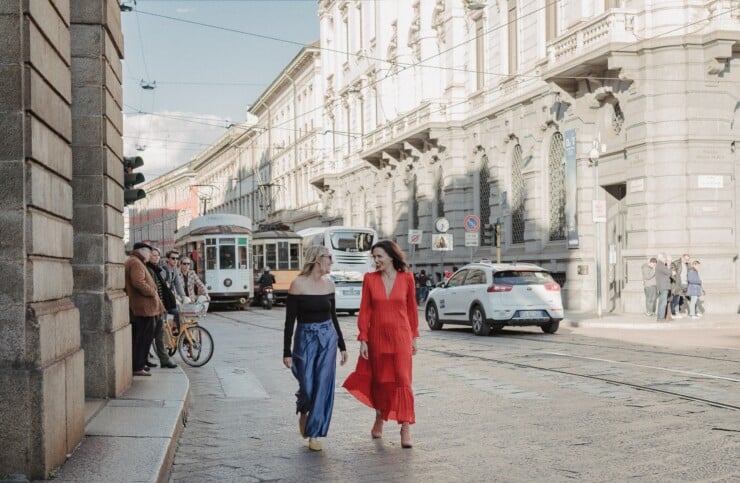
Heading to Milan soon? We’ve spent decades working there and planning trips to this underrated city. Check out our list of more than 35 ideas of what to do in Milan to explore the city like a local, from food tours and under-the-radar sights to events and world-class shopping.

Recipes Inspired By Italy
Not heading to Italy quite yet? Here are a few of our favorite classic Italian recipes to make at home to stoke your wanderlust:

Lombardy Travel Guide
Are you considering traveling to Sirmione, Italy, and the Lombardy region in real life? Check out our complimentary Lombardy Travel Guide for our best travel tips, recipes, and articles.
Have Us Plan Your Italy Trip
Did you know we’re also a boutique travel agency specializing in Italy travel planning? If you’re looking to plan one of the best trips to Italy, our Italy trip planner services are here to help you plan your perfect itinerary.
From private tastings in Franciacorta to Michelin-star dining and day trips to Lake Garda, our Salt & Wind Travel team curates bespoke itineraries across Northern Italy.
Photo Credit: Opening photo and photo of funicular from Shutterstock. All other pictures by Christine Davis and Kristen Kellogg for Salt & Wind Travel.